





The Trouble with 'Magic Bullets'
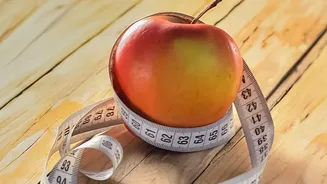
In the world of nutrition, the concept of a single 'superfood' that can cure or manage a complex condition is appealing but ultimately misleading. While some foods have incredible health benefits, no one item works in isolation. Blood sugar regulation
is a complex process involving your entire diet, lifestyle, and overall health. Relying on one fruit, no matter how beneficial, ignores the bigger picture. True metabolic health comes from a varied, balanced diet, not from focusing on a single ingredient. In fact, studies show that overall dietary patterns—rich in various plant foods like fruits, vegetables, whole grains, and legumes—are what truly make a difference in preventing and managing type 2 diabetes.
Fiber: Fruit’s Built-in Safety Net
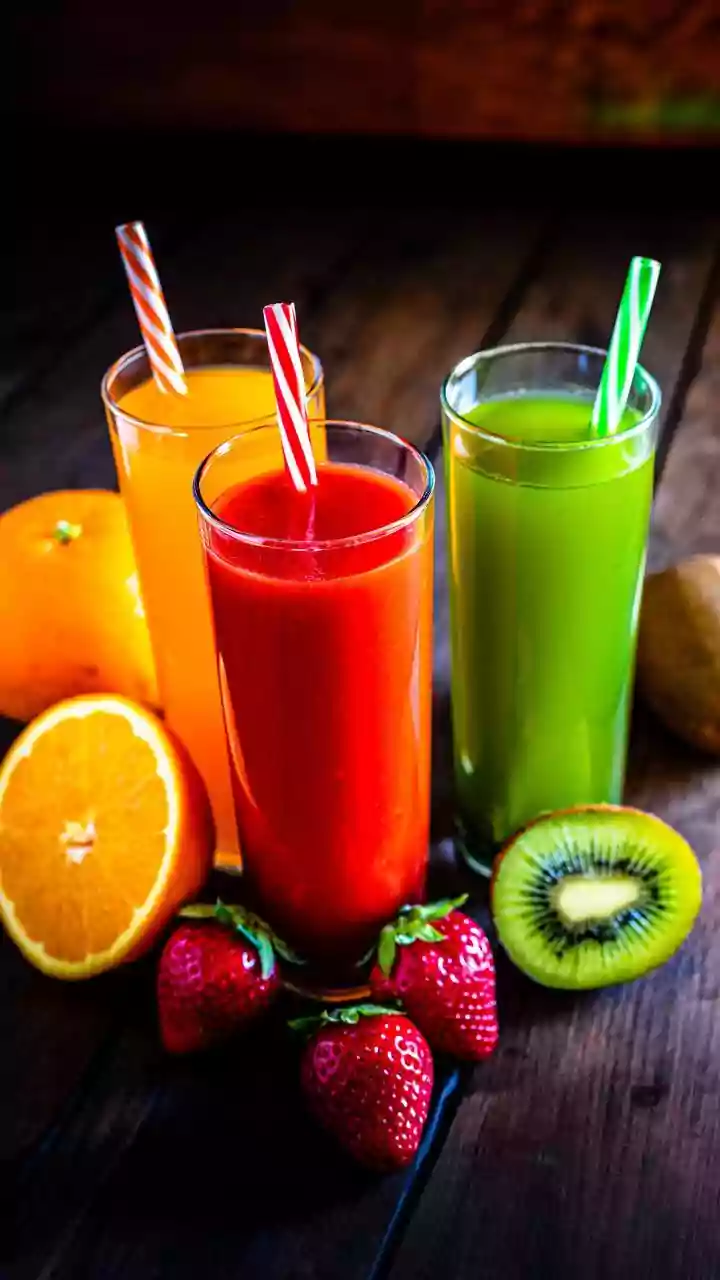
The main reason whole fruits are considered healthy, despite their sugar content, is fiber. Fruit contains natural sugars like fructose, but this sugar comes packaged with soluble and insoluble fiber. This fiber forms a gel-like substance in your stomach, which slows down digestion and the absorption of sugar into the bloodstream. This prevents the sharp, rapid blood sugar spikes that you would get from consuming free sugars, like those in soda or candy. Think of fiber as a built-in control system. It ensures a gradual release of energy, which is much easier for your body to manage. This is why fruit juices, which have the fiber removed, can cause much faster spikes in blood sugar.
Understanding the Glycemic Index
The Glycemic Index (GI) is a tool that measures how quickly a food containing carbohydrates raises blood sugar levels. Fruits with a low GI, like berries, apples, pears, and oranges, are excellent choices because they cause a slower, more gradual rise in blood sugar. Even fruits with a higher GI, such as watermelon or pineapple, can be part of a healthy diet, but portion control becomes more important. However, GI isn't the whole story. Glycemic Load (GL) is an even better measure, as it considers the portion size. For example, watermelon has a high GI but a low GL in a typical serving, meaning it has less impact on blood sugar than its GI score suggests.
The Power of Pairing
One of the most effective strategies for enjoying fruit while managing blood sugar is to pair it with other foods. Combining fruit with a source of protein or healthy fat can significantly slow down the absorption of sugar. This is because protein and fat take longer to digest than carbohydrates, leading to a more stable blood sugar response. Simple and effective pairings include having an apple with a handful of almonds, a banana with peanut butter, or a bowl of berries with plain Greek yogurt. This strategy allows you to enjoy the sweetness and nutrients of fruit without the rollercoaster of a sugar spike and crash.
Building a Blood-Sugar-Friendly Plate
Instead of searching for a single miracle fruit, focus on building a balanced plate. The American Diabetes Association recommends filling half your plate with non-starchy vegetables, a quarter with lean protein, and a quarter with high-fiber carbohydrates, which can include a serving of whole fruit. Many fruits native to or popular in India, such as jamun, guava (amrood), and papaya, are excellent low-GI choices. The key is moderation and variety. Aim for two to three servings of different fruits spread throughout the day rather than consuming a large quantity at once. This approach provides a wide range of vitamins, minerals, and antioxidants essential for overall health.