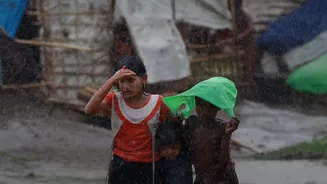






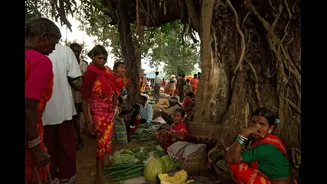
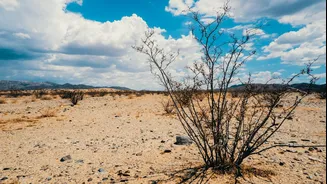

Climate change is often called a shared crisis, but its impacts are far from equal. A stark new warning from Oxfam reveals a widening 'disaster divide', where the world's poorest face repeated devastation with no safety net.
A Vicious Cycle of Injustice
According to Oxfam's 'Disaster
Divide' report, the core of the problem lies in a vicious cycle: the world's wealthiest are disproportionately responsible for the carbon emissions driving climate change, yet they are the best equipped to shield themselves from the consequences. The richest 0.1% of the global population—about 8 million people—produce more carbon pollution than the poorest 3.5 billion people combined. This extreme carbon inequality means that those who have contributed the least to the climate crisis are the ones bearing the brunt of its impacts, including more intense heatwaves, floods, and droughts. For impoverished communities, each climate shock strips away limited assets and livelihoods, making it harder to recover and increasing their vulnerability to the next disaster. This turns extreme weather events into what Oxfam calls 'inequality machines'.
Wealth as a Climate Shield
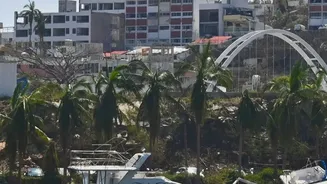
For the affluent, wealth acts as a powerful buffer against climate chaos. They can afford robust housing in safer locations, private insurance to cover losses, and even access to private services like personal firefighting crews during wildfires. If a region becomes unlivable, they have the resources to relocate. Their diversified investments and ability to absorb rising food and water costs provide a financial cushion that is unimaginable for most. In stark contrast, poorer households often depend on climate-sensitive livelihoods like small-scale farming or seasonal labour, which are easily wiped out by a single flood or drought. They are more likely to live in precarious housing in exposed areas with limited access to healthcare or social safety nets, making recovery a near-impossible task. Studies show that deaths from flooding, for example, are seven times higher in more unequal countries.
The Indian Context
This global warning has profound implications for India, a nation on the frontline of climate change. With hundreds of millions dependent on agriculture and living in coastal or flood-prone regions, the country is acutely vulnerable. Studies have already shown how regions like Bihar, Uttar Pradesh, and Madhya Pradesh face heightened risks due to a combination of extreme heat, poor infrastructure, and limited healthcare access. For landless rural labourers, extreme heat makes it impossible to work consistently, while droughts and erratic rainfall destroy on-farm income. In cities, the urban poor living in huts with metal roofs face deadly heatwaves and devastating floods that bring life to a standstill. Climate shocks are not just creating poverty, they are hardening it, making escape from deprivation more difficult and pushing those just above the poverty line back into it.
Profiting From Disaster
Adding another layer to the injustice, the report highlights how the super-rich not only cause the crisis but can also profit from it. Investors are increasingly putting money into the booming 'adaptation economy', selling recovery and rebuilding services back to a world grappling with the disasters they helped create. This includes investments in everything from flood barriers and firefighting equipment to private insurance and loans for rebuilding. This creates a perverse incentive to delay meaningful climate action, as the wealthy can profit from both the polluting industries and the subsequent cleanup. Oxfam calls this the 'destroy and rebuild index,' where corporations and their ultra-rich investors benefit at both ends of the crisis.
A Call for Climate Justice
Breaking this cycle requires a radical shift in policy. Oxfam and other advocates are calling for systemic change centered on climate justice. A key proposal is to make rich polluters pay for the damage they've caused. This includes implementing significant wealth and income taxes on the super rich, along with higher taxes on corporations in polluting industries like fossil fuels. The revenue generated—potentially trillions of dollars—could be used to fund a just transition to renewable energy and finance adaptation and recovery efforts in the world's most vulnerable communities. The call is not for charity, but for accountability, ensuring that climate finance is delivered as grants, not loans that would deepen the debt of already struggling nations.