






The Case for Walking: Simple, Free, and Effective
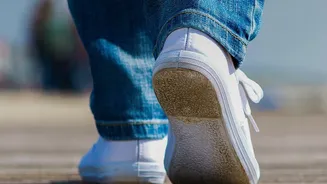
Walking is perhaps the most underrated form of exercise. Its biggest advantage is accessibility—it requires no special equipment beyond a comfortable pair of shoes, no gym membership, and no complex skills to learn. You can do it anywhere, anytime. Walking is a cardiovascular
activity, excellent for improving heart health, boosting circulation, and lowering blood pressure. For beginners, it’s a perfect way to build endurance without putting stress on the joints, making it ideal for those with joint pain or recovering from an injury. It also aids in weight management by burning calories and can significantly improve your mood and reduce stress, especially when done outdoors.
The Power of Pilates: Core Strength and Mindful Control
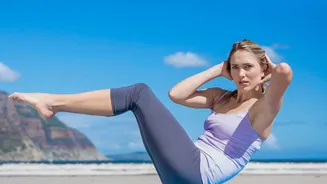
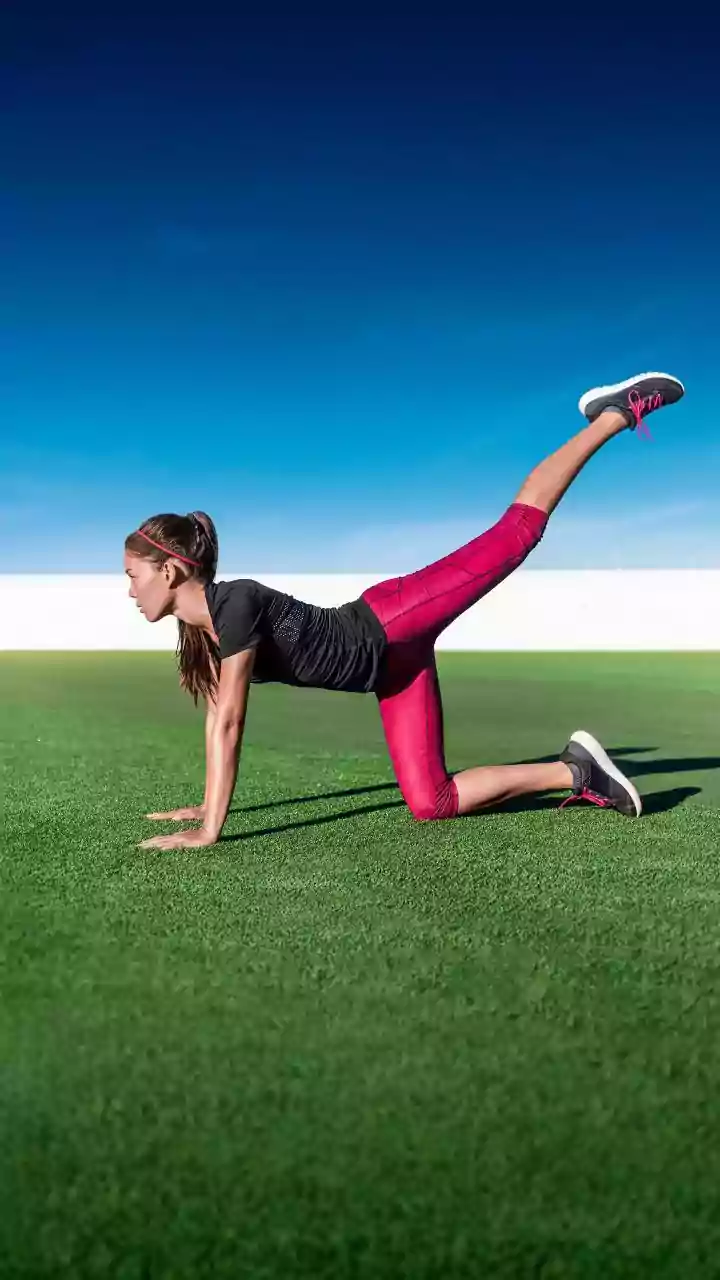
Pilates, developed by Joseph Pilates, is a method of exercise that focuses on core strength, flexibility, posture, and body awareness. While it may look gentle, it is a surprisingly challenging workout that strengthens muscles through slow, controlled movements. Pilates is exceptional for building a strong core—the deep muscles of your abdomen, back, and pelvic floor. This leads to better posture, improved balance, and can help alleviate issues like chronic back pain. It’s a low-impact workout that is easy on the joints, and its adaptability makes it suitable for all fitness levels. Many people find that the focus on breath and precise movement creates a strong mind-body connection, reducing stress in a different way than cardio.
Comparison: Cost and Convenience
When it comes to ease of entry, walking is the undisputed winner. It is completely free and can be integrated into your daily life with minimal planning—a walk during your lunch break, an evening stroll, or parking farther from the store. Pilates typically requires more investment. Mat Pilates can be done at home with online classes, but beginners often benefit from instructor guidance to learn proper form and prevent injury. Studio classes, especially those using specialised equipment like reformers, involve costs for classes or memberships.
Comparison: Strength vs. Cardio
Walking and Pilates excel in different areas of fitness. Walking is primarily a cardiovascular exercise. A brisk walk gets your heart rate up, improving endurance and heart health. While it strengthens the lower body, it offers minimal engagement for the upper body and core. Pilates, on the other hand, is a form of strength training. It provides a full-body workout that tones muscles, with a particular emphasis on creating a powerful and stable core. It is one of the best exercises for improving posture and correcting muscular imbalances. While some fast-paced Pilates flows can offer a light cardio benefit, it doesn't replace the sustained aerobic activity of walking.
Comparison: Weight Management Goals
If weight loss is a primary goal, the answer isn't straightforward. Walking, as a cardio exercise, generally burns more calories during the activity itself. Consistent, brisk walking can create the calorie deficit needed for weight loss. Pilates contributes differently; it builds lean muscle mass, which in turn boosts your metabolism, meaning you burn more calories even at rest. Many experts agree that for the best weight management results, a combination of both is ideal: walking for immediate calorie burn and Pilates for building a stronger, more metabolic engine.