




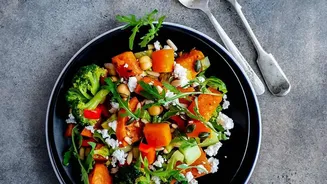

The Diwali lights have dimmed, but the sluggishness from festive indulgence can linger. The urge to 'detox' with extreme diets or intense workouts is strong, but cardiologists suggest a kinder, more effective approach. Here's how to get back on track.
Why Punishment Doesn't Work
After days of rich foods, late nights, and disrupted routines, your body is already under stress. The digestive system has been working overtime, and blood sugar levels may have been on a rollercoaster. Jumping into a punishing workout regimen can do more harm than good. Cardiologists warn that this 'all-or-nothing' approach can place undue strain on the heart, increase inflammation, and raise the risk of injury. The goal is to support your body's recovery, not shock it into submission. A gentle reset helps restore balance without the damaging effects of guilt-driven exercise.
Embrace Gentle, Everyday Movement
Instead of high-intensity training, experts recommend incorporating light to moderate movement into your day. A simple 10 to 15-minute walk after meals is incredibly effective. This practice aids digestion, helps regulate blood sugar by allowing muscles to use the glucose from your food, and improves circulation. Studies show that multiple short walks can be more beneficial for blood sugar control than one long, intense session. Other gentle activities count, too. Think about taking the stairs, doing simple stretches while watching TV, or playing with kids. The key is consistency, not intensity. This approach makes physical activity a sustainable habit rather than a dreaded chore.
Smart Eating: It's About Balance, Not Deprivation
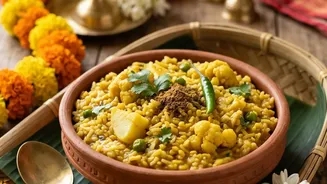
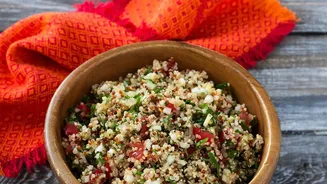
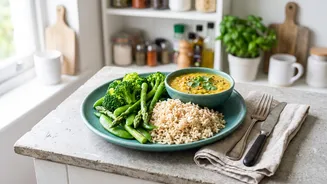
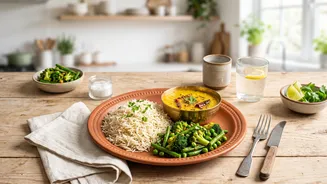
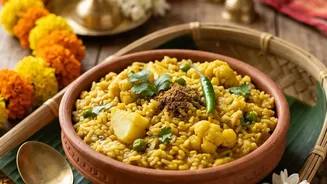
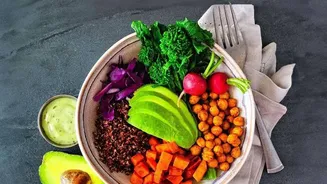
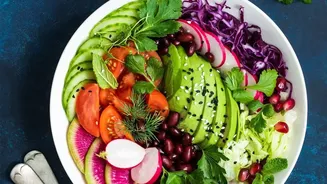
Forget crash diets and unverified 'detox' drinks. Your liver and kidneys are your body's natural detoxifiers. The best way to support them is by returning to balanced, nourishing meals. Cardiologists advise against skipping meals, which can lead to overeating later. Instead, focus on reintroducing simple, wholesome foods. Start your day with a glass of water to rehydrate. Incorporate fibre-rich foods like seasonal vegetables, fruits, and whole grains (like oats and brown rice) into your meals. Lean proteins such as dal, paneer, or yoghurt help you feel full and stabilize energy. It's also wise to limit processed snacks, sugary sweets, and fried leftovers for a few days to give your system a break.
The Heart-Health Benefits of Walking
Walking, especially after a meal, has direct benefits for your heart. Regular, moderate physical activity helps regulate blood pressure and can lower 'bad' LDL cholesterol over time. Some studies suggest post-meal walks can specifically help lower triglycerides, a type of fat in the blood that can increase heart disease risk when elevated. By making a short walk a regular part of your post meal routine, you are not just recovering from the festival; you are building a powerful habit for long term cardiovascular health. It is a simple, accessible activity that pays significant dividends without requiring a gym membership or special equipment.
Prioritise Rest and Hydration
The festive season often means less sleep and more dehydrating beverages like tea, coffee, or alcohol. Getting 7–8 hours of quality sleep is crucial for hormonal balance, stress reduction, and physical recovery. Make a conscious effort to get back to a regular sleep schedule. Alongside sleep, proper hydration is key. Water helps your kidneys flush out waste, aids digestion, and can reduce the bloating and fatigue that often follow festive eating. Keep a water bottle handy and sip throughout the day, choosing water over sugary drinks. Think of sleep and water as essential tools in your recovery toolkit.