

Meet Skyfall: A New Generation of Martian Scout
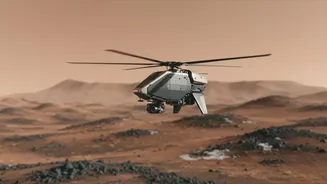
Following the groundbreaking success of the Ingenuity helicopter, which proved powered flight in the thin Martian atmosphere is achievable, NASA is conceptualizing what comes next. The answer may be Skyfall, a proposed mission that would send a trio of advanced
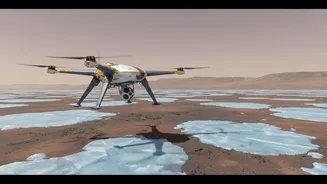
helicopters to the Red Planet. Unlike the small, four-pound Ingenuity, which was primarily a technology demonstration, the Skyfall rotorcraft would be dedicated scientific scouts. Each helicopter would be equipped with a suite of instruments designed to gather data independently, without needing a nearby rover for communications. The concept envisions these aerial explorers mapping terrain, analyzing surface materials, and, most importantly, peering beneath the ground.
The All-Important Hunt for Buried Ice
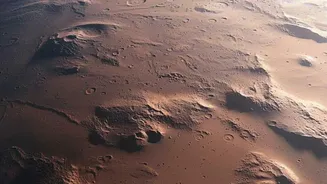
Finding water on Mars is a top priority for scientists and mission planners. While vast quantities of water ice are known to exist at the planet's poles, these regions are extremely cold and inhospitable for robotic or human missions. The real prize lies in the mid-latitudes, where temperatures are more moderate, but the ice is believed to be buried under a layer of rock and dust. This subsurface ice is critical for two main reasons. Scientifically, it holds a frozen record of Mars's past climate and could preserve signs of ancient microbial life. For future human exploration, this ice represents a vital local resource. Astronauts could potentially process it to create drinking water, breathable oxygen, and even rocket fuel, which would dramatically reduce the cost and complexity of a mission to Mars.
How Skyfall's Mapping Would Work
The Skyfall concept's primary role is to map this hidden ice with unprecedented detail. Each helicopter would carry a lightweight, ground-penetrating radar system designed to probe the subsurface. An innovative feature is the radar's antenna, a flexible, fabric-like 'cape' that hangs below the helicopter. This design allows it to get a clear view of the ground while being durable enough to bend upon landing and spring back into shape for the next flight. As the helicopter flies low and slow, the radar sends signals into the ground that can differentiate between layers of dry soil and buried ice, mapping its depth and extent. This aerial approach is a game-changer; orbiters can't resolve the shallow subsurface with enough detail, and rovers are too slow and can't access the rugged terrain where much of this ice is thought to be located.
More Than Just an Ice Mapper
While finding ice is the headline task, the Skyfall helicopters would be multi-talented scientific platforms. Beyond the ground-penetrating radar, the proposed payload includes high-resolution color cameras to create detailed 3D terrain maps, near-infrared imagers to analyze the composition of surface materials, and a suite of weather sensors. This data would not only support the search for water but also provide invaluable information for planning future missions. By surveying potential landing zones from the air, the helicopters could identify safe, resource-rich locations for the first human outposts on Mars, mitigating risks for astronauts before they even leave Earth.
From Concept to Martian Skies
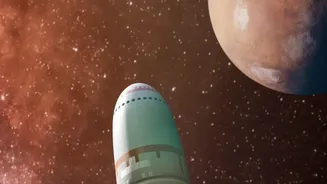
It's important to remember that Skyfall is currently a mission concept, not a formally approved and funded project. NASA and its partners, including AeroVironment, which helped build Ingenuity, are developing the necessary technologies and scientific case for the mission. Recent tests on the flexible radar antenna at the Jet Propulsion Laboratory mark a significant step forward in proving the concept's viability. The proposed mission, with a potential launch in the late 2020s, features an innovative deployment strategy where the helicopters would separate from their entry vehicle mid-air and fly to their own individual landing spots. If selected, Skyfall would represent a bold leap from Ingenuity's five demonstration flights to a full-fledged fleet of autonomous, flying scientists on another world.