






The Cloud's Concrete Problem
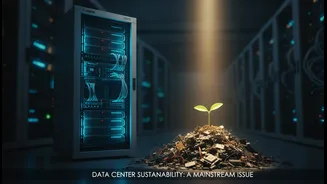
Data centers are the invisible engines of our digital world. They house the servers that power everything from cloud computing and streaming services to the artificial intelligence boom. For years, they were an obscure part of the digital landscape, but
their rapid growth has made them impossible to ignore. The latest, most powerful "hyperscale" facilities, built to handle the immense demands of AI, are particularly resource-intensive. This has sparked a debate in communities across the country, and New York has now become the epicenter. The core issue is the tension between our ever-growing demand for digital services and the very real physical footprint—in terms of energy, water, and land—that these services require.
The Case for Hitting Pause
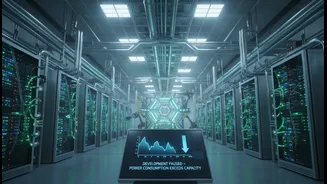
The push for a moratorium is rooted in serious environmental and economic concerns. According to state officials, the demand from proposed data centers is immense, with nearly 12 gigawatts of load requests in the queue. Supporters of the pause argue this unprecedented energy consumption could strain the state's power grid, threaten its climate goals, and lead to higher utility bills for everyone. Governor Kathy Hochul cited these exact risks when she announced the executive order. Beyond electricity, these facilities are notoriously thirsty, with large centers consuming millions of gallons of water daily for cooling. This has led advocacy groups and residents to question whether the benefits of hosting these tech giants outweigh the costs to local resources and the environment.
The Economic Counterargument
On the other side of the debate are industry groups and economic proponents who warn that New York's pause is a costly mistake. The Data Center Coalition, an industry trade group, argues the move will simply divert billions in investment, along with high-paying construction jobs and significant tax revenue, to competing states. Proponents point to places like Pennsylvania, where landowners have received huge financial windfalls from selling property to data center developers. Critics also frame the moratorium as a blow to America's technological competitiveness, suggesting that slowing down the development of AI infrastructure could hand an advantage to global rivals like China. The argument is that the demand for AI doesn't vanish simply because one state stops building; it just gets met elsewhere, potentially on energy grids that are less clean than New York's.
What the Moratorium Actually Does
Governor Hochul's executive order, signed on July 14, 2026, isn't a blanket ban. It specifically enacts a temporary, one-year halt on state environmental permits for new hyperscale data centers—defined as those consuming 50 megawatts of power or more. Existing data centers and those already under construction are not affected, nor are smaller facilities or those used for specific educational or medical research purposes. During this year-long pause, the state will conduct a comprehensive environmental impact study. The goal is to create a robust regulatory framework to manage how future data centers are developed, ensuring they don't unfairly burden taxpayers or the environment. Once those standards are in place, the moratorium can be lifted.