



A Modern Solution for an Ancient City
For centuries, the heart of Varanasi has been its labyrinth of narrow streets, bustling with pilgrims, traders, and residents. This timeless charm, however, comes with a modern-day challenge: severe traffic congestion. The journey from the main Varanasi Cantonment
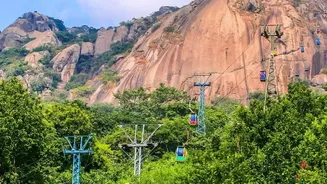
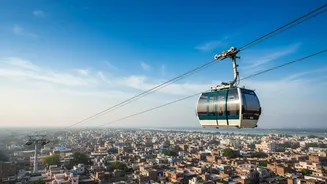
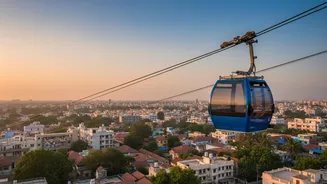
railway station to the sacred Godowlia Chowk—a gateway to the Kashi Vishwanath Temple and Dashashwamedh Ghat—can take up to an hour by road. To solve this, an innovative solution was chosen over a conventional metro system, which was deemed unsuitable due to soil conditions and the risk of large-scale demolition in the heritage city. The answer is the Kashi Ropeway, a 3.75-kilometre aerial cable car system designed to carry commuters above the gridlock, marking a significant milestone as India's first ropeway integrated into a city's public transport network.
The Final Stretch to Launch
The massive project is now in its final phase. Construction of the stations and towers is largely complete, and testing is underway. After successful trial runs that began in late 2025, officials are now focused on finalising the entire corridor. The ropeway is expected to be fully operational by late 2026. This final stage involves not just physical construction but also extensive safety checks and system integration to ensure the service is ready for public use. The project is being implemented by the National Highways Logistics Management Limited (NHLML) with technology from Swiss specialists Bartholet Maschinenbau AG, bringing global expertise to this pioneering Indian venture.
The Journey and Its Route
The ropeway will connect five stations: Varanasi Cantonment, Kashi Vidyapeeth, Rath Yatra, Girja Ghar (a technical station), and finally, Godowlia Chowk. This route strategically links the city’s primary entry point for train travelers directly with its spiritual and commercial core. The system will operate with approximately 150 gondola cabins, each with a capacity of 10 passengers. These cabins will glide along at a height of up to 55 metres, drastically cutting the 45-60 minute road journey to just 16 minutes. With a high frequency of service, the system is designed to transport up to 6,000 passengers per hour in both directions, handling a potential daily ridership of nearly 96,000 people.
From Construction to Commuters
With the physical infrastructure nearly in place, the project's focus has pivoted to operational readiness. This is a critical and detailed phase that includes setting up sophisticated ticketing systems, establishing maintenance schedules, and intensive training for staff on everything from daily operations to emergency response protocols. The fare structure has already been finalised by the Uttar Pradesh government. A full journey from the Cantonment station to Godowlia will cost ₹50. To encourage regular use, a smart pass will offer a discounted fare of ₹40 for the same route. There will also be a cloakroom facility at the Cantonment station for passengers, and options to book a premium gondola for groups have also been announced.
More Than Just a Ride
The Kashi Ropeway is poised to do more than just transport people; it aims to transform the urban experience in Varanasi. For the millions of pilgrims and tourists who visit annually, it offers a hassle-free and comfortable way to reach the city's most revered sites. For residents, it provides a reliable and fast commuting option. By taking vehicles off the narrow roads, the ropeway is expected to significantly reduce traffic congestion and lower air and noise pollution. It represents a form of sustainable development that respects the city's ancient character while embracing modern needs, becoming a key part of the massive infrastructure upgrade Varanasi has seen in recent years.