






A Feverish New Milestone
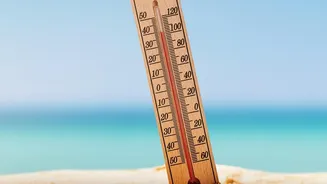
On August 22, 2026, the daily global average sea surface temperature reached 21.1 degrees Celsius. This surpassed the previous record set just months earlier in March 2024. What makes this new record particularly alarming for scientists is its timing.
Typically, oceans are warmest in March, following summer in the Southern Hemisphere, which has more ocean surface. Setting a new global peak in August signals an extraordinary accumulation of heat in the climate system. This is not a minor fluctuation; experts note that even small fractional increases in average temperature represent a colossal amount of extra heat energy stored in the ocean's vast expanse. This heat is being driven by long-term, human-driven warming, which is now being amplified by a strengthening El Niño event in the Pacific.
What 'Ocean Stress' Actually Means
The "growing stress" that Copernicus warns about is a cascade of dangerous consequences. Warmer water holds less oxygen, creating vast, suffocating 'dead zones' where marine life cannot survive. It also fuels marine heatwaves—prolonged periods of extreme warmth—which have more than tripled in frequency since the 1990s. These underwater heatwaves are devastating for ecosystems like coral reefs, causing them to expel the algae they depend on for food and turn white in a process known as coral bleaching. Since roughly a quarter of all marine life depends on coral reefs, their death has a catastrophic ripple effect through the entire food web, threatening global fish stocks. This stress also includes thermal expansion—the simple physical principle that warmer water takes up more space—which contributes directly to rising sea levels and increases coastal flood risk.
The Impact on India's Monsoon and Cyclones
For India, these overheated oceans are not a distant problem. The Arabian Sea and the Bay of Bengal are becoming hotspots for marine heatwaves, directly influencing India's weather patterns. Warmer seas provide more fuel for tropical storms, increasing the likelihood of cyclones rapidly intensifying as they approach India's coasts. Furthermore, the heat is disrupting the delicate mechanics of the Indian monsoon. Unusually warm patches in the western Indian Ocean can cause monsoon winds to dump their moisture over the sea before they even reach the mainland. This can lead to a dangerous paradox: severe rainfall and flooding in some coastal areas, while vast inland regions face drought-like conditions. Scientists are growing concerned that these marine heatwaves could lead to longer and more frequent 'breaks' in the monsoon, jeopardizing the rain-fed agriculture that millions depend on.
A Threat to Coastal Livelihoods
The stress on marine ecosystems translates directly into economic hardship for India's coastal communities. Fisheries and aquaculture, which provide income for millions, are at serious risk as rising temperatures and deoxygenation alter the distribution of fish stocks. Species are forced to migrate in search of cooler, more hospitable waters, often moving beyond the reach of local fishing fleets. The degradation of natural coastal defences like coral reefs and mangrove forests, which are damaged by the heat, also leaves communities more vulnerable to storm surges and coastal erosion. The economic losses tied to ocean warming are projected to be significant, impacting everything from food security to tourism.
An Overburdened Climate Buffer
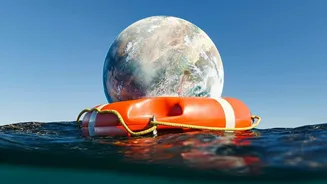
For decades, the world's oceans have acted as a critical buffer against climate change, absorbing over 90% of the excess heat trapped by greenhouse gas emissions. This service has shielded humanity from even more rapid atmospheric warming, but it has come at a tremendous cost to the ocean itself. Scientists warn that as the ocean continues to heat up, its ability to absorb carbon dioxide from the atmosphere is reduced. This creates a dangerous feedback loop: a warmer ocean is less effective at slowing climate change, which in turn leads to an even warmer ocean. Experts describe this as the ocean's buffering service continuing, but at an ever-increasing cost to both ecosystems and society.