






The Shifting Cost Equation
The most compelling argument for switching to electric is the dramatic reduction in running costs. With petrol prices remaining stubbornly high, the cost of running a conventional scooter can be anywhere from ₹2 to ₹3 per kilometre. In stark contrast,
charging an electric scooter at home costs a fraction of that, typically between ₹0.25 and ₹0.50 per kilometre. This translates to potential monthly savings of thousands of rupees for a daily commuter. While the initial purchase price of an e-scooter can be higher, government incentives under schemes like PM E-DRIVE, which succeeded the FAME-II program, help reduce the upfront cost. When you factor in significantly lower maintenance needs—no engine oil changes, spark plugs, or complex engine servicing—the total cost of ownership over a few years often turns out to be lower for an electric model. Even with a potential battery replacement after four to six years, studies show a significant overall saving compared to a petrol scooter over a five-year period.
Designed for the Urban Maze
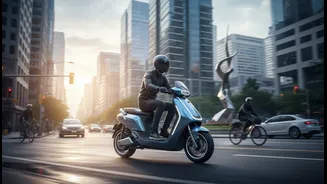
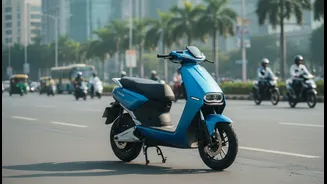
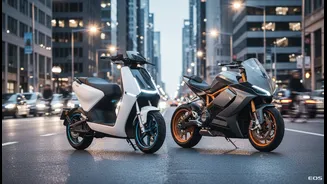
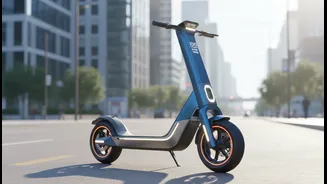
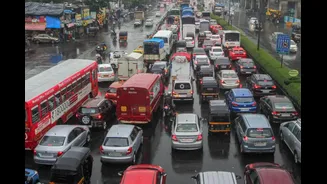
Beyond the economics, e-two-wheelers are proving to be perfectly suited for the rhythms of city life. They are generally lightweight, quiet, and exceptionally easy to manoeuvre through dense, stop-and-go traffic. The instant torque from the electric motor provides quick acceleration from a standstill, which is a significant advantage at traffic lights. For the majority of urban journeys—office commutes, running errands, or last-mile connectivity—the typical range of 80-120 km on a single charge is more than sufficient. The riding experience is also smoother and vibration-free, reducing rider fatigue and noise pollution in congested neighbourhoods. As sales figures show, with the electric two-wheeler market share crossing 10% for the first time in June 2026, consumers are increasingly voting for this convenience.
The Charging Conundrum
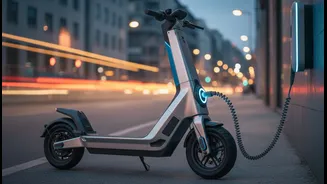
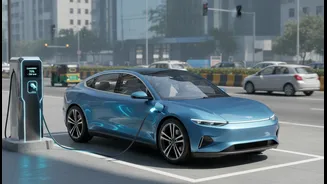
Despite the clear benefits, the path to electric adoption is not without its bumps. The primary challenge remains charging infrastructure. While home charging is a convenient option for those with dedicated parking, it poses a significant problem for the large number of Indians living in apartments or dense urban areas without such access. A recent study noted that nearly 45% of Indian households may require electrical upgrades to safely support EV charging. This, coupled with a still-developing network of public charging stations, contributes to 'range anxiety'—the fear of running out of power before reaching a destination. The time taken to charge a battery, which is significantly longer than refuelling a petrol vehicle, is another hurdle for many potential buyers.
A Glimpse into the Future
The industry and government are actively working to solve these challenges. One of the most promising solutions is battery swapping. Policies are being framed to promote a 'Battery-as-a-Service' (BaaS) model, where a rider can exchange a depleted battery for a fully charged one at a swapping station in minutes. This model not only eliminates charging time but also reduces the upfront cost of the vehicle, as the battery can be leased instead of owned. Furthermore, advancements in battery technology are continuously improving range and lifespan, while the network of public chargers is slowly expanding. With the government's continued push and growing consumer acceptance, the momentum is undeniably electric. The sales data from June 2026, showing a nearly 75% year-on-year growth, underscores this rapid shift.