








Rethinking the Fitness Formula
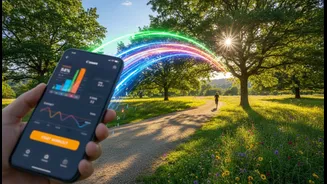
In our quest for better health, we often get fixated on metrics. We track our daily step count, time our runs down to the second, and log every minute spent in the gym. While this data can be motivating, it paints an incomplete picture. Focusing solely
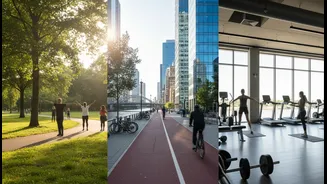
on the quantity of our exercise can lead to boredom, burnout, and a narrow view of what it means to be active. The real shift happens when we start considering the quality and context of our movement. By asking 'where' we are active, we open the door to a more holistic, sustainable, and enjoyable approach to fitness. This isn't about ditching the gym, but rather expanding our definition of a workout space to include our entire world.
The Power of Incidental Movement
Much of our day is spent in environments that encourage stillness, from office chairs to comfortable sofas. The concept of incidental activity aims to counteract this by weaving small bursts of movement into our daily routines. This isn't structured exercise but rather the accumulated movements of daily life, such as taking the stairs instead of the elevator, walking to a colleague's desk instead of sending an email, or carrying groceries home. While these small actions might seem insignificant on their own, they add up. Research suggests that consistently building these activities into your day can significantly improve overall physical fitness and energy levels. The key is to see your home, workplace, and commute not as passive backdrops, but as active environments full of opportunities to move.
Nature as the Ultimate Gym
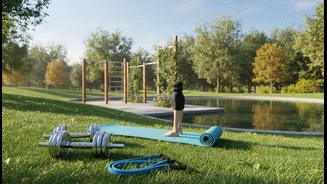
Moving your workout outdoors provides benefits that a climate-controlled gym simply can't match. Studies have shown that exercising in natural environments, often called 'green exercise', is associated with increased energy and revitalization, as well as decreased tension, anger, and depression when compared to indoor workouts. Exposure to sunlight helps boost your mood and vitamin D levels. The varied terrain of a park or trail challenges your body in different ways than a flat treadmill, helping to improve balance, build strength, and prevent the repetitive strain injuries that can come from monotonous routines. Whether it's a hike, a park yoga class, or simply a brisk walk in a green space, taking your fitness outside can be a powerful tool for both physical and mental well-being.
Designing Your Movement-Rich Life
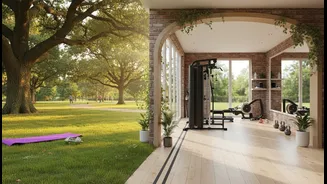
The environment in which we live plays a significant role in developing healthy habits. A 'movement-rich' life is one where being active is the easy, default choice. This starts with conscious design. Look at your own spaces. Could you place a yoga mat in a corner of your living room to encourage stretching? Could you keep a bicycle near the door for short trips? In the workplace, could you advocate for standing desks or walking meetings? Communities with accessible parks, safe walking paths, and bike lanes tend to have more physically active residents. While we can't all single-handedly redesign our cities, we can start by making small changes to our personal environments and advocating for larger ones in our communities. The goal is to create surroundings that naturally nudge you toward a more active lifestyle, making fitness less of a chore and more of an integrated part of your day.