





The Strain of Popularity
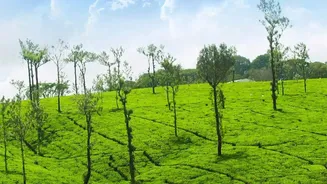
For years, destinations like the hill station of Munnar and the backwaters of Alleppey have been the poster children for Kerala's tourism boom. However, this popularity has come at a cost. Overtourism has led to strained infrastructure, environmental
concerns, and a sense that the very beauty drawing visitors is under threat. Unregulated growth, particularly in the houseboat sector, has raised issues of pollution and overcrowding, diminishing the authentic experience for travellers and impacting the lives of local residents. The challenge is clear: how to share the economic benefits of tourism more widely without letting iconic locations become victims of their own fame.
A New Blueprint: The Responsible Tourism Mission
In response, Kerala has doubled down on its Responsible Tourism (RT) Mission, a comprehensive framework first launched in 2017. The mission operates on a 'triple-bottom-line' principle, balancing economic, social, and environmental responsibilities. The core idea is to transform tourism into a tool for sustainable development at the village level. This isn't just about suggesting eco-friendly practices; it's a systemic overhaul designed to ensure that the money spent by tourists directly benefits farmers, artisans, and women-led enterprises, creating a more equitable and resilient industry. The state’s vision is to rebrand itself globally as a leader in sustainable, community-based tourism.
Beyond Sightseeing: Experiential Travel
A key part of this new strategy is a move away from conventional sightseeing towards immersive experiences. The state is developing 'life experience trails' that allow visitors to engage with village life, local cuisine, traditional livelihoods, and cultural heritage. Instead of just viewing landmarks, travellers can participate in the daily rhythms of a community. This includes initiatives like the STREET project, an acronym for Sustainable, Tangible, Responsible, Experiential, Ethnic, Tourism Hubs. This award-winning project develops theme-based streets—like a 'Green Street' or 'Art Street'—in villages, allowing tourists to explore specific interests like agriculture or local crafts in depth, managed by the local communities themselves.
Spreading the Love: Developing New Destinations
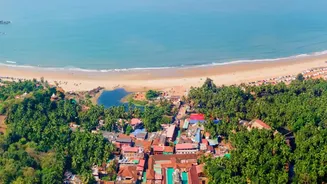
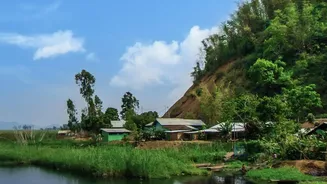
To alleviate pressure on overcrowded hotspots, the Responsible Tourism Mission is actively identifying and developing new destinations across the state. The STREET project, for example, is being implemented in select locations across seven districts, from Kadalundi in Kozhikode to Kanthallur in Idukki. This strategy of decentralisation aims to spread tourist footfall across a wider area, bringing economic opportunities to rural hinterlands that were previously off the main tourist trail. By curating and promoting these new areas, the state government hopes to offer fresh, authentic experiences while ensuring that tourism growth is more balanced and sustainable across all regions of Kerala. Recently, efforts have also been made to revive and globally promote the Muziris Heritage Tourism Project to attract visitors to the historic site.
The Road Ahead
Kerala's ambitious model is not without challenges. It requires significant coordination between government departments, local self-governments, and private tour operators. Ensuring quality control across a decentralized network of homestays, guides, and experiences is a continuous task. However, the commitment is strong, backed by a clear vision to make Kerala's destinations better places for people to live in, and consequently, better places for people to visit. By empowering its communities and diversifying its offerings, the state is writing a new chapter for tourism—one where growth and preservation go hand in hand, offering a potential blueprint for other destinations grappling with similar issues worldwide.