





Decoding the Dates: 'Best Before' vs. 'Use By'
The most confusing part of a food label can be the dates. In India, the Food Safety and Standards Authority of India (FSSAI) has specific definitions for them. The 'Best Before' date is about quality, not safety. It signifies the period during which the food will
retain its best flavour, texture, and nutritional value. Food is often still safe to consume after this date, though its quality might have diminished. Think of items like biscuits, spices, and snacks. The 'Use By' or 'Expiry' date, however, is a strict safety deadline. It is used for highly perishable items like milk, bread, and ready-to-eat meals. Consuming food past its 'Use By' date is risky, even if it looks and smells normal, as harmful bacteria could have grown. FSSAI mandates that food cannot be sold after its 'Use By' date.
The Other Important Dates: Manufacturing and Packaging
Besides the consumption deadlines, you'll also see a 'Date of Manufacture' (MFG) or 'Date of Packaging'. The date of manufacture is the day the product was made, while the packaging date is when it was sealed into its container. According to FSSAI regulations, both the date of manufacture or packaging and the 'Expiry/Use By' date must be clearly declared on the label. This helps you understand the product's entire timeline, from creation to its final safe consumption day. For products with a shelf life of more than three months, the label might only show the month and year.
Smart Storage Starts in the Store
Your food safety practices should begin before you even get home. When shopping, be mindful of where products are stored. Chilled and frozen items should be picked up last, just before you head to the billing counter, to minimise their time out of the cold. Check packaging for any damage; dusty cans or torn labels might indicate old stock, while dented cans can harbour bacteria. Never buy packaged goods with broken seals, leaks, or puffed-up containers, as these are signs of spoilage. Also, ensure your refrigerator is set to the correct temperature, below 4°C, to safely store perishable items as soon as you get home.
Storing Dry Goods for Maximum Shelf Life
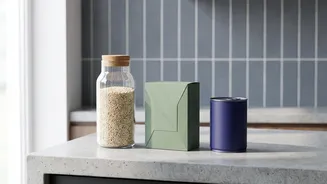
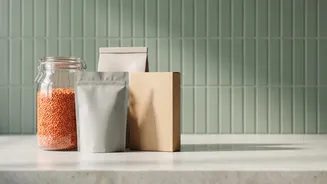
For pantry staples like atta, rice, dals, and spices, the main enemies are heat, light, moisture, and pests. While many of these products come in plastic bags, it's a mistake to leave them in their original packaging. These bags are often not airtight and can be compromised. To extend their life, transfer dry goods to airtight containers made of glass or sturdy plastic. Store these containers in a cool, dark, and dry place, away from the stove or any heat-producing appliances. Proper storage can keep these staples fresh and usable long past what you might expect, often making the storage conditions more important than the 'Best Before' date itself.
Refrigerator Rules for Packaged Items
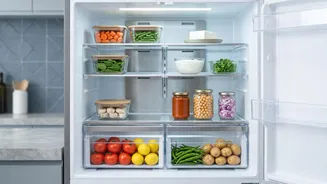
Once opened, many packaged foods need to be refrigerated. This applies to items like jams, sauces, juices, and pickles. Always check the label for 'refrigerate after opening' instructions. Once you open a package, the original 'Best Before' or 'Use By' date may no longer be valid. Use airtight containers or securely reseal the original packaging to prevent contamination and maintain freshness. It's also a good practice to follow the 'First-In, First-Out' (FIFO) rule: place newer items at the back of the fridge and older ones at the front, so you use them up in the correct order and reduce waste.