




Decoding the Numbers on Your Packet
Those codes, often seen as INS numbers in India, are part of the International Numbering System for food additives. This system, defined by a joint UN body (Codex Alimentarius), gives a unique number to each approved additive, making labels consistent
globally. An additive's presence simply means a substance has been added for a specific technical reason. These functions are crucial in modern food production. They include preservatives that prevent spoilage, emulsifiers that stop fats from separating, stabilisers that provide consistent texture, and colours that make food visually appealing. In India, the Food Safety and Standards Authority of India (FSSAI) regulates which additives can be used and in what quantities, ensuring they are safe for consumption within these limits. Seeing an INS number isn't an automatic red flag; it's a standardised way of listing an ingredient that serves a purpose.
The Problem with Focusing on One Number
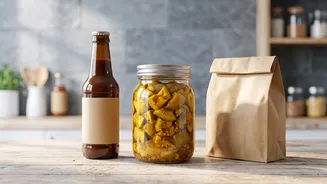
Zeroing in on a single additive is like judging a book by one word instead of reading the whole story. The context is everything. An approved preservative in a jar of pickles is very different from a cocktail of emulsifiers, flavour enhancers, and stabilisers in a packet of instant noodles. For example, citric acid (INS 330) is a common acidity regulator found in countless products, while others like INS 635 are powerful flavour enhancers often used to make snacks hyper-palatable. Demonising all additives equally is a mistake. Many are derived from natural sources, like vitamin C (ascorbic acid) used as an antioxidant. The real question isn't whether a single approved additive is present, but what kind of food it's in. A long list of additives often signals a product that is heavily processed, and that's where the bigger picture lies.
The Power of the Full Ingredient List
The most important skill for a savvy shopper is learning to read the entire ingredient list. By law, ingredients are listed in descending order of weight. This is incredibly revealing. The first three ingredients usually make up the bulk of what you're eating. If a packet of 'oat' biscuits lists refined flour (maida), sugar, and palm oil as its first three ingredients, you’re essentially eating a maida biscuit with some oats sprinkled in. A short list of recognisable ingredients you might find in your own kitchen is almost always a better sign than a long list of chemicals. This simple rule helps you see past the marketing claims on the front of the box, like 'made with real fruit', and understand the true nature of the product.
What to Look For (And What to Be Wary Of)
When you scan an ingredient list, here's a simple framework. First, look for whole foods at the top. Words like 'whole wheat', 'oats', 'milk', or 'almonds' are a good sign. Be cautious if the list starts with refined products like maida or sugar. Second, watch out for multiple sources of sugar hiding under different names. 'Invert sugar', 'liquid glucose', 'fructose', 'maltodextrin', and 'corn syrup' are all forms of added sugar. A long list of such names means the product is likely very high in sugar, even if 'sugar' itself isn't the first ingredient. Finally, pay attention to the types of fats. Seeing terms like 'partially hydrogenated oil' is a red flag for unhealthy trans fats. A long list of unfamiliar ingredients like protein isolates, modified starches, and various gums often points to an ultra-processed food.
Seeing the Bigger Picture: Ultra-Processed Foods
Ultimately, the ingredient list is your best tool for identifying ultra-processed foods (UPFs). These are not just processed, but industrial formulations made from refined substances and cosmetic additives. They often bear little resemblance to their original ingredients and are designed to be convenient and hyper-palatable. Think packaged snacks, sugary cereals, instant soups, and ready-to-eat meals. While minimally processed foods like canned beans or frozen vegetables can be part of a healthy diet, diets high in UPFs are linked to negative health outcomes. Reading the label helps you distinguish between a simple processed food (like bread made from flour, water, salt, and yeast) and an ultra-processed one (bread with added emulsifiers, dough conditioners, and preservatives).