



The Science of Heat and Ginger
The effectiveness of a ginger compress lies in a powerful combination: thermotherapy (heat) and the natural compounds found in ginger. Heat therapy works by dilating blood vessels, which increases blood flow to the affected area. This improved circulation
delivers more oxygen and nutrients to tissues, helping to relax tight muscles, reduce stiffness, and speed up the removal of metabolic byproducts that can cause soreness. Ginger itself is rich in bioactive compounds like gingerols and shogaols, which have been studied for their anti-inflammatory properties. These compounds are believed to inhibit certain inflammatory pathways in the body, potentially reducing pain in a way similar to some over-the-counter pain relievers. When applied topically via a warm compress, these properties may help soothe muscle discomfort and reduce underlying inflammation.
A Tradition of Natural Relief
The use of ginger as a healing agent is not new. It has been a cornerstone of traditional medicine for thousands of years, particularly in Traditional Chinese Medicine (TCM) and Ayurveda. In these practices, ginger is known for its warming properties, which are thought to dispel cold, improve circulation, and dissolve stagnation or blockages in the body's energy flow. A hot ginger compress was traditionally applied to areas of chronic pain, such as arthritic joints, stiff necks, and sore lower backs, to stimulate blood flow and provide relief. This time-tested remedy connects a modern desire for natural wellness with centuries of practical application in cultures around the world.
How to Make Your Own Ginger Compress
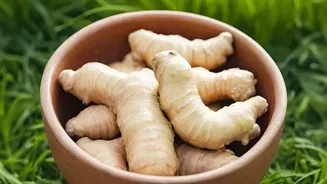
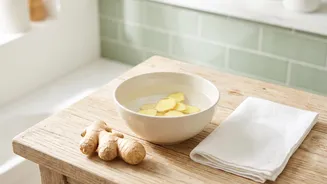
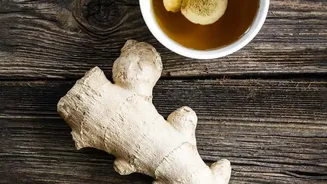
Creating a ginger compress at home is a simple process. You will need a few basic items: a fresh ginger root (about a 3- to 4-inch piece), a grater, a large pot with water, and a few small cotton towels or cloths.
1. Prepare the Ginger: Grate a handful of fresh ginger. You can place the grated ginger into a small cotton cloth or cheesecloth and tie it into a bundle.
2. Heat the Water: Bring a large pot of water (about 2 litres) to a boil, then reduce the heat to a simmer.
3. Infuse the Water: Place the ginger bundle into the hot water and let it steep for at least 5 to 10 minutes to allow the active compounds to infuse the water.
4. Soak the Towel: Turn off the heat. Carefully dip a cotton towel into the ginger-infused water. To avoid burning your hands, you can fold the towel and hold it by the ends, dipping only the middle section.
5. Wring and Apply: Carefully wring out the excess water. The towel should be hot but not scalding. Test the temperature on your inner arm before placing it on the affected muscle.
Applying the Compress Safely and Effectively
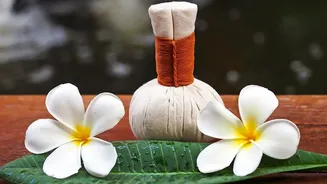
Once your compress is ready, apply the warm towel directly to the sore or stiff muscle. To help retain the heat, you can cover the wet towel with a larger, dry towel or a piece of plastic wrap. Leave the compress on for about 15 to 20 minutes. As the towel cools, you can re-soak it in the warm ginger water and reapply. It's often helpful to swap between two towels, leaving one to soak while the other is in use to maintain a consistent temperature. The skin in the area should become warm and may turn pink, which indicates increased blood circulation. This process can be repeated once or twice daily when muscles feel particularly tight or sore.
Who Should Be Cautious?
While a ginger compress is a generally safe home remedy, it's not suitable for everyone. People with sensitive skin should be cautious, as ginger can sometimes cause irritation. It's wise to perform a patch test on a small area of skin first. High doses of ginger can also interact with blood-thinning medications, so if you are taking such medication, it's best to consult your doctor before using ginger topically. The compress should not be applied to open wounds, inflamed skin with a rash, or on the head. Additionally, it's advised against using a ginger compress on anyone with cancer, as the increased circulation could potentially stimulate the flow of cancerous cells.