



The New Official Height
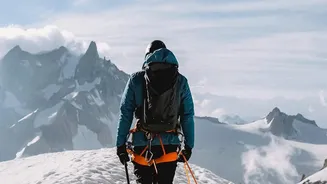
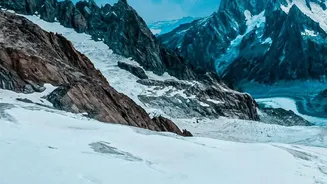
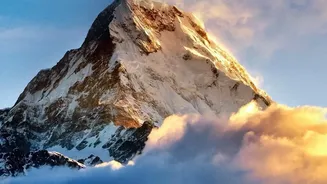
A team of French surveyors recently revealed that Mont Blanc stands at 4,807.47 metres. This marks a significant change from the measurement taken in 2023, which was 4,805.59 metres. The mountain's summit is now 1.88 metres taller, reversing a downward
trend seen in previous years. A team of experts conducted the meticulous measurement in September, using a combination of GPS technology and drones to ensure precision. While the number is striking, the surveyors have urged caution, emphasizing that these fluctuations are part of a larger, more complex story.
A Tale of Two Summits
To understand how a mountain can 'grow', it is crucial to distinguish between its two summits: the permanent, rocky peak and the fluctuating cap of ice and snow on top. The rock summit of Mont Blanc is stable at an altitude of around 4,792 metres. The official height that makes headlines, however, is the very top of its snowy crown. This layer of 'eternal snow' is anything but permanent. Its thickness changes from year to year, acting like a natural ledger of the preceding seasons' weather.
Weather, Not Climate Reversal
So, what caused this sudden growth spurt? Experts point not to a reversal in climate change, but to short-term weather patterns. The height of the snow cap is a direct result of the balance between winter snow accumulation and summer melt. It is also heavily influenced by wind, which can either strip snow from the summit or deposit large amounts there. After a period of decline, including a significant drop in 2023 attributed to low precipitation, it appears the conditions over the last cycle allowed more snow and ice to accumulate on the peak than was lost. Chief surveyor Jean des Garets noted that the 'summit is constantly changing', reminding us that these measurements are snapshots in time.
A History of Ups and Downs
This is not the first time Mont Blanc's height has swung dramatically. Surveyors have been tracking the summit every two years since 2001 to build a long-term data set. Looking back, the mountain has been on a veritable rollercoaster. The highest recorded altitude in recent history was nearly 4,811 metres in 2007. From there, a general but unsteady decline began, with the 2023 measurement marking a recent low point. The new 2026 figure, while a significant rebound, still leaves the mountain lower than it was for most of the 2000s. This history of volatility shows that a two-year change does not make a trend.
What This Means for the Bigger Picture
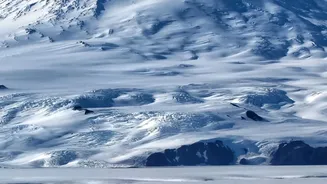
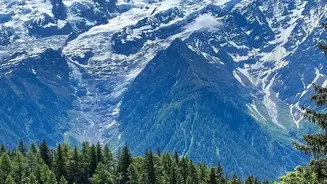
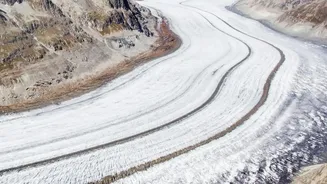
While it's tempting to see this growth as good news for the climate, scientists are clear: it does not contradict the overwhelming evidence of glacial retreat in the Alps and worldwide. Below the polar conditions of the summit, Alpine glaciers are melting at an alarming rate. This wider trend is a major concern for water resources in Europe. For audiences in India, this story serves as a relevant parallel to the Himalayan ecosystem, where glaciers that feed vital river systems are also under threat. The lesson from Mont Blanc is that we must distinguish between short-term weather variations at a single point and the undeniable long-term climatic trend affecting entire mountain ranges.