





A Flower That Named Mountains
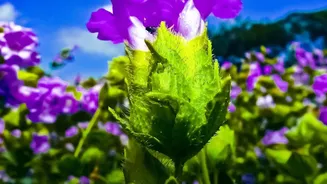
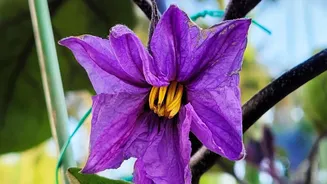
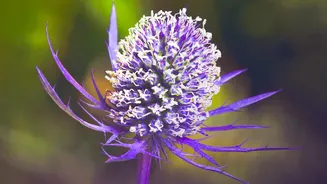
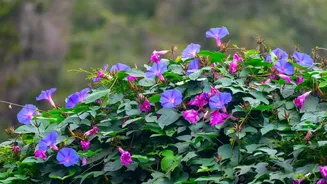
The Neelakurinji, or Strobilanthes kunthiana, is no ordinary flower. It is a legendary shrub endemic to the high-altitude Shola grasslands of the Western Ghats, a UNESCO World Heritage site. Its fame comes from its unique, synchronized blooming cycle:
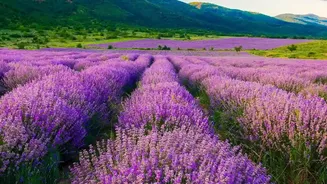
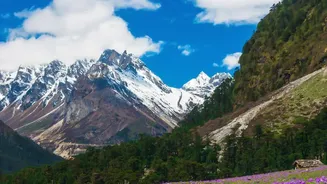
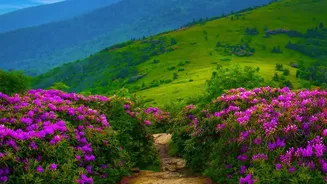
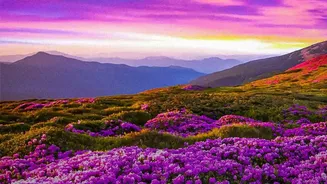
for 11 years, the plant grows quietly, almost unnoticed. Then, in the 12th year, it bursts into a breathtaking mass flowering, carpeting entire hillsides in a surreal violet-blue hue. This incredible phenomenon is so integral to the region that it’s believed the Nilgiri Hills, which literally translate to ‘Blue Mountains’, earned their name from these very blossoms. After the last major bloom in 2018, the next grand spectacle is anticipated around 2030, though smaller, localized blooms are delighting onlookers in parts of the Nilgiris and Munnar in 2026.
The Life-and-Death Blooming Cycle
To understand the need for protection, one must first understand the plant’s biology. Neelakurinji is a monocarpic plant, a term botanists use for species that flower, set seed, and then die. This isn't just an individual act; the entire population in an area blooms and dies together in a synchronized effort for survival. The future of the next generation, a full 12 years away, depends entirely on the seeds produced during this brief flowering window. When a tourist plucks a stem for a souvenir or a selfie prop, they are not just taking a flower; they are sterilizing a patch of land for over a decade. They are effectively preventing the creation of seeds that are the sole guarantee of the next bloom, disrupting a natural cycle perfected over millennia.
The ₹25,000 Legal Shield
Witnessing the escalating threat from unregulated tourism, the Indian government took a decisive step. In January 2023, the Ministry of Environment, Forest and Climate Change listed Neelakurinji under Schedule III of the Wildlife (Protection) Act, 1972, granting it the status of a protected plant. Under this law, it is illegal to pluck, uproot, destroy, or even possess the flower without official permission. The consequences are severe: anyone caught violating this rule faces a steep fine of up to ₹25,000, a prison term of up to three years, or both. This legal provision gives forest officials the clear authority they needed to move beyond simple warnings and take firm action against offenders.
An Ecosystem's Health Indicator
The protection of Neelakurinji extends far beyond saving a pretty flower. Ecologists consider it an indicator species, meaning its health and blooming cycle reflect the overall well-being of the fragile Shola ecosystem. Its mass flowering provides an essential source of nectar for countless native bees and butterflies, playing a vital role in the local food web. For some local communities, like the Paliyan tribe of Tamil Nadu, the bloom has cultural significance, historically used to calculate their age. The flower's status as 'Vulnerable' on the IUCN Red List due to habitat loss and climate change underscores the urgency. The penalty, therefore, is not just about punishing individuals but about safeguarding a keystone species and the rich biodiversity it supports.