







Understanding Wegovy's Impact on Eating
Wegovy contains semaglutide, which mimics a hormone that tells your brain you're full. It also slows down gastric emptying, meaning food stays in your stomach longer. This dual action effectively reduces hunger and calorie intake. However, this change
means every bite you take is more important than ever. With a reduced appetite, you can't afford to use limited stomach space on foods that lack nutritional value. This makes nutrient density—getting more vitamins, minerals, and protein per calorie—the central principle of a successful Wegovy diet plan.
Make Protein Your Top Priority
When you're in a calorie deficit, your body may break down muscle tissue for energy along with fat. Prioritizing protein is the single most important habit to prevent this. Aiming for 20 to 30 grams of protein with each meal helps preserve lean muscle mass, which is crucial for maintaining a healthy metabolism. Daily goals often range from 60 to over 100 grams, depending on your body weight and activity level. Since your appetite is low, start by eating the protein portion of your meal first. Lean sources like chicken breast, fish, eggs, Greek yogurt, cottage cheese, tofu, and lentils are excellent choices. If solid food feels like too much, a low-sugar protein shake can be an effective alternative.
Focus on Nutrient-Dense Foods
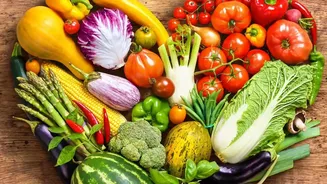
Nutrient-dense foods pack a high amount of vitamins and minerals into a relatively small number of calories. With a smaller appetite, these foods are essential to avoid potential deficiencies in nutrients like iron, vitamin D, and B12. Fill at least half your plate with non-starchy vegetables like leafy greens, broccoli, bell peppers, and zucchini. These are high in fiber, vitamins, and minerals without taking up much of your calorie budget. Fruits are also important, with berries, apples, and citrus being great choices due to their high fiber and lower sugar content.
Embrace Fiber and Healthy Fats
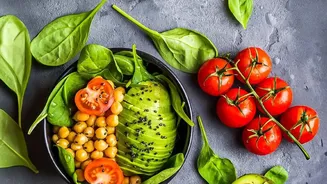
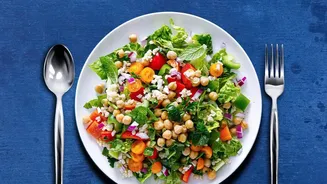
Digestive issues like constipation can be a side effect of Wegovy because it slows down the entire digestive system. Including high-fiber foods is key to managing this. Good sources include whole grains like oats and quinoa, beans, lentils, and vegetables. Healthy fats are also necessary for hormone production and absorbing certain vitamins. However, because high-fat and greasy foods can worsen side effects like nausea, moderation is key. Focus on sources like avocado, nuts, seeds, and olive oil, but be mindful of portion sizes—a quarter of an avocado or a small handful of nuts is often sufficient.
Rethink Your Meal and Snack Schedule
Instead of three large meals, many people on Wegovy find it easier to eat four to five smaller meals or snacks throughout the day. This strategy can help manage nausea and prevent you from feeling uncomfortably full. Setting alarms can be a helpful reminder to eat if you struggle with low hunger cues. Smart snacking involves choosing options that provide both protein and fiber. Good choices include Greek yogurt with berries, a hard-boiled egg, cottage cheese with fruit, or a small handful of almonds. The goal is to nourish your body consistently, even when you don't feel intense hunger.
Don't Forget Hydration
Staying hydrated is crucial on Wegovy, as it helps manage side effects like constipation and fatigue. Aim to sip water consistently throughout the day rather than drinking large amounts with meals, which can contribute to a feeling of bloating. If you experience fatigue, it may be related to dehydration or low electrolyte levels. Including hydrating foods like soups or cucumbers can also help meet your fluid needs. It's generally wise to limit or avoid sugary drinks, excessive caffeine, and alcohol, as they can irritate the stomach or contribute to dehydration.