





1. The Power of Moving in Sync
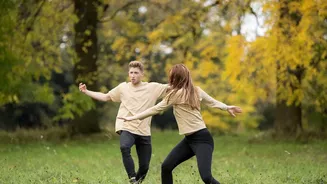
When you dance in a group, you’re not just moving near others; you’re often moving with them. This synchronization—the shared rhythm and coordinated movements—triggers a powerful sense of connection and social bonding. Research suggests that moving in unison
with others can increase your pain threshold and foster positive feelings toward the group, partly due to the release of endorphins. This shared experience creates a sense of belonging and community, which is a powerful antidote to the isolation that can often accompany stress. It’s a primal form of communication that tells our brains we are part of a supportive tribe, melting away feelings of anxiety.
2. A Full-Body Workout for Your Brain
Learning choreography is a potent form of cognitive exercise. It requires you to engage multiple parts of your brain at once: remembering steps (procedural memory), anticipating the music, maintaining rhythm, and being aware of your position in space. This complex multitasking enhances neuroplasticity, which is the brain's ability to form new neural connections. Studies have shown that the cognitive demands of dance can improve mental agility, problem-solving skills, and even reduce the risk of dementia. Unlike repetitive exercises like running on a treadmill, dance continually presents new patterns and challenges, keeping your brain sharp, flexible, and fully engaged in the present moment.
3. Reconnecting Your Mind and Body
Chronic stress can often make us feel disconnected from our bodies. We live in our heads, lost in a cycle of worries and what-ifs. Group dancing serves as a powerful grounding tool. It demands a strong mind-body connection, forcing you to pay attention to your posture, balance, and how you move through space. This focus on physical sensation, known as proprioception, shifts your attention away from anxious thoughts and into the physical reality of the present. The rhythmic movement can induce a relaxation response, calming the nervous system and reducing the production of the stress hormone cortisol. It's a form of active mindfulness that helps you feel more at home in your own skin.
4. The Ultimate Mood-Boosting Cocktail
The stress-busting power of dance comes from a unique combination of factors that create a natural high. The physical exertion releases endorphins, the brain’s well-known feel-good chemicals that act as natural mood elevators. This is amplified by the music, which has its own direct line to the brain's emotional centers, capable of triggering the release of dopamine, a neurotransmitter associated with pleasure and reward. When you combine physical activity, music, and social connection, you create a powerful neurochemical cocktail that boosts mood, relieves tension, and builds emotional resilience. Studies have shown dance to be highly effective at reducing symptoms of anxiety and depression.
5. A Safe Outlet for Emotional Expression
Sometimes, stress and difficult emotions are hard to put into words. Dance provides a non-verbal outlet for expression, allowing you to process and release feelings that might otherwise stay bottled up. Whether it’s the powerful release of a hip-hop routine or the graceful flow of contemporary dance, movement allows for a form of emotional catharsis. A supportive group dance environment provides a safe space for this expression, free from judgment. This physical storytelling can build confidence and improve self-esteem as you master new skills and gain control over your body. It’s an empowering way to transform emotional energy into something creative and positive.