


The Calcium Clash: An Overwhelming Win for Ragi
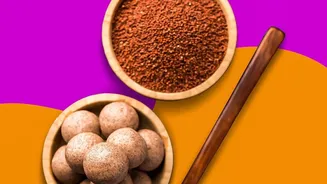
When it comes to calcium, the comparison is not even close. Ragi, or finger millet, is a nutritional champion for bone health. A 100-gram serving of uncooked ragi contains a remarkable 344 mg of calcium. To put that in perspective, it's nearly three times
the calcium found in milk and over seven times the amount in quinoa, which offers around 47 mg per 100 grams. For growing children, pregnant women, and older adults concerned about osteoporosis, ragi is the undisputed winner. This makes it an invaluable, locally-sourced grain for meeting daily calcium requirements, a common deficiency in Indian diets.
The Protein Power-Up: Quinoa's Unique Advantage
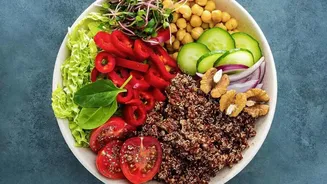
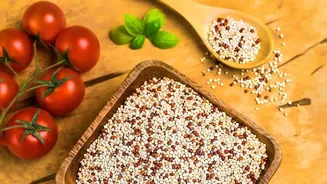
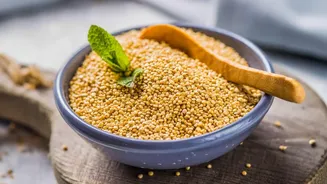
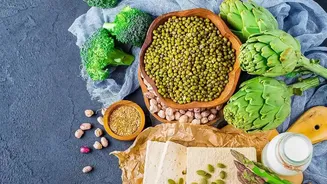
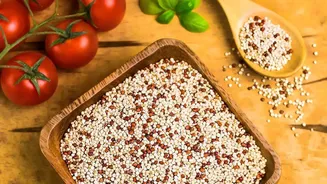
Quinoa's global fame is built on its protein profile, and for good reason. Per 100 grams uncooked, quinoa provides about 14 grams of protein, which is significantly more than ragi's 7-8 grams. More importantly, quinoa is a 'complete protein', meaning it contains all nine essential amino acids that the body cannot produce on its own. Ragi, like most cereals, is not a complete protein and is low in the amino acid lysine. However, this is easily corrected in traditional Indian meals by pairing ragi with dal, sambar, or curd, which provides the missing amino acids. So, while quinoa wins for protein quality and quantity, ragi remains a solid contender when part of a balanced meal.
The Fibre Face-Off: A Win for Digestion
Dietary fibre is crucial for digestive health, blood sugar regulation, and feeling full longer. Here, both grains perform well, but ragi often has a slight edge. Uncooked ragi contains around 11 grams of fibre per 100 grams. Uncooked quinoa follows closely with about 7 grams of fibre per 100 grams. The higher fibre content in ragi can make it particularly beneficial for managing weight and for individuals with diabetes, as it helps slow down the release of sugar into the bloodstream, leading to a lower glycemic response. While both are good choices for a high-fibre diet, ragi's contribution is slightly more potent.
Beyond the Big Three: Cost and Culinary Use
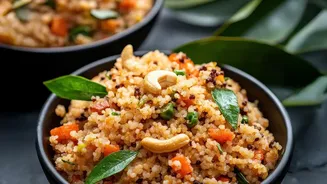
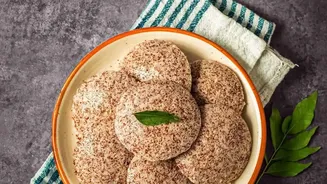
Nutrition isn't the only factor; practicality matters. Ragi is an indigenous Indian grain, making it widely available and significantly more affordable than quinoa, which is often imported and can cost several times more. This makes ragi a much more sustainable and budget-friendly choice for daily consumption. In the kitchen, ragi has been a staple for centuries in dishes like ragi mudde, dosas, and porridge, seamlessly fitting into the Indian palate. Quinoa has a mild, nutty flavour and a different texture that can be less familiar, though it is versatile in salads, pilafs, and as a rice substitute.
The Verdict: Which Grain Is Right for You?
There is no single winner in the battle between ragi and quinoa. The best choice depends entirely on your personal health goals and priorities. Choose Ragi if your focus is on strengthening your bones, need a high-fibre grain for better digestion and blood sugar control, or are looking for a nutritious, budget-friendly local option. Its exceptional calcium content makes it a true superfood for bone density. Choose Quinoa if you are seeking a high-quality, complete plant-based protein source to support muscle building and repair. It's an excellent option for vegetarians, vegans, and athletes who need to ensure they are getting all essential amino acids from their diet.