

A Classic Sweet Reimagined
Rasmalai is a beloved dessert across India, known for its soft, spongy discs of chenna (fresh paneer) soaked in a sweet, creamy, and fragrant milk base. It's a royal treat, delicate and rich all at once. The creative culinary world, however, has introduced
a fascinating substitute for the chenna patties: sabudana, or tapioca pearls. This variation, known as Sabudana Rasmalai, offers a completely different textural experience while aiming to preserve the soul of the original dessert. It’s a popular choice during fasting periods like Navratri, as sabudana is a non-grain food, but its appeal has grown far beyond festive days.
The Unique Charm of Tapioca Pearls
The star of this inventive dish is sabudana, the processed starch extracted from the cassava root. When soaked and cooked, these small white pearls become translucent, soft, and delightfully chewy. In Sabudana Rasmalai, instead of pressing paneer, cooks often create small balls or patties from a dough made of soaked and sometimes ground sabudana, often bound with a little milk powder for richness. These are then gently simmered in the sweetened milk. The result is a dessert with soft, pearl-like dumplings that offer a gentle, yielding bite, a stark contrast to the spongy texture of traditional chenna. This textural novelty is what makes the dish so intriguing.
The Aromatic Anchor: Cardamom
For this fusion to feel like a true rasmalai, the flavour profile must be instantly recognizable. This is where cardamom, or elaichi, plays a crucial role. Cardamom is a cornerstone of Indian desserts, from kheer to gulab jamun. Its intensely aromatic, floral, and slightly minty notes are deeply embedded in the subcontinent's culinary memory. In Sabudana Rasmalai, ground cardamom is infused into the rabri, the thickened milk base. This ensures that with every spoonful, the first impression is one of comforting familiarity. The warm, sweet fragrance of cardamom bridges the gap between the traditional and the new, assuring you that you are, indeed, enjoying a variation of rasmalai.
The Golden Touch of Saffron
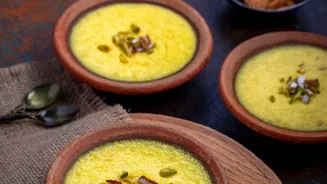
Working in perfect harmony with cardamom is saffron, or kesar. Revered for centuries, saffron imparts a subtle, luxurious flavour that is often described as honey-like and floral. More than its taste, saffron gives the milk its beautiful, signature golden-yellow hue, a visual cue that signals a rich, celebratory sweet. A few strands soaked in warm milk are all it takes to transform the rabri. The combination of saffron and cardamom creates a flavour duo that is quintessentially Indian. This pairing is so powerful that it anchors the novel texture of the sabudana pearls firmly in the realm of classic mithai, making the dish feel both exciting and timeless.
Why This Fusion Works So Well
The genius of Sabudana Rasmalai lies in its brilliant balance of novelty and nostalgia. The texture is new—a soft, chewy experience that differs from the classic chenna. But the taste is a journey back to a familiar and cherished flavour profile. The creamy, thickened milk, fragrant with the unmistakable aromas of cardamom and saffron, envelops the sabudana pearls, which absorb the flavours beautifully. Garnished with slivered pistachios and almonds for a bit of crunch, the dessert is a masterclass in culinary evolution. It respects the core identity of rasmalai while offering a playful and satisfying new dimension. It’s an innovation that doesn’t alienate, but rather, invites you to experience a beloved classic in a fresh, new light.