




The Life-Altering Reality of a Peanut Allergy
For someone with a severe peanut allergy, the world is a minefield. This isn't a minor intolerance causing discomfort; it's a condition where a minuscule trace of peanut protein—sometimes just from cross-contamination—can trigger anaphylaxis. This is a life-threatening,
whole-body allergic reaction that can include constriction of the airways, a severe drop in blood pressure, swelling of the throat, and loss of consciousness. It requires an immediate injection of epinephrine and a trip to the emergency room. Families managing this condition live with constant vigilance, scrutinising food labels, interrogating restaurant staff, and planning social outings with military precision. This level of anxiety is a world away from lifestyle wellness debates.
A Growing Concern in India
While once considered a 'Western' issue, food allergies are an emerging public health concern in India. Urbanisation, changing diets, and environmental factors are contributing to a rise in cases, or at least in their recognition. Although the prevalence of clinically-confirmed peanut allergy in India remains relatively low compared to Western countries, sensitisation rates are higher, suggesting a hidden potential for more cases. Experts note an increase in children, especially in cities, presenting with food reactions. This shift means that what was once a rare concern is becoming a more common reality for Indian families, making awareness and preparedness more crucial than ever.
The Water Timing Debate
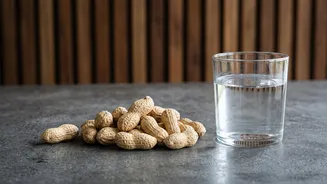
On the other end of the health-anxiety spectrum is the perennial discussion about the 'correct' time to drink water. Infographics shared widely online claim that drinking water at specific times—upon waking, before a meal, or before bed—can activate organs, improve digestion, or prevent a heart attack. While staying hydrated is essential for health, there is little to no scientific evidence to support these specific timing claims. Drinking water after sleeping does rehydrate you, and water can help with digestion by softening stool, but the rigid 30-minute pre-meal rule is not medically necessary. These are, at best, minor lifestyle optimisations, not critical health interventions. They do not carry the life-or-death weight of a severe allergy.
A Misplaced Sense of Urgency
The wellness industry, particularly on social media, often magnifies minor concerns into major anxieties while flattening the severity of genuine medical conditions. False news and misleading health information are often shared more rapidly and widely than factual reports. This creates a distorted landscape where the public may spend more time and energy worrying about the unproven harms of drinking water with meals than understanding the signs of anaphylaxis. This is a failure of health literacy. When we treat a wellness 'hack' with the same gravity as a diagnosed, life-threatening condition, we lose perspective on what truly constitutes a health emergency.
Recalibrating Our Health Priorities
It's time for a collective reset. Prioritising health means learning to distinguish between a lifestyle preference and a life-preserving necessity. Instead of chasing unproven bio-hacks, we could invest that energy into becoming a safer community for those with allergies. This involves educating ourselves and our children about the severity of food allergies. It means advocating for clearer food labelling and training staff in restaurants and schools to prevent cross-contamination. It means learning to recognise the symptoms of a severe reaction and understanding that someone experiencing one needs immediate medical help. Fostering empathy and awareness for neighbours managing chronic, dangerous conditions is a far greater contribution to public health than perfecting the timing of our water intake.