


Lentils (Dal): The Protein and Fibre Powerhouse
A cornerstone of Indian cuisine, lentils, or dal, are a formidable source of plant-based protein and dietary fibre. Just half a cup of cooked lentils provides a significant amount of protein, essential for muscle repair and building tissue. Their high
fibre content promotes digestive health, helps you feel full longer, and supports stable blood sugar levels, making them beneficial for energy management. Lentils are also packed with iron and folate, which is crucial for red blood cell formation and can help combat fatigue. Instead of reaching for a generic protein powder or iron pill, a hearty bowl of dal can provide a more complete nutritional package.
Yogurt (Dahi): Your Gut's Best Friend
Plain yogurt, a daily staple in many Indian homes, is a natural source of probiotics. These are live, beneficial bacteria that support a healthy gut microbiome, which is essential for good digestion and a strong immune system. While many expensive probiotic supplements exist, a simple bowl of dahi can offer these benefits naturally. Furthermore, yogurt is an excellent source of calcium for bone health, as well as protein. Look for yogurts with live and active cultures and minimal added sugar to reap the maximum rewards. It serves as a prime example of how traditional foods can offer sophisticated health benefits.
Turmeric (Haldi): The Anti-Inflammatory Spice
The golden spice that gives many curries their vibrant colour is more than just a flavouring agent. Turmeric's main active compound, curcumin, has powerful anti-inflammatory and antioxidant properties. Chronic inflammation is linked to numerous health conditions, and curcumin has been studied for its potential to help manage these processes. While curcumin supplements are popular, incorporating turmeric into your daily cooking can provide a consistent, gentle dose of its benefits. Combining it with a pinch of black pepper is a good practice, as piperine in pepper significantly enhances curcumin absorption.
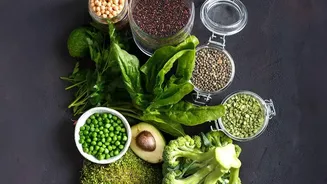
Spinach (Palak): The Leafy Green Giant
Spinach is a nutrient-dense leafy green, packed with vitamins like Vitamin K, Vitamin A, and folate. While it is famous for its iron content, it's important to know that the type of iron in spinach (non-heme) is less easily absorbed by the body. However, its overall nutritional profile is still incredibly valuable. It is a fantastic source of antioxidants and its high folate content is particularly important. To improve iron absorption, it's helpful to consume spinach with a source of Vitamin C, such as a squeeze of lemon juice.
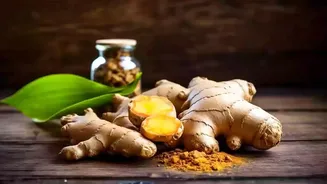
Ginger (Adrak): The Soothing Root
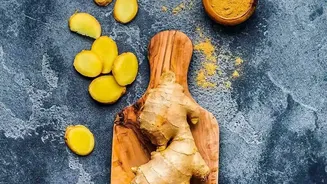
Used for centuries in traditional medicine, ginger is renowned for its ability to soothe digestive upset and nausea. Its benefits come from gingerol, a compound with potent anti-inflammatory and antioxidant properties. Regular consumption of ginger may help reduce muscle soreness after exercise and alleviate symptoms associated with inflammatory conditions. Rather than a specialised supplement for inflammation or digestion, a simple cup of ginger tea or adding fresh ginger to your meals offers a natural and time-tested approach to wellness.
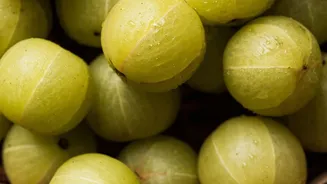
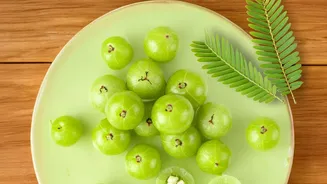
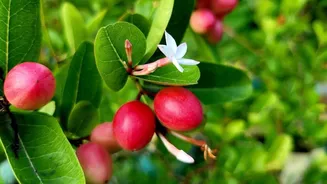
Amla (Indian Gooseberry): The Vitamin C Superstar
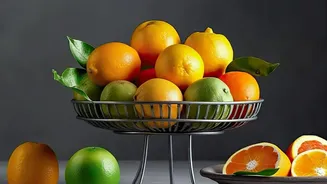
Amla is one of the most potent natural sources of Vitamin C, containing significantly more of this vital nutrient by weight than oranges. Vitamin C is a powerful antioxidant that is crucial for immune function, skin health, and the absorption of iron. Instead of synthetic Vitamin C tablets, consuming fresh amla, amla juice, or powder provides this vitamin in its whole-food form, complete with other beneficial compounds like polyphenols and fibre. This makes it a holistic choice for boosting immunity and fighting cellular damage.
Chickpeas (Chana): The Versatile Legume
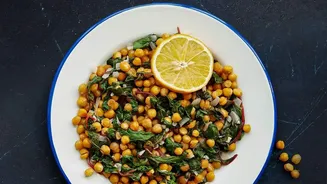
Whether in a curry, salad, or roasted as a snack, chickpeas are a nutritional workhorse. They offer a balanced mix of plant-based protein and dietary fibre, making them incredibly satisfying and great for digestive health. A single serving provides a substantial amount of protein, helping to keep you full and support muscle health. Chickpeas are also a good source of important minerals like iron and folate. Their versatility and affordability make them an easy substitute for more expensive, processed protein sources.
Millets (Ragi, Jowar, Bajra): The Ancient Grains
Once staples of the Indian diet, millets are making a well-deserved comeback. These ancient grains are naturally gluten-free and have a low glycemic index, which helps in managing blood sugar levels. They are rich in fibre, protein, and essential minerals like calcium, iron, and magnesium. For instance, ragi (finger millet) is an excellent source of calcium, crucial for bone health. Swapping refined grains for a variety of millets is a simple way to enhance the nutritional value of your meals without needing specialised dietary products.