








The Allure of the Superfood Glow
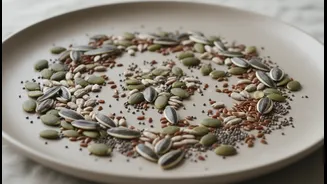
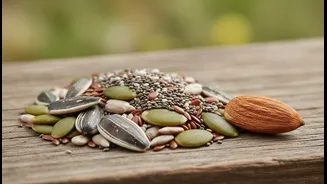
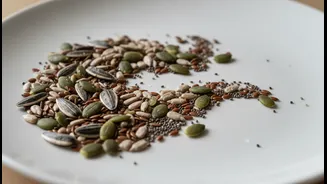
The promise is incredibly appealing: eat a daily handful of seeds and unlock a radiant, flawless complexion. This idea has gained traction as wellness culture increasingly focuses on achieving beauty from the inside out. Seeds like chia, flax, pumpkin,
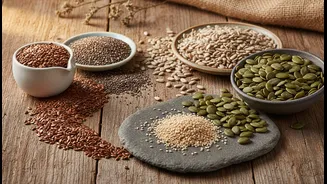
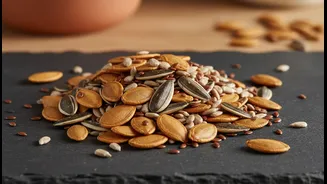
and sunflower have been hailed as superfoods packed with everything needed for perfect skin. The narrative suggests their rich concentration of healthy fats, vitamins, and minerals can single-handedly combat everything from dryness and acne to signs of aging. While there's truth to their nutritional value, this oversimplified marketing often sets unrealistic expectations. The reality is that seeds are a beneficial component of a healthy diet, not a magical cure-all for your skin concerns.
A Nutritional Powerhouse Explained
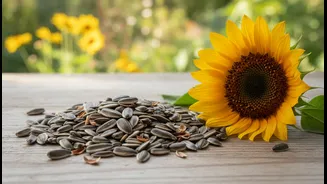
So, what's actually inside that handful of mixed seeds? They are genuinely packed with beneficial compounds. Many seeds, particularly flax and chia, are excellent plant-based sources of Omega-3 fatty acids (specifically ALA), which are known for their anti-inflammatory properties and their role in maintaining the skin's moisture barrier. Sunflower seeds are famously rich in Vitamin E, a powerful antioxidant that helps protect skin cells from damage caused by UV rays and pollution. Pumpkin seeds are a standout source of zinc, a mineral crucial for skin healing, cell regeneration, and regulating oil production, which can be beneficial for acne-prone skin. Together, these seeds also provide fibre, protein, and other minerals like magnesium and selenium that support overall health.
What Seeds Can Realistically Do for Your Skin
Understanding these nutrients helps clarify what seeds can realistically do. The Omega-3s help strengthen the skin's barrier, improving hydration and potentially calming inflammatory conditions like acne and redness. Vitamin E acts as a shield, neutralizing free radicals that accelerate aging and lead to fine lines. Zinc supports the skin's repair processes and can help keep pores from clogging by balancing oil production. In essence, these nutrients provide the building blocks your skin needs to function optimally, stay hydrated, and defend itself against environmental stressors. They support your skin's health, which can lead to a clearer, more resilient, and healthier-looking complexion over time. However, this is a supportive role, not a solo performance.
It Takes More Than Seeds to Glow
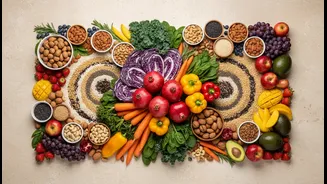
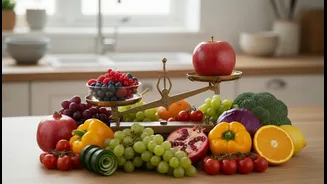
A skin transformation is never down to a single food. True skin health is holistic and reflects your overall lifestyle. Factors like getting enough sleep, managing stress, staying hydrated with plenty of water, and avoiding smoking have a tremendous impact on your skin's appearance. A balanced diet rich in a variety of fruits, vegetables, lean proteins, and whole grains provides a wider spectrum of nutrients than seeds alone can offer. Furthermore, a consistent and appropriate topical skincare routine is non-negotiable for addressing specific concerns like acne, hyperpigmentation, or fine lines. Sunscreen, for instance, offers direct protection from UV damage that no food can replicate. Think of seeds as a valuable player on a well-rounded team, not the star quarterback who wins the game alone.
Making the Most of Your Handful
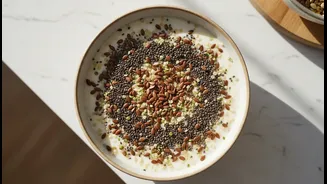
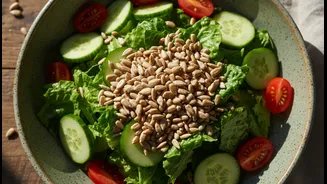
To get the full nutritional benefit from seeds, a little preparation helps. Grinding flaxseeds, for example, makes their Omega-3s more accessible to your body than eating them whole. Soaking chia seeds helps with digestion and hydration. Since seeds are high in calories and fat (even the healthy kind), portion control is key; a tablespoon or two a day is generally sufficient. Look for raw, unsalted varieties to avoid added sodium and unhealthy oils often found in pre-packaged roasted mixes. Sprinkle them over yogurt, oatmeal, or salads, or blend them into smoothies. Consistency is more important than quantity. Incorporating a small, regular amount into an already balanced diet is the most effective strategy.