






The Challenge of a Mixed Fleet
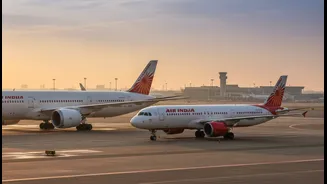
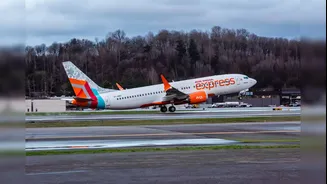
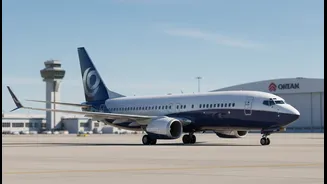
Following its acquisition by the Tata Group and the subsequent merger with AirAsia India, Air India Express found itself operating a diverse fleet. The airline, which historically flew only Boeing 737s, suddenly inherited a fleet of Airbus A320s. This
created an inconsistent experience for passengers; the look, feel, and amenities of the cabin could vary significantly depending on which aircraft you happened to board. For a low-cost carrier focused on efficiency and brand identity, this was a problem. The integration meant managing different seating configurations, interior styles, and service capabilities, a complex task for any airline. This operational diversity was a direct result of inducting new planes quickly to meet soaring post-pandemic travel demand, including 'white-tail' aircraft originally built for other carriers.
What Is Cabin Standardisation?
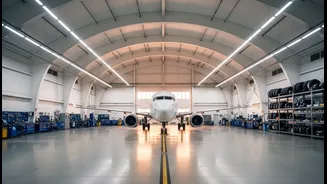
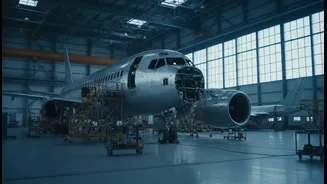
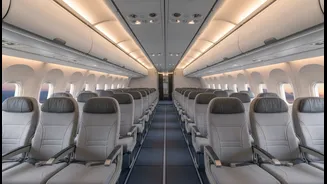
Cabin standardisation is the process of retrofitting an airline's entire fleet to have a single, uniform interior design. For Air India Express, this means ensuring that whether you fly on one of their Boeing 737-8s or an Airbus A320, the cabin environment is identical. The project involves replacing seats, installing new carpets, and implementing a consistent lighting scheme across all aircraft. The goal is to create a unified brand experience, where the passenger journey feels familiar and reliable every time. The airline is moving to an all-economy layout with 189 seats on its Boeing 737-8 aircraft, a move that simplifies operations and boosts capacity.
Inside the New Express Cabin
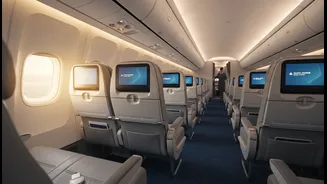
The new standardised cabin is designed with passenger comfort and modern aesthetics in mind. It features new ergonomically designed synthetic leatherette seats with enhanced padding and wider armrests. A key upgrade is the inclusion of USB-A and USB-C charging ports at every seat, catering to the needs of connected travellers. The airline has also introduced Boeing's 'Sky Interior', which uses mood lighting to create a more soothing and contemporary ambience throughout the flight. The vibrant new brand identity, with a palette of 'Express Orange' and 'Express Turquoise', is also reflected in the cabin's design, from seat accents to overall feel. Furthermore, ovens have been installed to serve hot 'Gourmair' meals, a significant upgrade for a low-cost carrier.
The Strategy Behind the Style
This cabin overhaul is about much more than just looks; it's a core business strategy. Standardisation brings significant operational efficiencies. Having a uniform fleet reduces costs associated with maintenance, as engineering teams and spare parts inventories only need to cater to one cabin type. Crew training is also simplified and streamlined when every aircraft has the same layout and equipment. By increasing the seat count to a uniform 189 on its retrofitted 737-8s, the airline unlocks additional capacity—equivalent to adding nearly four new planes to its fleet without the purchase cost—while reducing unit operating costs by an estimated 15 percent. This allows the airline to be more agile, rotating aircraft freely across domestic and international routes to meet demand.
A New Era for the 'Smart Connector'
This standardisation project is a critical step in positioning the newly merged Air India Express as 'New India's Smart Connector'. The effort is part of the Tata Group's broader strategy to create a formidable low-cost carrier that can compete effectively in India's crowded aviation market. With a rapidly growing fleet expected to reach around 170 aircraft and an expanding network, providing a consistent and reliable product is paramount. The refreshed cabin experience, combined with the new branding featuring unique tail art inspired by Indian textiles and art forms, signals a complete transformation. For passengers, it means the end of the cabin lottery and the beginning of a predictable, comfortable, and modern flying experience on every Air India Express flight. The full retrofit of the fleet is expected to be completed by 2027.