





The Original Blueprint for Responsibility
For years, Kerala has been the poster child for a better way to travel. Its acclaimed Responsible Tourism (RT) Mission was built on a simple yet powerful idea: tourism should benefit everyone, not just the operators. The model connects travellers and
businesses with local producers, farmers, artisans, and cultural practitioners, ensuring that tourism revenue stays within the community. This approach, focusing on economic, social, and environmental well-being, helped create jobs, empower women through self-help groups, and preserve local traditions that might otherwise have faded. Destinations like Kumarakom and Vaikom became living examples of how tourism could be a force for good, earning global recognition and setting a benchmark for the rest of the world.
Success Brings New Strains
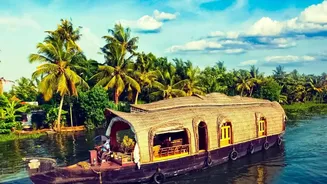
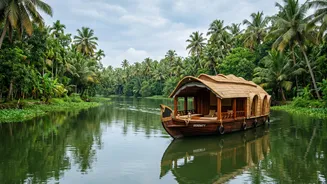
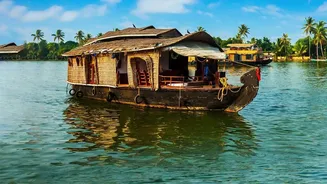
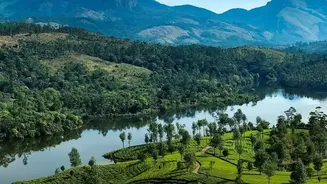
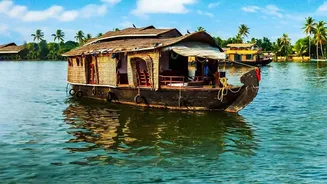
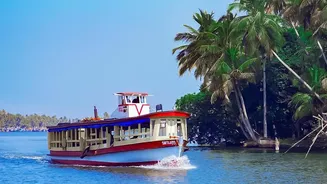
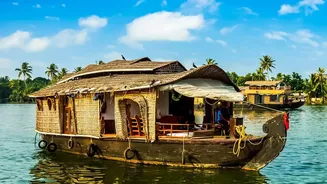
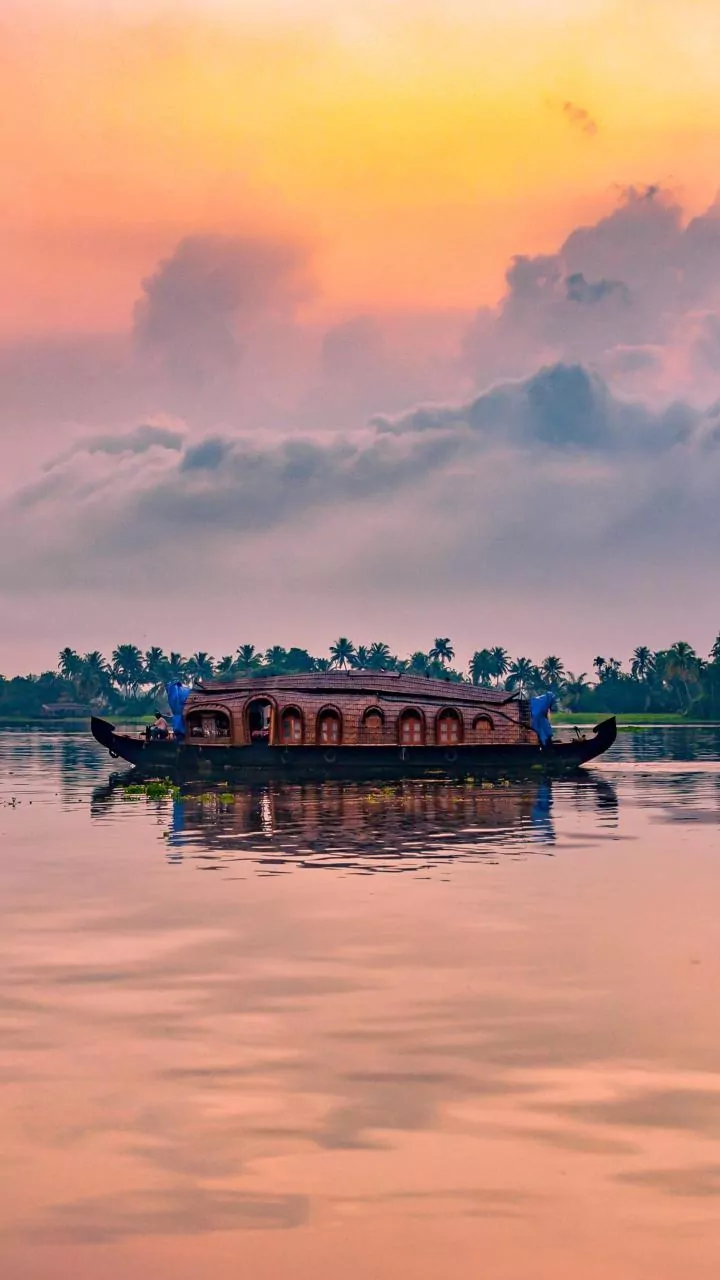
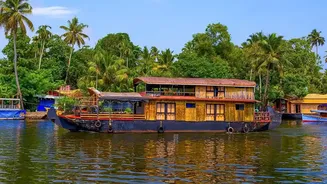
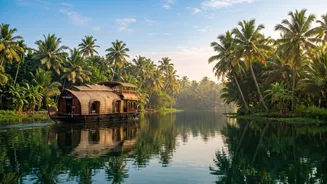
However, the very success of this model has created fresh challenges. The state's popularity has led to overcrowding in famous spots like Munnar and Alleppey, putting immense pressure on fragile ecosystems. In the famed backwaters, the proliferation of houseboats has raised concerns about the dumping of untreated waste and fuel leakages, threatening the delicate aquatic balance that local communities depend on for their livelihoods. Similarly, on the coast, the unique cliffs of Varkala are facing erosion, worsened by rampant, sometimes illegal, tourist construction. The issue of waste management has become so critical that the government has initiated plans to cap tourist numbers in ecologically sensitive areas based on the local capacity to handle garbage.
The Unpredictable Climate Factor
Layered on top of these man-made pressures is the growing threat of climate change. Kerala's geography, wedged between the Western Ghats and the Arabian Sea, makes it acutely vulnerable to extreme weather. In recent years, unpredictable and intense monsoons have triggered devastating floods and landslides, destroying infrastructure, disrupting travel, and threatening the state's natural appeal. These events not only pose a direct risk to life and property but also challenge the long-term viability of tourism in regions like Wayanad and Idukki, where unregulated construction on fragile slopes has amplified disaster risk. The changing climate is forcing a major rethink, moving the conversation from just 'responsible' tourism to 'resilient' tourism.
Adapting and Evolving for the Future
The good news is that Kerala isn't standing still. Recognizing that sustainability is a continuous journey, the state is actively adapting its strategy. There is a concerted push to elevate the quality of its tourism offerings while reinforcing sustainable practices. This includes new initiatives like designating 25 key locations as 'Green Tourism Destinations', which will focus on superior waste management and eco-friendly operations. The government is also developing new 'life experience trails' that encourage tourists to explore lesser-known villages and engage more deeply with local culture, aiming to distribute the economic benefits and tourist footfall more evenly across the state. Furthermore, by declaring new hubs like Beypore as the next global RT destination, Kerala is signalling its intent to apply its foundational principles to new areas, learning from past challenges.