
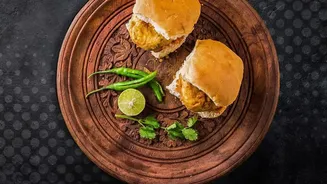
The Original Street Food Innovation
The story of Kolkata’s love for rolls begins with a simple, ingenious solution. In the 1930s, the city was Calcutta, and Nizam’s Restaurant in the bustling New Market area was famous for its delicious but messy Mughlai kebabs. Office workers and British
patrons wanted a quick, convenient meal they could eat on the go without getting their hands greasy. The solution was revolutionary: wrap the succulent, spicy kebabs in a flaky, freshly fried paratha. The Kathi Roll was born. Initially, it was just called a roll, but the name 'kathi' (Bengali for 'stick') became attached in the 1960s when Nizam's switched from heavy iron skewers to lighter bamboo ones to grill its kebabs. This portable, self-contained meal was an instant hit, a perfect fusion of practicality and flavour that quickly became a city-wide obsession.
An Enduring Legacy on Every Corner
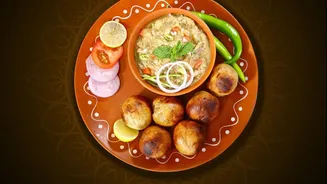
While Nizam’s remains the historical home of the Kathi Roll, its legacy has spread across every lane and bylane of the city. Today, a 'Kathi Roll' is a generic term for almost any filling wrapped in a paratha, and the variations are endless. Stalls across Kolkata serve up rolls filled with chicken, mutton, egg, paneer, and mixed vegetables, each with their own unique blend of spices and chutneys. Some spots, like Kusum Rolls on Park Street, even popularised adding cheese to the mix. It's a dish that has evolved with the city, yet at its core, it remains the ultimate democratic snack—quick, affordable, and deeply satisfying. It fuels students between classes, office workers during lunch breaks, and families on evening outings, a constant, delicious presence in the daily life of Kolkata.
A Transition to Sweetness
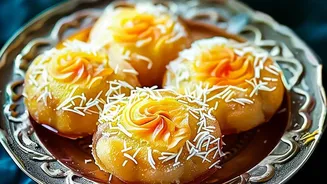
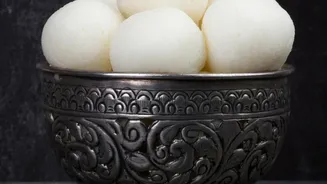
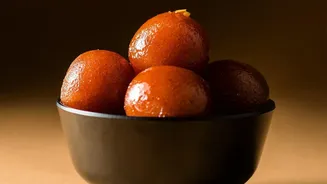
If the savoury roll is the city's energetic daytime beat, then its sweet counterpart, 'mishti', is its soulful evening melody. Bengali sweets are not just desserts; they are an integral part of the culture, woven into festivals, celebrations, and daily rituals. The foundation of many of these iconic sweets is 'chhena', or fresh cheese curd, a technique believed to have been popularised by the Portuguese in the 16th century. This simple ingredient is transformed by skilled confectioners, known as 'moiras', into an astonishing variety of textures and shapes. A visit to a Kolkata sweet shop is a sensory experience, with glistening trays of Sandesh, syrup-soaked Rosogollas, and creamy Mishti Doi creating a landscape of edible art.
The Pillars of Bengali Confectionery
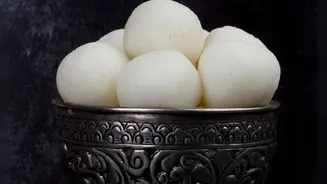
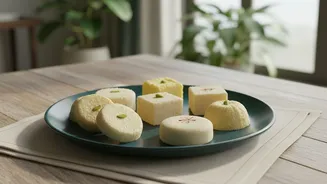
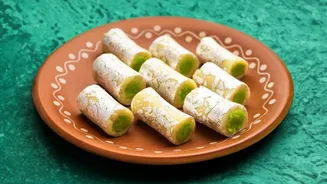
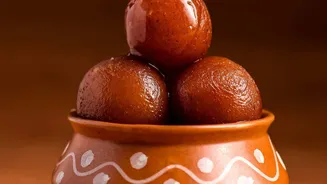
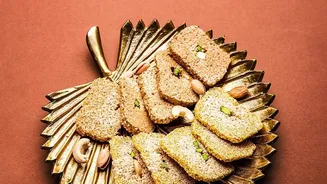
Two sweets in particular define the Bengali palate: Sandesh and Rosogolla. Sandesh is an elegant, delicate sweet made from lightly sweetened chhena, often pressed into intricate moulds and flavoured with saffron or cardamom. It’s a study in subtlety. The Rosogolla, invented by confectioner Nobin Chandra Das in 1868, is its more flamboyant cousin—a spongy chhena ball boiled in a light sugar syrup until it's soft and juicy. These two sweets represent the twin pillars of Bengali confectionery, and their creation is considered an art form. Legendary shops, some over a century old like Bhim Chandra Nag and K.C. Das, are revered institutions, guarding recipes that have been passed down through generations.
More Than Just a Meal
Ultimately, the rolls and sweets of Kolkata are more than just food. They are markers of identity and community. The corner roll stall and the neighbourhood sweet shop are social hubs where people gather, connect, and share in a collective culinary heritage. The sizzle of a paratha hitting a hot tawa is the sound of convenience and comfort. The offering of a box of Sandesh is a gesture of goodwill and celebration. This is the rhythm of Kolkata—a daily cycle of savoury and sweet that nourishes the body and soul of the city. It’s a flavourful, ever-present beat that tells the story of a city that lives and breathes through its food.