


The Cultural Fabric of Pujo
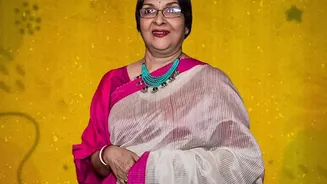
Durga Puja is a time of renewal, a celebration of good over evil, and an emotional touchstone for Bengalis worldwide. Clothing plays a vital role in this five-day festival, where dressing in one's finest is a sign of respect and joy. Handloom sarees,
in particular, hold a special place, representing a connection to cultural roots and the state's rich artisanal history. Unlike mass-produced garments, each handwoven saree tells a story of craftsmanship passed down through generations. The act of choosing and wearing a traditional weave is a celebration of identity, making these sarees an indispensable part of the festive wardrobe.
The Ethereal Jamdani: Woven Air
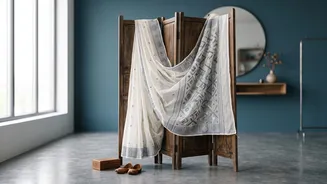
Often poetically described as "woven air," the Jamdani is a testament to the pinnacle of Bengali weaving. Originating from the Dhaka region and flourishing under Mughal patronage, this art form is now practiced in West Bengal as well. Jamdani is a supplementary weft technique where intricate motifs are meticulously woven into a fine, sheer cotton or silk base by hand. This process is so complex and laborious that it can take weeks or even months to complete a single saree. The designs, ranging from geometric patterns to classic floral motifs known as 'butidar', appear to float on the fabric's surface. Recognized by UNESCO as an Intangible Cultural Heritage of Humanity, the Jamdani is not just a saree but a piece of living history.
The Storied Baluchari: A Narrative on Silk
The Baluchari saree is a wearable canvas, known for telling stories through its intricate weaves. Originating in the village of Baluchar in Murshidabad and later revived in Bishnupur, these silk sarees are famous for their elaborate pallus that depict mythological scenes from the Ramayana and Mahabharata, or vignettes of royal courtly life. Unlike other sarees that might use metallic zari, traditional Baluchari sarees use silk threads in contrasting colors to create these detailed narrative panels. The weaving process for a single Baluchari can take a week or more, depending on the complexity of the story being woven into the fabric. Wearing a Baluchari is like draping oneself in folklore and artistry, making it a prized possession for festive occasions.
The Everyday Elegance of Tant
The Tant saree is the quintessential Bengali cotton handloom, cherished for its lightness and comfort. Perfectly suited for Bengal's warm and humid climate, the Tant is characterized by its crisp, airy texture, a thick, decorative border, and an ornate pallu. These sarees are woven across West Bengal in areas like Shantipur, Phulia, and Nadia. While the iconic red-and-white Tant is synonymous with Durga Puja, they come in a vibrant array of colors and designs, making them versatile for both daily wear and festive occasions. Their affordability and understated elegance make them a staple in every Bengali woman's wardrobe, ideal for the long hours of pandal-hopping during the festival.
Tradition Meets Contemporary Style
While rooted in deep tradition, these handloom sarees are not static. They are constantly evolving to meet modern sensibilities. Designers and weavers are experimenting with new color palettes, lighter fabrics, and contemporary motifs to appeal to younger generations. Traditional weaves are being blended with fabrics like linen and khadi, and styled in innovative ways, such as pairing a Jamdani with sneakers or a Baluchari with a crop top. This fusion of old and new ensures that Bengal's weaving heritage remains vibrant and relevant, continuing to be a cherished part of Durga Puja fashion for years to come.