



The Enduring Charm of Podi
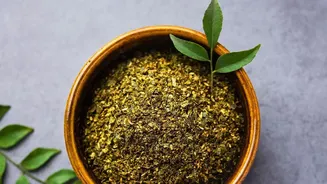
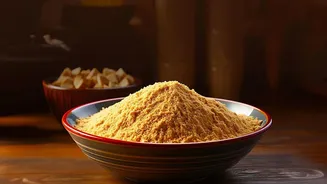
For the uninitiated, 'podi' (meaning 'powder' in several South Indian languages) is a coarse, dry spice mix that holds a cherished place in kitchens across the region. Often called 'gunpowder' for its explosive flavour, it's traditionally made by slow-roasting
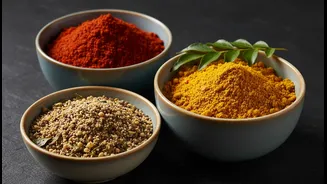
and grinding ingredients like lentils (urad and chana dal), dried red chillies, sesame seeds, and spices. A spoonful of this aromatic powder, typically mixed with ghee or sesame oil, is the classic accompaniment to idlis and dosas, but its use extends far beyond. It’s a flavour bomb, a comfort food, and a testament to culinary ingenuity, offering a quick way to add texture, spice, and nutty depth to a simple meal of hot rice.
Enter Flaxseed, The Modern Superfood
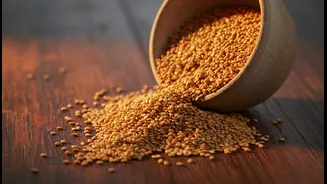
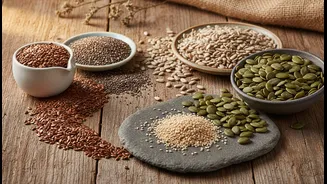
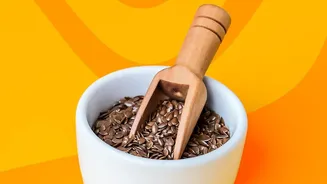
Parallel to this rich tradition is the global rise of the health-conscious pantry, where 'superfoods' reign supreme. Among the most popular is flaxseed, or 'alsi'. These tiny seeds have gained immense popularity for their impressive nutritional profile. They are one of the richest plant-based sources of alpha-linolenic acid (ALA), a type of omega-3 fatty acid known for its anti-inflammatory properties and benefits for heart health. Furthermore, flaxseeds are packed with dietary fibre, which aids digestion, and lignans, which are powerful antioxidants. As more people seek to incorporate these benefits into their daily diet, flaxseed has found its way into everything from smoothies and cereals to baked goods.
A Match Made in the Modern Pantry
The fusion of ancient podi and modern flaxseed is not just a novelty; it's a natural evolution. Flaxseed podi sees the traditional base of lentils and spices enhanced with roasted, ground flaxseeds. This addition is brilliant for several reasons. Flavour-wise, the inherently nutty taste of flaxseed beautifully complements the earthy notes of the roasted dals and the warmth of the chillies and cumin. Texturally, it integrates seamlessly into the coarse blend. But most importantly, it transforms the condiment. The podi is no longer just a flavour enhancer; it becomes a functional food, a simple way to add a dose of omega-3s and fibre to a meal. This aligns perfectly with the desire of modern home cooks to make every component of a dish work harder, nutritionally.
More Than Just a Recipe Twist
The emergence of flaxseed podi speaks to a larger trend in Indian food: the thoughtful integration of global wellness ingredients into regional cuisines. This isn't about replacing traditional recipes but augmenting them. Artisanal and homegrown brands are increasingly experimenting with ingredients like quinoa, moringa, and various seeds, responding to a consumer base that is both rooted in tradition and curious about health. It shows that Indian culinary traditions are not static relics but are dynamic and adaptable. The core principles of flavour balancing and texture remain, but the pantry of ingredients is expanding to reflect new knowledge and preferences.
How to Use This Versatile Condiment
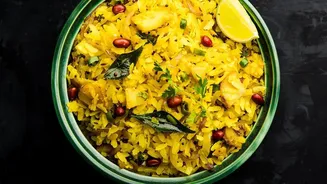
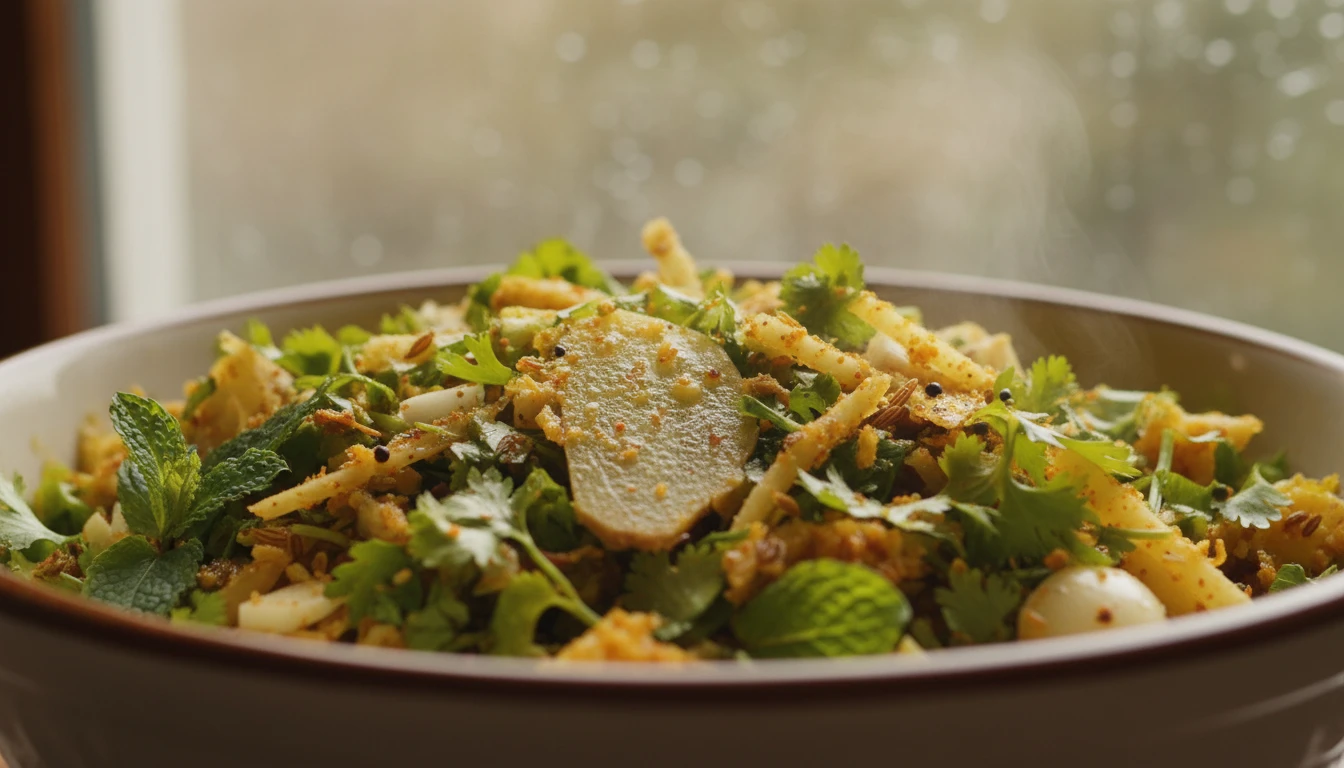
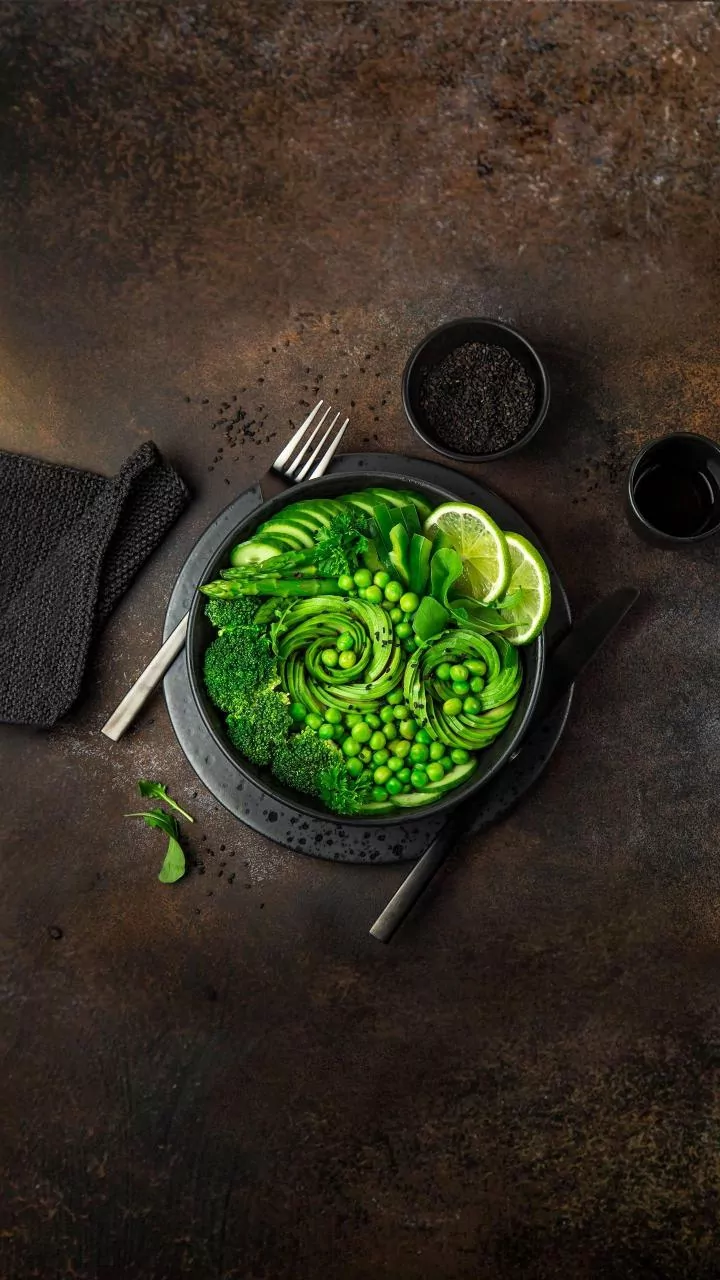
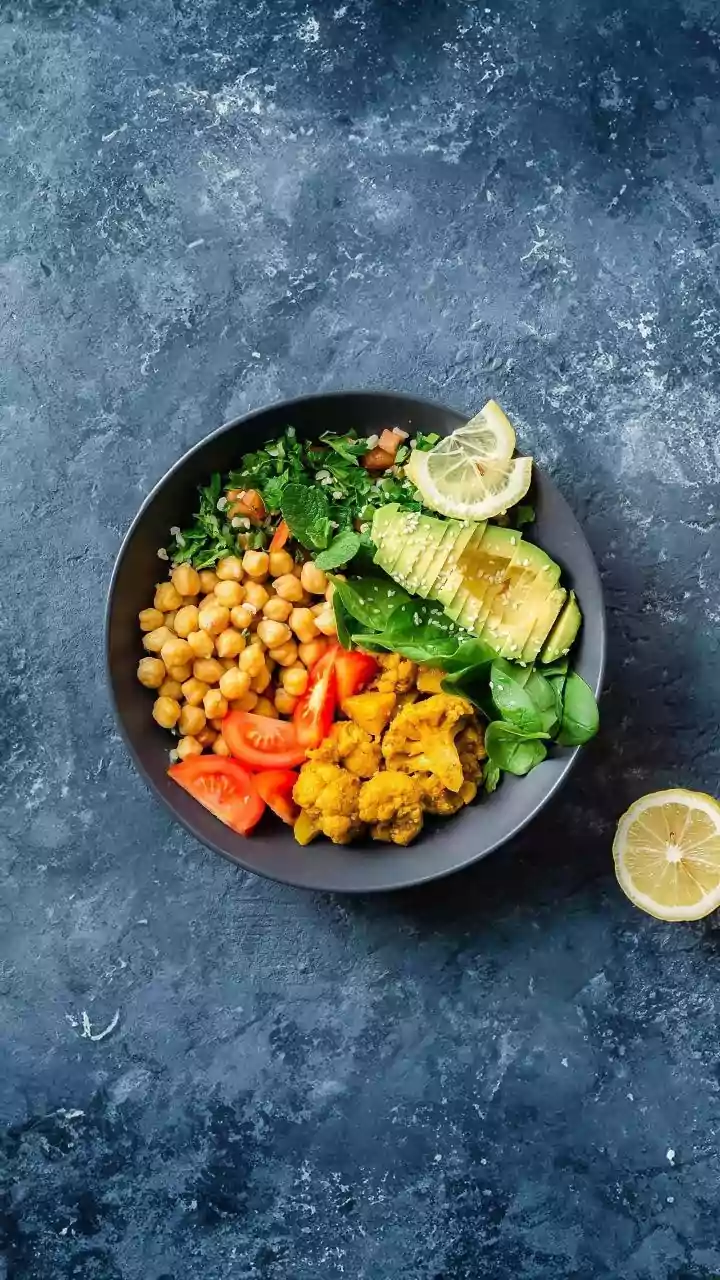
While classic podi is a breakfast hero, its modern iterations, including the flaxseed version, are incredibly versatile. Think beyond idli and dosa. Sprinkle it over avocado toast for a nutty, spicy crunch that rivals everything-bagel seasoning. Toss it with roasted vegetables to create a flavourful crust, or stir it into yoghurt to make a zesty dip for kebabs or chips. It can be mixed into upma, sprinkled over popcorn, or even tossed with pasta for a quick Indo-Italian fusion. By viewing podi as an all-purpose seasoning rather than a niche condiment, its potential in the contemporary kitchen becomes limitless.