








What Sparked the FSSAI Action?
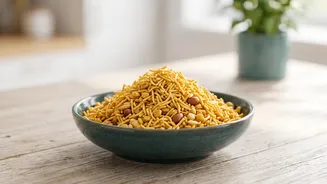
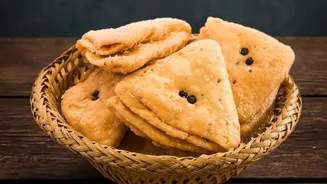
The Food Safety and Standards Authority of India (FSSAI) has directed CG Foods India to stop producing its 'veg bhujia namkeen' at its facility in Ajmer, Rajasthan, following a detailed inspection. The regulator cited a list of serious violations, including
unsafe processing, unlicensed manufacturing, and hygiene issues. During the inspection, officials reportedly discovered shocking practices. These included reprocessing broken noodles that had been collected from the floor and turning them into bhujia products without proper heat treatment. The FSSAI also pointed to the use of predated packaging and the unlicensed manufacturing of 'Wai-Wai MaMa' and 'Wai-Wai Mama Punte' bhujia variants.
A Major Seizure and Legal Action
The FSSAI's action was not merely a notice. The authority seized a massive 32,107 kg of stock from the site, which included loose broken noodles intended for reprocessing. In addition to the raw materials, inspectors also detained 1,925 boxes of expired finished goods. Following these findings, the FSSAI announced that it has initiated strict legal proceedings against the company. The regulator has been clear that production of the affected namkeen products cannot resume until the company obtains the proper approvals and implements corrective measures. Samples of the products, including used cooking oil, were collected for further laboratory analysis, which could lead to further regulatory action.
Who Is CG Foods?
While the name CG Foods might not be instantly recognisable to all, its flagship brand certainly is. The company is the Indian arm of CG Corp Global, headed by Nepali billionaire Binod Chaudhary, often called the 'Noodle King'. Its most popular product is the Wai Wai brand of instant noodles, a household name across India and beyond. The action taken against the company's namkeen line is significant because it involves a major, established player in the packaged foods market. In response to the FSSAI's findings, CG Foods India has stated that it is fully cooperating with the regulatory process and is committed to maintaining the highest standards of food safety and compliance.
Part of a Wider Crackdown
This incident is not happening in isolation. The FSSAI has recently intensified its oversight of the food industry across the board. In the past few months, the regulator has issued over 150 notices to major national and international brands—including Nestlé, PepsiCo, Coca-Cola, and Domino's—for issues ranging from misleading advertisements and false claims to hygiene and labelling violations. This heightened scrutiny is part of a broader push to ensure consumer safety and hold manufacturers accountable. The regular public updates and photos from raids have drawn widespread public attention, signalling a less tolerant approach to food safety lapses.
What This Means for Consumers
For the millions who enjoy packaged snacks like bhujia, this news can be unsettling. The findings at the CG Foods facility, such as reprocessing floor-collected materials, highlight a serious breach of trust and safety protocols. While this doesn't mean all namkeen products are unsafe, it serves as a powerful reminder for consumers to be vigilant. It underscores the importance of checking packaging for FSSAI licenses, expiry dates, and any signs of damage. The FSSAI's role is to act as a watchdog, and actions like these are intended to send a clear message to the entire industry that cutting corners on safety and hygiene will not be tolerated.