




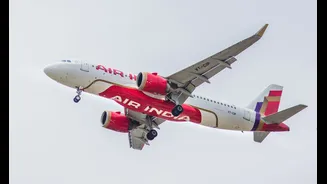
Understanding In-Flight Turbulence
Turbulence is essentially unstable air movement that causes the jolts and bumps we feel during a flight. It can be caused by various factors, including weather fronts, thunderstorms, air moving over mountains, and jet streams—fast-moving rivers of air in the atmosphere.
While pilots have sophisticated weather forecasting tools to avoid most turbulent areas, some forms, like Clear Air Turbulence (CAT), can occur without any visible warning signs like clouds. This is why unexpected jolts can happen even on a seemingly clear day at cruising altitude. It's important to remember that modern aircraft are built to withstand even severe turbulence; the primary risk is not to the plane, but to the people and objects inside it.
The Golden Rule: Keep Your Seatbelt Fastened
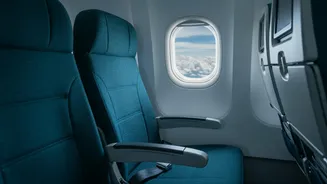
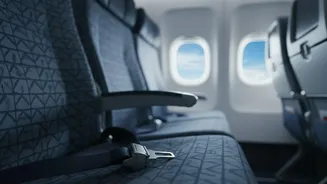
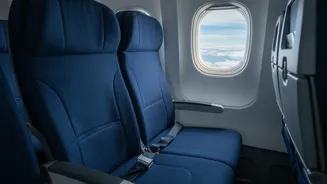
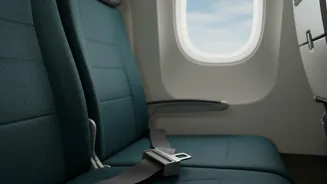
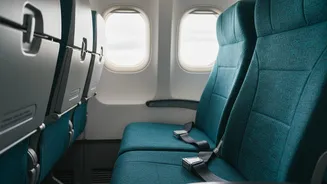
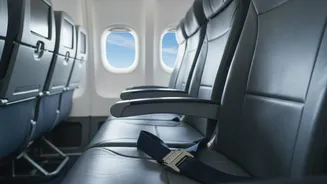
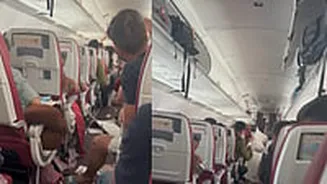
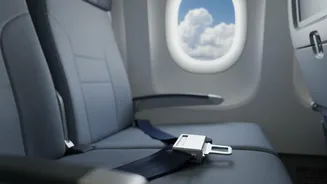
The single most effective way to prevent injury from turbulence is to keep your seatbelt fastened whenever you are seated, even if the seatbelt sign is off. According to aviation safety authorities, almost all serious injuries from turbulence happen to passengers and crew who are not buckled in. During severe, unexpected turbulence, the aircraft can experience abrupt changes in altitude, effectively turning unbuckled individuals and loose items into projectiles. A fastened seatbelt keeps you anchored to your seat, which is your designated safety shell, protecting you from being thrown into the ceiling, other passengers, or solid fixtures within the cabin.
Secure Your Surroundings
Beyond your seatbelt, securing your personal environment is crucial. This means stowing carry-on baggage properly, either in an overhead bin or securely under the seat in front of you. Laptops, tablets, books, and other heavy objects should be put away when not in use, especially when the seatbelt sign is on. During a severe jolt, these items can fall from overhead lockers or fly off tray tables, causing serious injury to you or other passengers. Likewise, ensure your tray table is latched and your seat is in the upright position when instructed, as this clears pathways and minimizes potential impact points during unexpected events.
Listen to the Cabin Crew
Flight attendants are highly trained safety professionals, not just service staff. Their primary role is to ensure passenger safety. Pay close attention to the pre-flight safety briefing and follow their instructions without delay. When they ask you to return to your seat and buckle up, it’s because they have information from the flight deck about anticipated turbulence. In cases of sudden severe turbulence, their first priority is to secure themselves in the nearest available seat. Their guidance before, during, and after a turbulence event is critical for maintaining order and safety for everyone on board.
Traveling with Children
When flying with children, their safety during turbulence requires extra attention. The Federal Aviation Administration (FAA) states that the safest place for a child under two is in a government-approved child restraint system or car seat, not on a lap. While some airlines offer supplementary infant belts that loop into an adult’s seatbelt, they do not provide the same level of protection as a dedicated seat. For older children, ensure they are buckled in whenever they are in their seats. Just like adults, they are vulnerable to injury if they are unsecured during unexpected air movements.