





A Leap on the World Stage
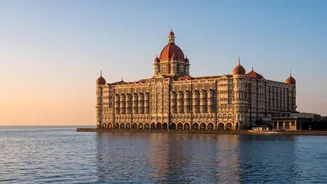
In a significant recognition for Indian hospitality, the Taj Mahal Palace in Mumbai has been named the 30th best hotel on the planet for 2026. This marks an impressive jump from its previous ranking of 38th, solidifying its place as the only hotel from India in the coveted
top 50. The list, often considered a benchmark for global luxury travel, is compiled based on the votes of over 800 international experts, including seasoned travel journalists, hoteliers, and discerning travellers. For the Taj, this isn't just an award; it's a global acknowledgment of its status as a world-class institution.
A Foundation of National Pride
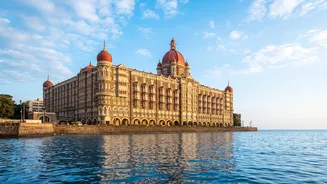
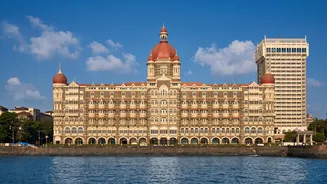
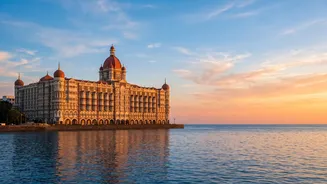
Opened on December 16, 1903, the hotel was the vision of Jamsetji Tata, the founder of the Tata Group. Legend holds that Tata was inspired to build the hotel after being denied entry to a “Europeans-only” establishment in the city. He envisioned a grand hotel that would not only welcome all, but also stand as a symbol of Mumbai's prominence on the world stage. Pre-dating the adjacent Gateway of India by two decades, the hotel was the first sight for ships entering the harbour, its magnificent Indo-Saracenic dome a beacon of Indian enterprise. The architects blended Moorish, Oriental, and Florentine styles to create a structure that remains an architectural marvel.
Pioneering Luxury from Day One
From its inception, the Taj Mahal Palace was ahead of its time. It was the first building in Mumbai to be electrified and the first hotel in the country to have American fans, German elevators, and Turkish baths. It boasted its own power plant and an ice-making machine, defining luxury at the turn of the 20th century. This innovative spirit continued through the decades. The hotel was home to India’s first-ever nightclub and the city’s first 24-hour restaurant. During World War I, it was converted into a 600-bed hospital, and in 1947, Lord Mountbatten gave his final speech in India from its ballroom before the nation's independence.
More Than a Stay, an Experience
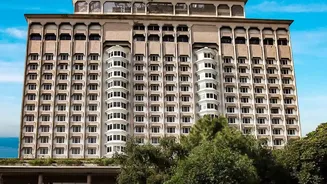
The hotel is comprised of two distinct wings: the original heritage Palace Wing and the contemporary Tower Wing, added in 1973. But beyond the opulent architecture and the 560 rooms lies the soul of the hotel: its hospitality. The service philosophy, often referred to as “Tajness,” is legendary, combining warmth and personalised attention that has drawn maharajas, dignitaries, and celebrities for over a century. The hotel's public spaces are a living museum, adorned with silk carpets, crystal chandeliers, and a vast collection of art. This blend of rich history and flawless modern service is what truly sets it apart, turning every stay into a memorable experience.
A Beacon for Modern India
The hotel's enduring appeal lies in its ability to be both a historic landmark and a dynamic, modern destination. It has hosted everyone from King George V to Barack Obama, Mick Jagger, and Oprah Winfrey. Its resilience, most notably demonstrated after the tragic 2008 terror attacks, has further cemented its place in the heart of the nation. The Taj is more than a hotel; it is an inseparable part of Mumbai's identity and a symbol of India's strength. This latest accolade from The World's 50 Best Hotels is not just a ranking—it is a global recognition of a landmark that embodies the spirit and hospitality of India itself.