





What is Specialty Coffee?
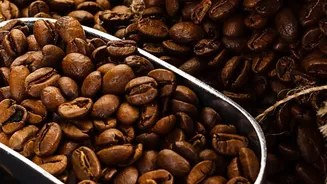
At its heart, the specialty coffee movement is about treating coffee like wine, with an appreciation for 'terroir'—the unique environment where the beans are grown. This means paying attention to the specific region, farm, and even the processing method
used after the coffee cherry is picked. Unlike commercial blends that aim for a uniform taste, specialty coffee celebrates the distinct flavour profiles that come from a particular place. The movement, which began in the US in the 1990s, has found fertile ground in India, where brands like Blue Tokai, Third Wave Coffee, and Araku Coffee are bringing single-origin Indian beans to the forefront. For the first time, many Indians are tasting the true diversity of coffee grown just a few hundred kilometres from their homes.
A Journey Through India's Coffee Belt
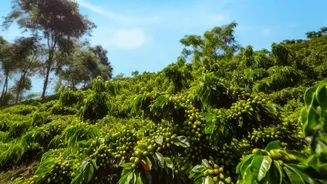
India's coffee-growing regions are primarily concentrated in the Western and Eastern Ghats, with each area offering a genuinely different tasting experience. Karnataka is the traditional heartland, home to Chikmagalur and Coorg. Chikmagalur, where coffee was first planted in India, is known for Arabica beans with floral, citrus, and berry notes. Coorg, the country's largest coffee-producing district, offers a rounder, fuller-bodied cup with notes of chocolate and mild spice. A truly unique creation is the Monsooned Malabar, where beans are exposed to monsoon winds, resulting in a low-acidity coffee with a bold, earthy flavour found nowhere else in the world. Further east, the Araku Valley in Andhra Pradesh has become a remarkable success story. Coffee grown by local tribal communities, often using organic methods, is gaining international acclaim for its bright acidity and stone fruit notes.
The People Behind the Movement
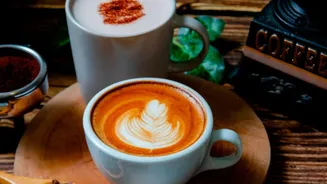
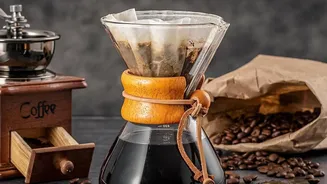
This coffee revolution is being driven by a new generation of roasters, cafe owners, and increasingly, empowered farmers. Entrepreneurs are working directly with coffee estates to improve quality and experiment with innovative processing methods like honey-sun drying and anaerobic fermentation, which can unlock complex new flavours. This direct trade model often means better prices and a more sustainable livelihood for smallholder farmers, who make up the vast majority of India's coffee growers. On the consumer side, the proliferation of cafes and the rise of home brewing have created a more educated and curious coffee drinker. Spurred by the work-from-home culture that blossomed during the pandemic, many people began experimenting with equipment like pour-overs and French presses, developing a palate for more nuanced brews.
From Local Farms to Global Recognition
For years, India exported its best beans while the domestic market was dominated by instant coffee. That is rapidly changing. The Indian specialty coffee market is projected to grow significantly, reaching an estimated value of over USD 6.5 billion by 2031. This growth isn't just happening in major metros like Mumbai, Delhi, and Bengaluru; e-commerce platforms and subscription services are making high-quality beans accessible to consumers in smaller cities and towns as well. As Indian consumers embrace the rich agricultural heritage in their own backyard, the world is also taking notice. Indian specialty coffee, once a well-kept secret, is now finding its place on the global stage, celebrated for its unique, spice-inflected, and complex character.