





The Sacred Start: Community Bhog
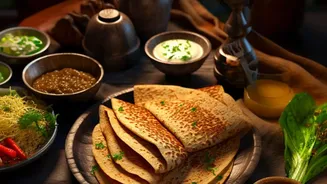
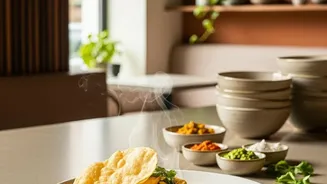
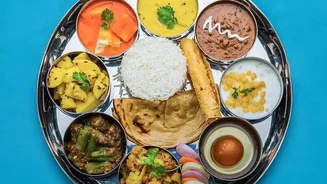
Your culinary journey begins at the pandal with 'bhog', the sacred food offered to the goddess and then distributed to devotees. This isn't just a meal; it's a blessing served on a plate. The star of the show is the bhoger khichuri, an aromatic one-pot
dish of roasted moong dal and fragrant gobindobhog rice, cooked without onion or garlic. It is traditionally served with labra, a medley of seasonal vegetables, and beguni, which are crisp brinjal fritters. The experience of sitting in a communal line, partaking in a meal shared by hundreds, is the spiritual heart of the Pujo feast. This simple, soulful vegetarian meal embodies a sense of community and devotion that is unique to the festival.
The Street Food Frenzy
Once you step out of the pandal, the sacred gives way to the delightfully chaotic. The streets of Kolkata come alive with vendors serving an endless variety of snacks, perfect for fueling your pandal-hopping adventure. You cannot miss the phuchka, Kolkata’s iconic version of pani puri, where each bite is an explosion of tangy, spicy flavour. Another on-the-go essential is the kathi roll, a flaky paratha wrapped around a succulent filling of chicken, mutton, or egg, seasoned with sauces and sliced onions. Also look for stalls selling various chops and cutlets—from fish and mutton to vegetable—best enjoyed with a dollop of kasundi, the sharp Bengali mustard sauce. And for something truly local, try ghugni, a warm, spiced curry made from dried yellow peas, often topped with chopped onions and a squeeze of lime.
An Affair with Sweets
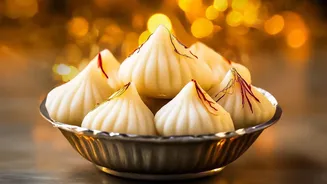
In Bengal, no celebration is complete without mishti (sweets). During Pujo, sweet shops are at their brilliant best, their counters laden with an overwhelming variety of treats. Of course, you have the classics like rosogolla and creamy mishti doi (sweet yogurt). But this is the time to be adventurous. Look for sandesh in its many forms, from the simple kora paak (hard) to the melt-in-the-mouth nolen gurer (date palm jaggery) versions. Many pandals and street stalls also serve malpua, a syrupy fried pancake, and payesh, a slow-cooked rice pudding. A stop at a legendary sweet shop in North or South Kolkata is a non-negotiable part of the Pujo food trail.
The Modern Midnight Feast
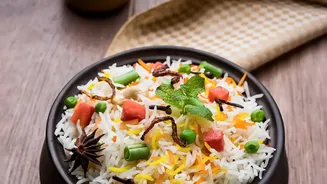
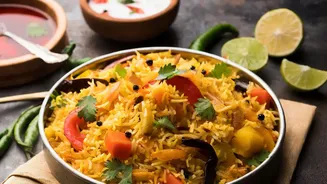
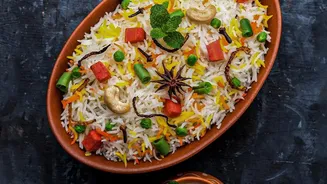
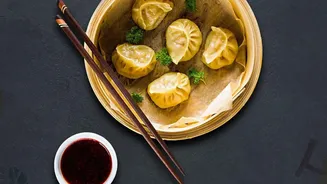
The food traditions of Durga Puja are constantly evolving. While bhog and street snacks are timeless, the modern Pujo experience is often capped with a hearty sit-down meal, and one dish reigns supreme: biryani. The Kolkata-style biryani, with its signature soft potato and subtly spiced rice and meat, has become an unofficial festive staple. Restaurants across the city do brisk business, with families queuing up late into the night for their share. This reflects how the city has seamlessly woven Mughlai heritage into its biggest Hindu festival. Alongside biryani, you'll find a huge demand for 'Calcutta Chinese'—the city's unique take on dishes like chowmein and chilli chicken—and rich Bengali preparations like kosha mangsho (slow-cooked mutton curry) served with fluffy luchis (deep-fried bread).
How to Plan Your Food Trail
Tackling Kolkata’s Pujo feast requires a strategy. First, don't try to eat everything in one day. Pace yourself. Perhaps start your afternoon with bhog at a neighbourhood pandal, spend the evening snacking on street food while you hop between pandals, and plan for a late biryani dinner. Go with a group of friends so you can share and sample more dishes. Wear comfortable shoes, as you will be doing a lot of walking. Finally, embrace the chaos. The queues, the crowds, and the symphony of sounds and smells are all part of the unforgettable experience. The trail is not just about what you eat, but how and where you eat it—in the middle of the biggest street party of the year.