






Beyond the 'Fresh is Best' Mantra
The belief that only fresh produce is truly nutritious is a common misconception. In reality, canned foods can be just as healthy as their fresh and frozen counterparts. The canning process, which involves heating food to kill harmful bacteria and sealing
it in an airtight container, preserves many nutrients. While some water-soluble vitamins like C can be slightly reduced, the process can also make other nutrients more available. For example, the antioxidant lycopene in tomatoes becomes more easily absorbed by the body after the heating process involved in canning. Furthermore, produce destined for canning is picked at its peak ripeness, locking in flavour and nutritional quality that might be lost when fresh produce travels long distances to the supermarket.
The Power of Affordability and Convenience
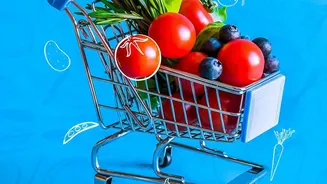
One of the most significant advantages of building a pantry with shelf-stable items is the benefit to your wallet and your schedule. Canned vegetables can be up to half the cost of frozen and 20 percent cheaper than fresh, making healthy eating more accessible. This affordability allows families to stock up on nutritious essentials without financial strain. The convenience is undeniable; having pre-cooked beans, chopped tomatoes, or fish ready to go can transform a frantic weeknight into a manageable mealtime. This long shelf life also dramatically reduces food waste, a common problem when fresh fruits and vegetables spoil before they can be used. A well-stocked pantry means you always have the foundation for a healthy meal, cutting down on last-minute, less-healthy takeaway orders.
Your Smart Shopper's Guide to the Pantry Aisle
Navigating the canned goods aisle successfully comes down to reading the labels. To make the healthiest choices, look for vegetables with “no salt added” or “low sodium” on the packaging. For canned fruits, opt for those packed in 100% juice or water, not heavy syrup, to avoid unnecessary added sugars. A simple ingredients list is usually a good sign; the best options contain just the food item, water, and perhaps a little salt. Many brands now offer cans with BPA-free linings, which is another factor to consider. If you can only find regular salted versions of beans or vegetables, don't worry. A thorough drain and rinse under cold water can reduce the sodium content by a significant amount.
Pantry All-Stars to Stock Up On
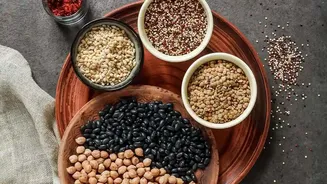
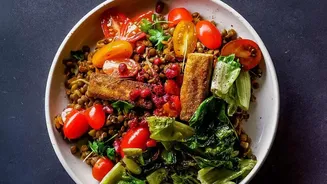
Certain canned goods are nutritional powerhouses that offer incredible versatility. Canned tomatoes, for instance, are perfect for creating bases for soups, curries, and pasta sauces. Legumes like chickpeas, lentils, and black beans are fantastic sources of plant-based protein and fibre, ready to be tossed into salads or curries in minutes. Canned fish such as tuna, salmon, and sardines are excellent and affordable sources of protein and heart-healthy omega-3 fatty acids. Don't overlook canned pumpkin for its high fibre content or even basics like corn and peas, which retain much of their nutritional value. Having a variety of these staples on hand makes it easy to add a boost of nutrients to any meal with minimal effort.