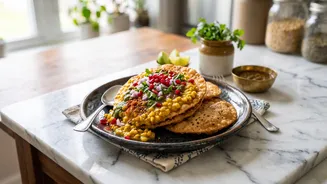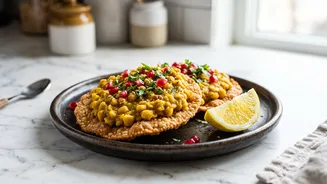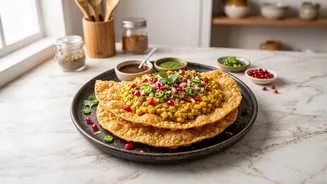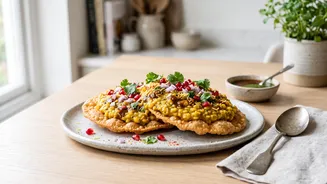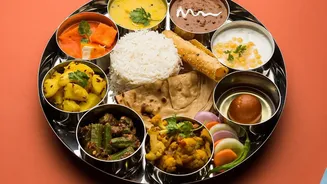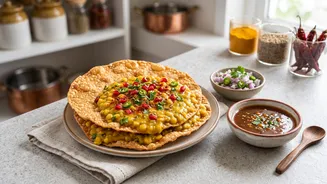



Dive into the heart of Sindhi cuisine with Dal Pakwan, a beloved breakfast that combines textures and flavours in one perfect bite. This dish, featuring a comforting lentil stew and a shatteringly crisp flatbread, is a culinary story of heritage and resilience.
A Taste of History
Dal Pakwan is more than just a meal; it’s a cherished tradition in Sindhi households, often served during celebrations, festivals, and lazy Sunday mornings. Its origins trace back to the arid region of Sindh, now in Pakistan, where the cuisine was shaped by necessity. The pakwan, a deep-fried, crispy bread, was ideal for storage and travel, while the nutritious chana dal provided a hearty, satisfying accompaniment. After the partition in 1947, the Sindhi community carried this culinary treasure with them, and it has since become a symbol of togetherness and cultural pride, enjoyed by people across India.
The Soul: Spiced Chana Dal
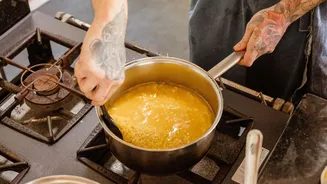
The foundation of this dish is a simple yet flavourful chana dal (split Bengal gram). The key is to cook the lentils until they are soft and tender, but not mushy—each grain should hold its shape. To begin, wash and soak one cup of chana dal for at least an hour, which helps it cook more evenly. Pressure cook the soaked dal with water, salt, and a pinch of turmeric powder for about 4-5 whistles. Once cooked, prepare a tempering, or 'tadka'. Heat ghee or oil in a small pan, and crackle cumin seeds. You can also add slit green chillies, asafoetida (hing), and curry leaves for extra aroma. Pour this sizzling tempering over the cooked dal, stir gently, and let it simmer for a few minutes to absorb the flavours. The final consistency should be thick enough to be easily scooped up with a piece of pakwan.
The Crunch: Perfectly Crisp Pakwan
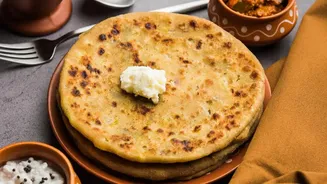
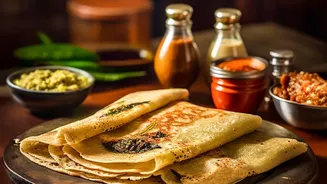
The pakwan is what gives the dish its signature textural contrast. Making it perfectly crisp is an art. The dough is typically made from all-purpose flour (maida), though some recipes use a mix of maida and whole wheat flour (atta). To make the dough, combine the flour with salt, carom seeds (ajwain), and cumin seeds. A crucial step is adding a few spoons of hot oil or ghee to the flour and rubbing it in to create a crumbly texture; this is what makes the pakwan crisp. Knead a stiff dough using a little water at a time and let it rest for about 30 minutes. Roll out the dough into very thin discs, and most importantly, prick them all over with a fork. This prevents the pakwan from puffing up like a puri while frying. Deep fry on a medium flame until golden brown and perfectly crisp. Once cooled, these can be stored in an airtight container for several days.
The Tang: Essential Tamarind Chutney
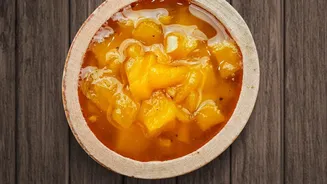
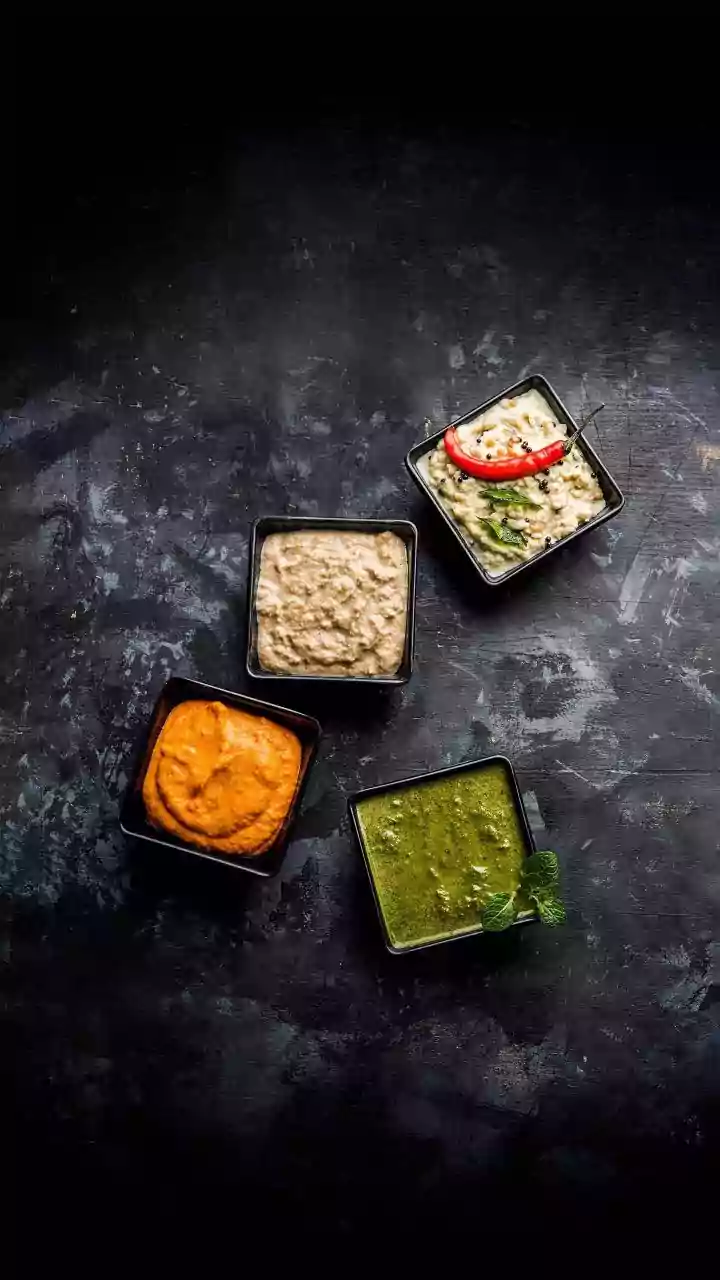
No Dal Pakwan is complete without the sweet and tangy kick of tamarind chutney, or imli chutney. This condiment beautifully balances the savoury dal and the plain, crispy pakwan. To make it, soak a block of seedless tamarind in hot water for about 30 minutes until it softens. Mash the pulp well and strain it through a sieve to get a thick liquid, discarding the fibres. In a saucepan, bring the tamarind extract to a boil and add jaggery or sugar for sweetness. Season with a pinch of salt, red chilli powder, roasted cumin powder, and ginger powder. Simmer the chutney until it thickens to a syrup-like consistency; it will thicken further as it cools. This chutney is not only essential for Dal Pakwan but is also a versatile condiment for many other Indian snacks.
How to Serve Dal Pakwan
The joy of Dal Pakwan lies in its assembly. Traditionally, the dal is served in a bowl, generously topped with chopped raw onions, fresh coriander leaves, and a drizzle of both tamarind chutney and a spicy green chutney. The crispy pakwans are served on the side, ready to be broken into pieces and used as an edible spoon to scoop up the delicious dal. Some prefer to place a pakwan on a plate, lightly crush it, and then pour the dal and chutneys over it, creating a chaat-like experience. However you choose to enjoy it, the combination of the warm, spiced dal, the crunchy pakwan, and the tangy chutneys creates a truly unforgettable breakfast.