





Why Whole Grains for a Happy Gut?
The key to the digestive power of whole grains lies in their fibre content. Unlike refined grains, which are stripped of their outer layers, whole grains retain the bran, germ, and endosperm. This means you get all the nutrients, including insoluble fibre,
which adds bulk to stool and helps prevent constipation, promoting regularity. Furthermore, certain fibres in whole grains act as prebiotics, which are essential food for the beneficial bacteria in your gut. A healthy gut microbiome is linked to everything from better immune function to improved mood, making a fibre-rich breakfast a powerful start to your day.
The Best Grains for Your Breakfast Bowl
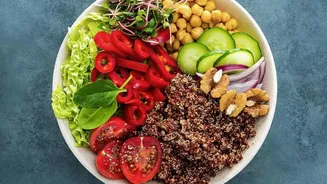
While oats are a classic choice, the world of whole grains is vast and exciting. To create a truly varied bowl, consider rotating through different options. Millets like ragi (finger millet) and bajra (pearl millet) are not only gluten-free but have been staples in Indian cuisine for centuries. They are packed with nutrients and lend a unique texture to porridges. Quinoa, technically a seed, is celebrated for being a complete protein containing all nine essential amino acids. Barley has one of the highest fibre levels, while amaranth offers a nutty flavour and a boost of magnesium. Don't be afraid to experiment to find your favourites.
Simple Preparation for Better Digestion
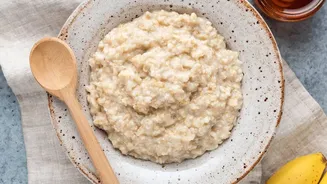
How you prepare your grains can be as important as which ones you choose. For many, simply cooking the grain according to package directions works perfectly well. An easy method is the 'pasta method': boil a generous amount of water, add your grains, and cook until they reach your desired tenderness before draining. For those with more sensitive stomachs, soaking grains overnight can be beneficial. This process can help break down phytic acid, an anti-nutrient that can make minerals harder to absorb and may cause bloating for some individuals. Simply cover your chosen grain with water, add a splash of lemon juice or vinegar, and let it sit on the counter overnight before draining and cooking.
Building a Balanced and Varied Bowl
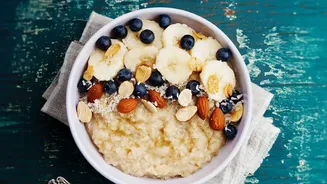
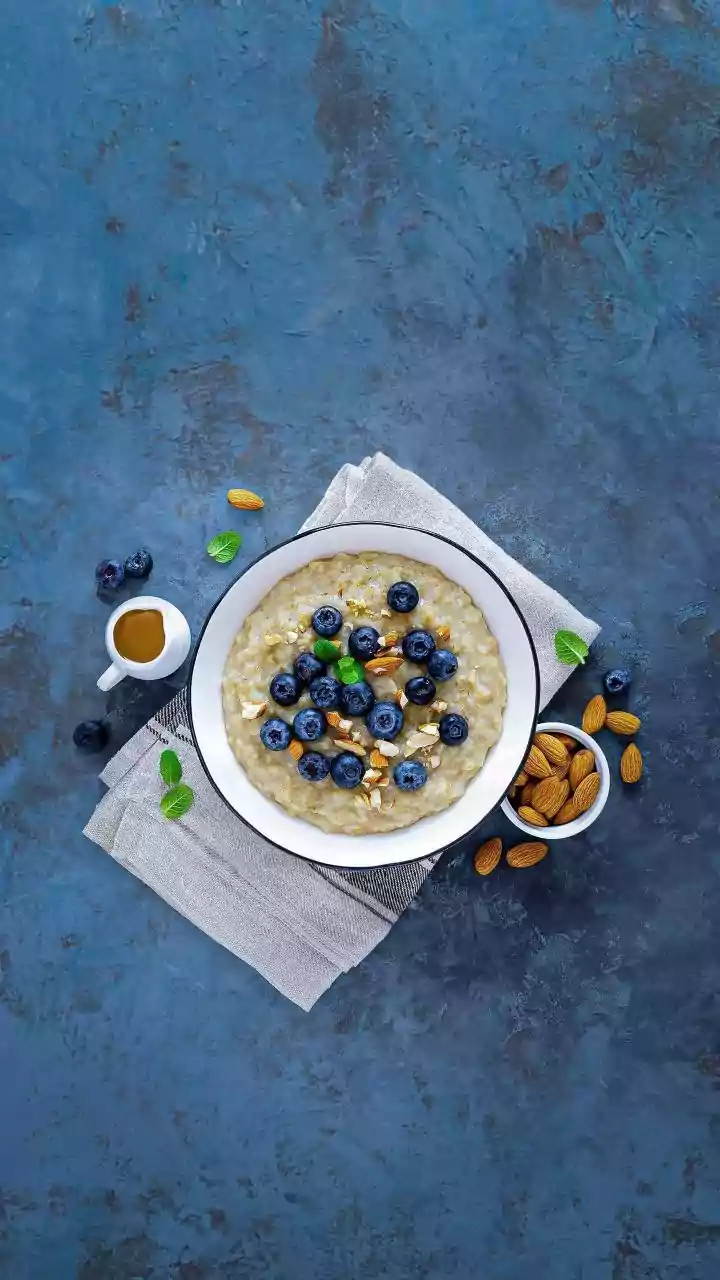
A great breakfast bowl is about more than just the grain. It’s about balance in flavour, texture, and nutrition. Once you have your cooked grain base, think about adding other gut-friendly components. A scoop of plain yogurt or kefir provides probiotics, the 'good' bacteria that support a healthy digestive system. Top your bowl with a variety of fruits like berries, which are high in antioxidants, or a sliced banana for prebiotics. For healthy fats, protein, and a satisfying crunch, add a sprinkle of nuts and seeds, such as chia seeds, flaxseeds, or almonds. Using a different combination each day keeps breakfast interesting and provides a wider range of nutrients.
Tips for a Smooth Transition
If you are new to eating a high-fibre diet, it’s wise to start slowly to allow your digestive system to adapt. Begin with smaller portions and see how you feel. Pay attention to labels when you shop; look for the words '100% whole grain' to ensure you're getting the full benefits. Remember that there isn’t one single 'healthiest' whole grain; variety is key, as each grain offers a different profile of vitamins and minerals. For instance, teff is high in calcium, while wild rice is rich in zinc. By rotating your choices, you ensure a broader spectrum of nutrients.