




The Social Pulse of Zumba
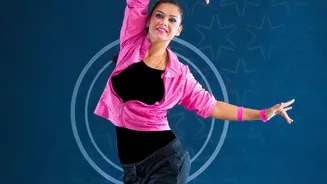
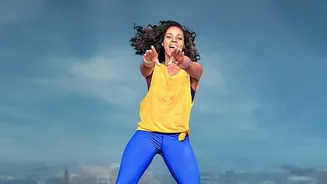
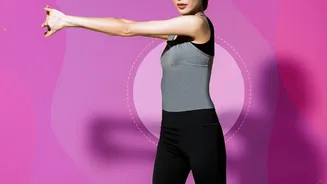
Zumba is essentially a dance party disguised as a workout. Its core appeal lies in its high-energy, instructor-led format set to upbeat Latin and international music. The primary mood boost comes from a powerful combination of rhythmic movement and social
connection. Dancing in a group fosters a sense of community and can reduce feelings of isolation, which are significant factors in overall emotional health. Physiologically, this type of structured dance helps your body release endorphins—the brain's natural mood elevators—while simultaneously lowering levels of the stress hormone cortisol. The focus required to follow the choreography also acts as a form of active mindfulness, pulling you away from daily anxieties and into the present moment. For those who thrive on shared energy and structured fun, the vibrant, non-judgmental atmosphere of a Zumba class is a powerful spirit-lifter.
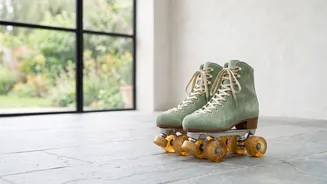
The Solo Flow of Roller Skating
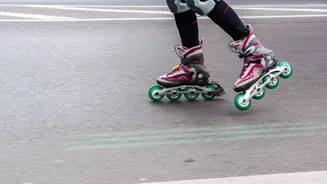
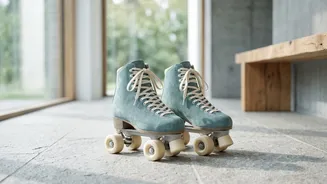
Roller skating offers a different path to a better mood, one rooted in freedom and flow. The concept of a "flow state," a term for being fully immersed in an activity, is central to skating's appeal. Achieving this state requires a blend of balance and coordination that focuses the mind, effectively silencing the mental chatter of everyday stress. The repetitive, gliding motion can be meditative, allowing your mind to relax while your body moves almost intuitively. This sense of mindful movement can be incredibly therapeutic. While skating can certainly be social, it also offers a powerful solo experience. Mastering new skills, from simply staying upright to executing a turn, provides a tangible sense of accomplishment that builds confidence. For many, there's also a nostalgic element that adds to the joy, and the ability to skate outdoors introduces the added mental health benefits of fresh air and sunshine.
The Physical Payoff
Both activities provide an excellent aerobic workout, but their physical demands differ. Zumba is a form of interval training, alternating between high-intensity and lower-intensity dance moves. A typical hour-long class can burn between 300 and 600 calories, depending on your effort and body weight. It’s considered a full-body workout that improves cardiovascular health, coordination, and core strength. Roller skating is also a fantastic cardio exercise, with a moderate pace burning around 400-500 calories an hour for an average person. It primarily targets the lower body, especially the glutes and leg muscles, while also engaging the core for stability. Skating is often considered a lower-impact activity on the joints compared to running, though the risk of falling is a key consideration.
The Verdict: Your Fun, Your Choice
As the headline suggests, a mood boost is never guaranteed. The effectiveness of either Zumba or roller skating depends entirely on your personality and what you find genuinely enjoyable. If you're an extrovert who loves music and draws energy from a group, Zumba's structured, party-like atmosphere is likely a winning formula. The built-in social aspect provides motivation and a sense of belonging that can be just as important as the physical exercise itself. Conversely, if you crave a feeling of freedom, personal challenge, and a meditative escape, roller skating might be your ideal match. It offers a path to mindfulness through motion and a deep sense of personal accomplishment as you master the skill. It caters to those who enjoy setting their own pace, whether that means gliding solo down a path or joining a skate crew at the park.