







Decoding the Staggering Forecast
Analyst firm Gartner has turned heads with its latest worldwide IT spending forecast. It projects that spending on data-centre systems will skyrocket to $822 billion in 2026, marking a staggering 62.5% increase from 2025. This makes it, by a wide margin,
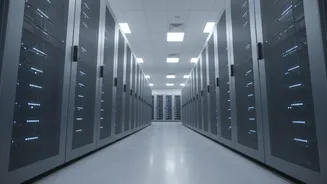
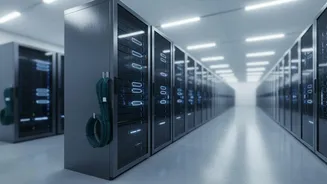
the fastest-growing segment in the entire IT landscape, outpacing software, devices, and IT services. But what exactly falls under 'data-centre systems'? This category includes the servers, storage, and networking equipment that form the physical backbone of the digital world. This isn't just a minor budget increase; it represents a fundamental re-prioritisation of corporate and hyperscale spending, driven by a single, powerful force.
The AI Engine Fueling the Boom
The primary driver behind this unprecedented spending spree is the artificial intelligence revolution. Training and running advanced AI models, especially generative AI, requires immense computational power. This is fuelling a historic build-out of AI-optimised infrastructure. Gartner analyst John-David Lovelock described the effort to build the required compute capacity for AI as "the largest infrastructure project ever attempted by humanity." Unlike traditional applications, AI workloads are incredibly demanding, necessitating high-performance servers packed with specialised chips like GPUs. These AI servers are five to ten times more expensive than general-purpose servers and consume significantly more power, directly contributing to the surge in data centre spending.
Power, Not Just Capital, Is the New Bottleneck
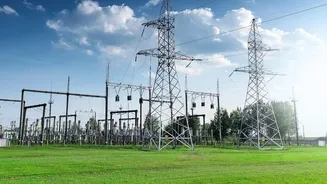
This boom is creating new challenges. The explosive growth in data centres is putting a massive strain on electricity grids worldwide. Global data centre power demand is expected to rise dramatically, with some forecasts predicting a 165% increase by 2030. In fact, access to reliable power has overtaken land and even capital as the main constraint on data centre development. As a result, companies are not just buying servers; they are fundamentally rethinking facility design, investing in advanced liquid cooling solutions, and seeking long-term renewable power agreements to ensure their multi-billion dollar investments can operate efficiently and sustainably.
The Indian Context: A Structural Growth Story
This global trend has profound implications for India, which is rapidly emerging as a strategic data centre hub. The country's data centre market is set for a massive expansion, with capacity projected to grow nearly fourfold to over 7 GW by 2030, driven by both global trends and local factors. The government's emphasis on data localisation under policies like the Digital Personal Data Protection Act, combined with the explosive growth of India's digital economy, has created a fertile ground for investment. Major hyperscalers like Microsoft and Google, alongside domestic players like AdaniConneX and Yotta, are pouring billions into building new, large-scale data centres in hotspots like Mumbai, Chennai, Hyderabad, and Noida. For India, this is not just about IT infrastructure; it's a strategic opportunity to become the world's AI backbone.
What This Means for Your Business
For businesses in India, this shift in the technology landscape is more than just a headline; it's a strategic call to action. The surge in AI-driven infrastructure spending will have ripple effects. Firstly, the cost of cloud services, particularly those involving AI and machine learning, may evolve as providers pass on the costs of their massive infrastructure investments. Secondly, it reinforces the need for every company to have a clear AI strategy. The infrastructure is being built to support an AI-first world, and businesses that fail to adapt will be left behind. Finally, it presents an opportunity. The build-out of local data centres can offer Indian enterprises lower latency, improved data sovereignty, and access to cutting-edge AI services, creating a new playing field for innovation and competitive advantage.