



Understanding the Recent Floods
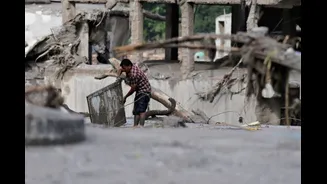
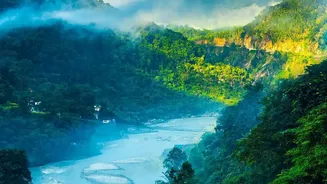
In late August 2026, a glacial collapse triggered devastating flash floods in north-central Nepal, primarily impacting the Rasuwa and Nuwakot districts. The sudden surge of water in the Bhote Koshi and Trishuli river corridors destroyed villages, bridges,
and critical infrastructure, leading to a tragic loss of life and a significant rescue effort. The disaster's impact was concentrated in this specific geographical area, known as a gateway for treks to Langtang and for pilgrimages to Mount Kailash in Tibet. However, the images of destruction have understandably caused confusion and concern among international travellers, prompting many to question the safety of visiting the country at all.
A Clear Message: 'Nepal Is Open'
In the face of potential mass cancellations, Nepalese authorities have been quick to launch a communications campaign under the hashtag #NepalCalling. The core message from Tourism Minister Khadak Raj Paudel and the Nepal Tourism Board (NTB) is one of careful distinction. They stress that while the tragedy in the affected regions is immense, it does not reflect the situation across the entire nation. The government is urging travellers not to abandon their plans, highlighting that a visit now is not just a holiday but a crucial form of support for a nation whose economy heavily relies on tourism. The NTB has set up information desks and response teams to provide timely and accurate updates, aiming to restore traveller confidence ahead of the critical autumn trekking season.
Unaffected and Welcoming Visitors
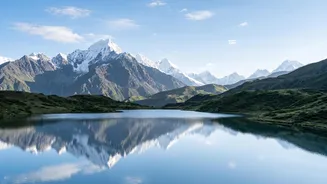
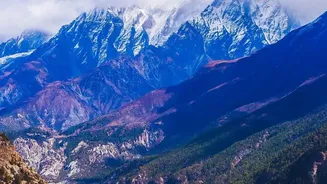
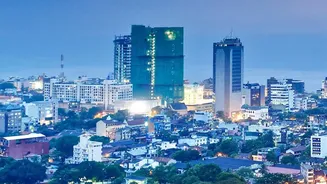
The good news for those with upcoming trips is that most of Nepal's premier tourist destinations were not directly impacted by the floods and remain fully operational. Major hubs like the capital, Kathmandu, and the lakeside city of Pokhara are safe and accessible, with airports operating normally. The world-renowned trekking regions of Everest and Annapurna are also far from the flood zone and continue to welcome adventurers. Other popular areas declared open and safe include Chitwan, Lumbini, Manaslu, Kanchenjunga, and Dhaulagiri. This geographical separation is key; many of these areas are on higher ground or in different river valleys, insulating them from the specific disaster that struck the Rasuwa district.
Areas Requiring Caution and Patience
Travel to the areas directly hit by the floods is, of course, not advisable. The primary zone of disruption is northern Rasuwa district, particularly the areas around Syabrubesi and Timure, which serve as the main access points for the Langtang Valley trek. While the upper parts of the Langtang trekking area may be physically safe, the usual road access has been severely damaged. Authorities have advised travellers to avoid several specific roadways, including the Galchhi–Nuwakot–Rasuwa–Syafrubesi road, until they are declared safe. Anyone planning to trek in regions near the affected river corridors, such as Ganesh Himal or Ruby Valley, will need to wait for official updates on alternative routes and overall safety.
How to Plan Your Trip Now
For travellers from India and elsewhere, proceeding with a trip to Nepal is still very much possible with sensible planning. The most important step is to gather current, destination-specific information. Rely on official sources like the Nepal Tourism Board and consult directly with your local tour operator or hotel in Nepal. They will have the most up-to-date information on ground conditions. If your itinerary included the Langtang region, speak with your travel agent about excellent alternative treks in the Annapurna, Everest, or Manaslu regions. It's also wise to monitor weather reports and build some flexibility into your travel dates. Responsible tourism is now more important than ever, and your visit can play a vital role in supporting the livelihoods of countless Nepalese communities as they begin the long process of recovery.