




Thinking of hiking but not sure where to start? It's simpler than you think. Forget gruelling climbs and fancy gear; the best way into nature is often a simple walk on a trail with good company and a few basic tips.
Better Together: The Joy of a Hiking Buddy
The secret to falling in love with hiking
isn't a breathtaking summit; it's sharing the journey. Hiking with friends transforms a physical activity into a social one, reducing how much effort it feels like you're putting in. Conversations flow more easily outdoors, and shared experiences, like navigating a trail or overcoming a small challenge, build lasting bonds. More importantly, there's safety in numbers. A companion can help if you get lost, offer encouragement, or simply make the woods feel less intimidating. If your friends aren't hikers yet, start by inviting them on a short, easy walk. You can also find local hiking clubs or online groups to connect with like-minded people. The goal is to make it fun, not a forced march.
Gearing Up (Without Breaking the Bank)
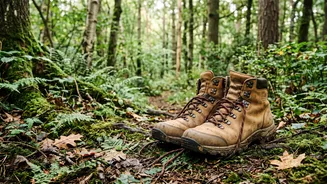
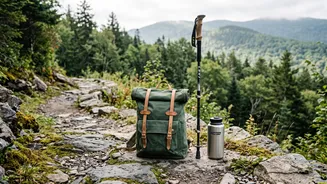
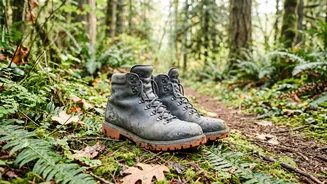
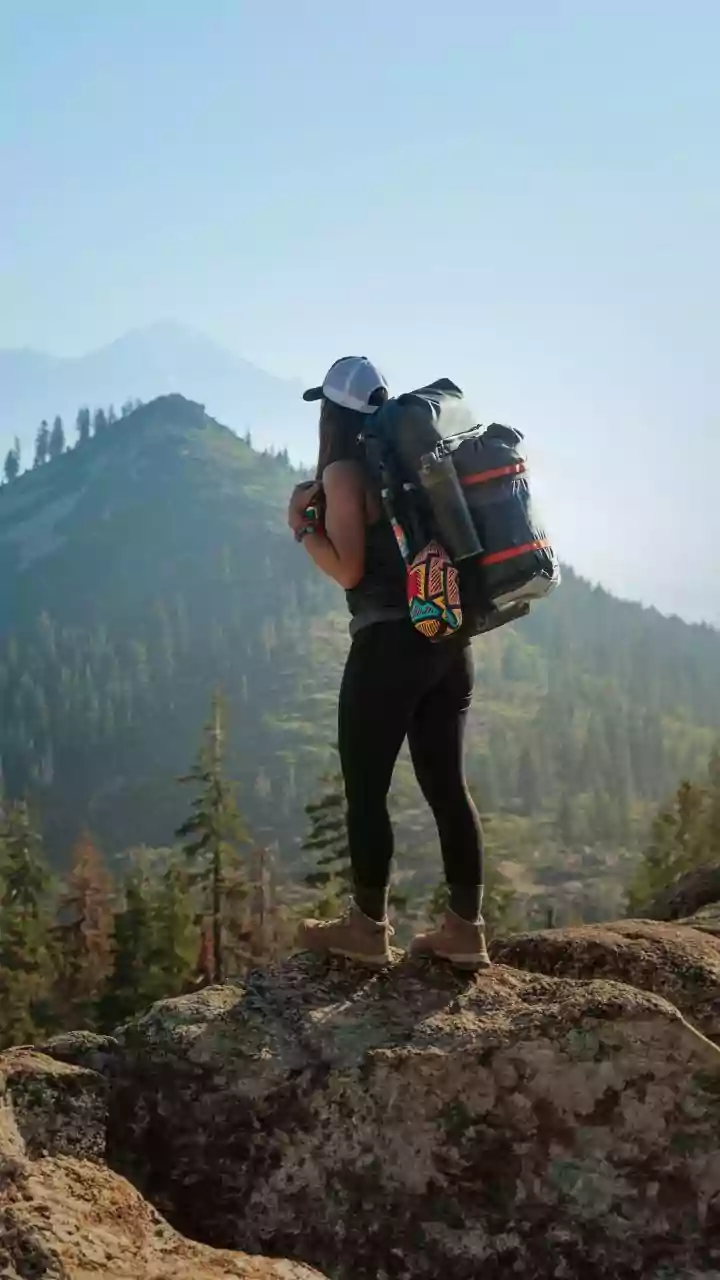
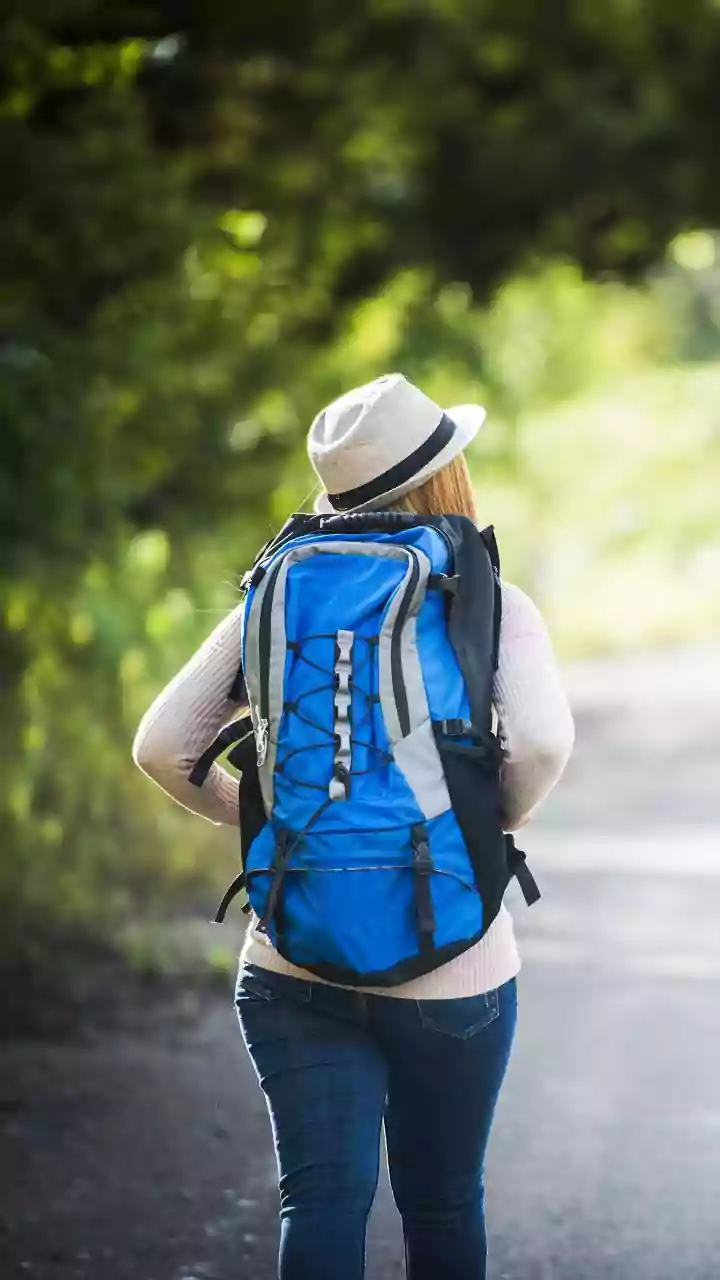
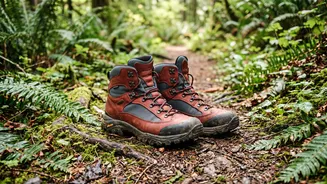
You don't need a mountain of expensive equipment to start. Focus on the basics that ensure comfort and safety. The most crucial item is proper footwear; comfortable shoes with good grip are more important than a brand-new pair of stiff hiking boots that could cause blisters. Dress in layers with moisture-wicking fabrics rather than cotton, which holds sweat and can make you cold. A small backpack is all you need to carry the essentials: plenty of water, some snacks for energy, a simple first-aid kit, and your phone. Sunscreen and a hat are also non-negotiable, even on cloudy days. You can invest in more specialized gear like trekking poles or GPS devices later if you decide hiking is your new passion.
Mastering the Basic Moves
If you can walk, you can hike. The core of hiking technique is about moving efficiently and safely. Find a steady rhythm between your breathing and your stride that you can maintain without getting winded. It’s better to go at a slow and steady pace than to rush and need constant breaks. When going uphill, take smaller steps and use the 'rest step'—a brief pause with a straight back leg—to conserve energy. On downhills, keep your knees slightly bent to absorb impact. Pay attention to the trail, watching for loose rocks or slippery roots. And always listen to your body; if you're tired, take a break.
Choosing Your First Adventure
The key to a great first hike is choosing the right trail. Start small and simple. Look for trails labelled 'easy' that are relatively short, perhaps 3–5 miles, with minimal elevation gain. Loop trails are excellent for beginners because the scenery is always changing and you end up back where you started. Use apps or local park websites to find trails near you; they often provide details on distance, difficulty, and terrain. Before you go, honestly assess your fitness level. Picking a hike that matches your ability ensures you'll have a positive, empowering experience that leaves you wanting more, rather than feeling defeated.
Simple Safety for Peace of Mind
Preparation is the foundation of a safe hike. The single most important rule is to always tell someone where you are going and when you expect to be back. Before you leave, check the weather forecast and be prepared for conditions to change. Make sure your phone is fully charged, and consider downloading an offline map of your trail area. While on the trail, be aware of your surroundings and any trail markers like blazes or signs to ensure you're on the right path. And remember to follow 'Leave No Trace' principles: pack out everything you pack in, respect wildlife, and leave the trail as you found it for others to enjoy.