




What is Starlink?
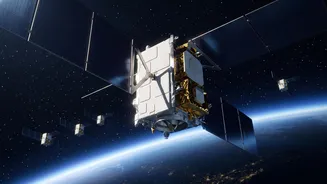
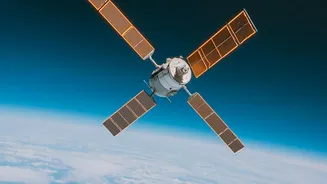
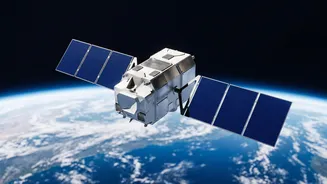
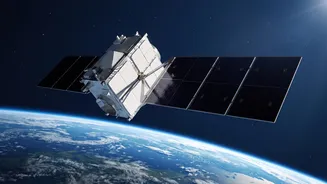
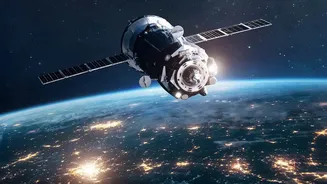
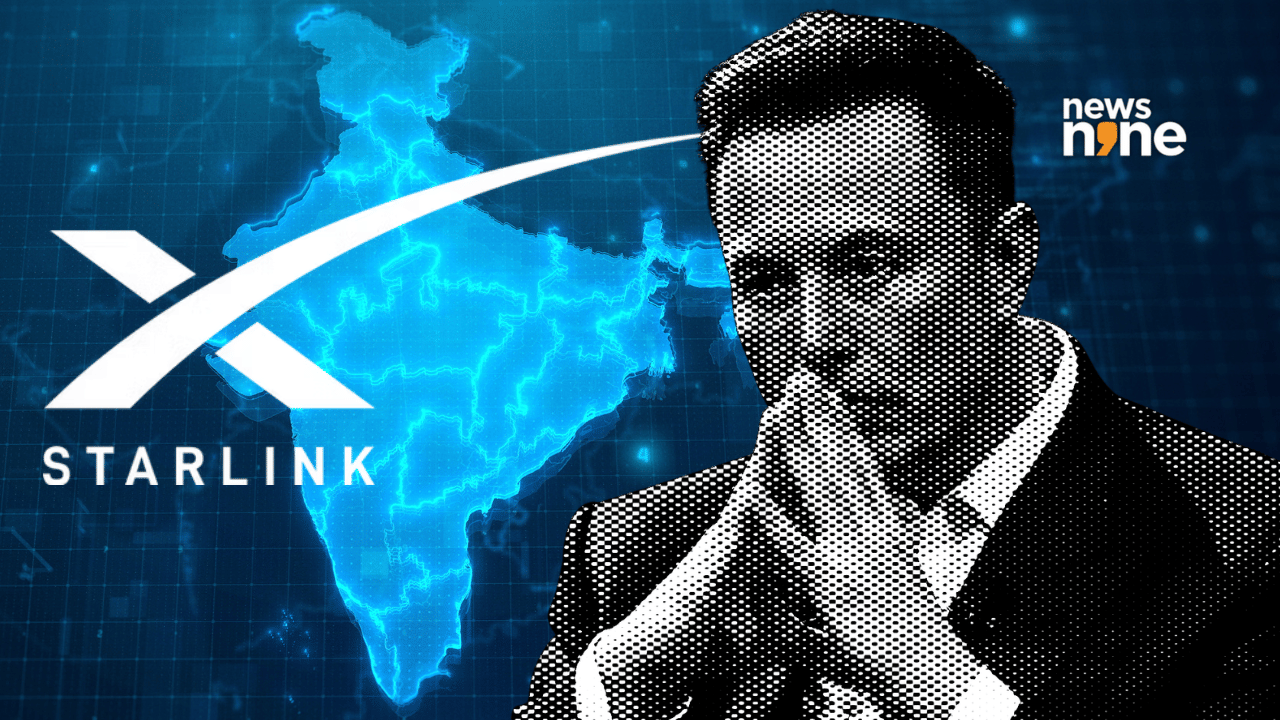
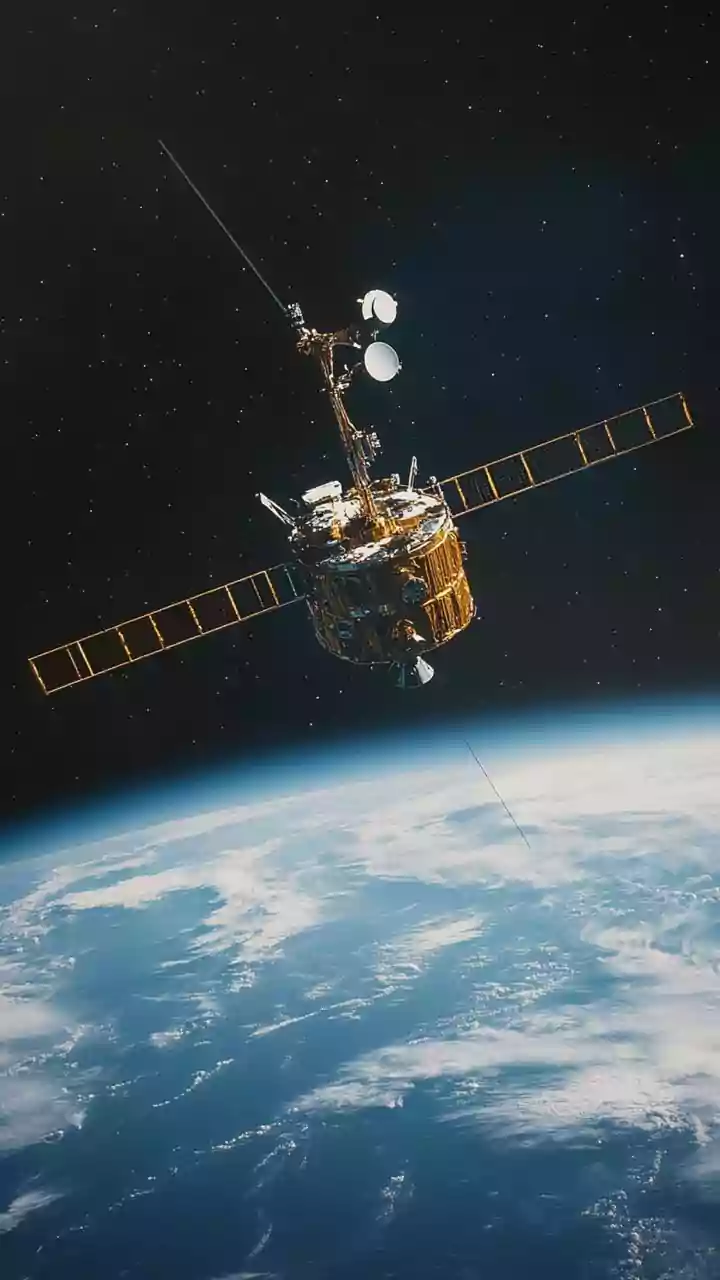
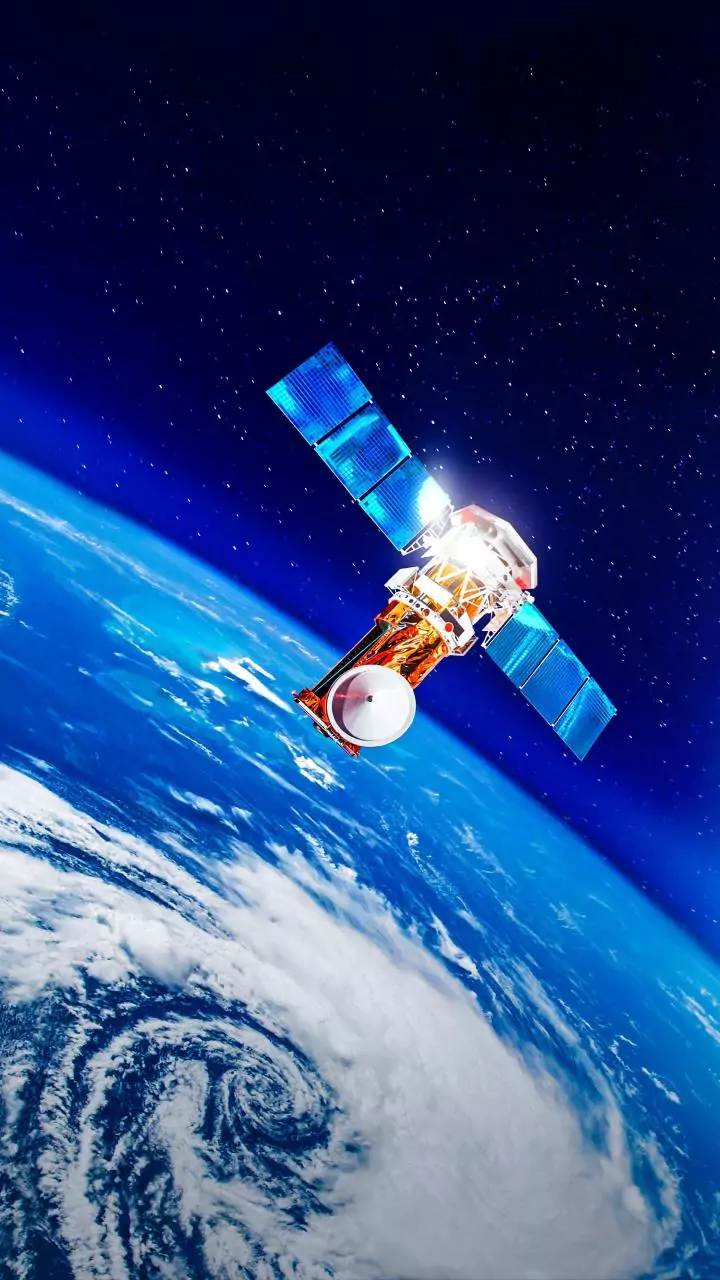
Starlink is a satellite internet service operated by SpaceX, Elon Musk's aerospace company. Unlike traditional satellite internet that uses large, distant satellites, Starlink uses a massive constellation of thousands of smaller satellites in Low Earth
Orbit (LEO), about 550 kilometres up. This closer proximity significantly reduces latency—the delay in data transmission—making it comparable to ground-based broadband and suitable for video calls, online gaming, and streaming. The service is designed to provide internet access to rural and underserved areas where traditional fibre optic or mobile networks are difficult and expensive to build. Users on the ground connect to the network using a small satellite dish, often called a terminal.
The 30,000-Satellite Question
The number 30,000 refers to Starlink’s proposed second-generation (Gen2) network. The company has recently reapplied to India's space regulator, IN-SPACe, for approval of this massive expansion, which would dramatically increase its global capacity. This larger network is designed to support more users and handle more data, and also enable new 'direct-to-device' (D2D) services that could connect directly to smartphones without a dish. However, this unprecedented scale has raised global concerns. NASA has pointed to a significant increase in the risk of orbital collisions and space debris. Astronomers also worry that the sheer number of satellites could interfere with scientific observations from both ground-based and space telescopes.
India's Regulatory Hurdles
Starlink's path into India is complex, with several key regulatory hurdles to clear. The most significant is national security. Indian authorities, under the Ministry of Home Affairs, have expressed concerns about controlling a foreign-owned network during geopolitical tensions. These anxieties were reportedly heightened by the use of Starlink terminals in conflict zones where the service was not officially licensed. Regulators require that all Indian user traffic be routed through local gateways, ensuring the government can lawfully intercept and monitor data if needed. Beyond security, spectrum allocation remains a key issue. While the Telecom Regulatory Authority of India (TRAI) has made recommendations for administratively assigning spectrum, the government is yet to finalize the framework.
The Promise for Digital India
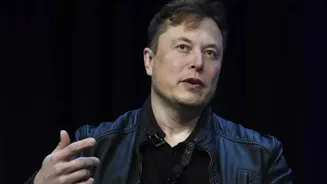
Despite the challenges, the potential benefits for India are immense. In a country where rural internet density is significantly lower than in urban areas, Starlink could be a game-changer. As Elon Musk himself stated in August 2026, the service aims to help the "least served in India, especially in rural areas." High-speed satellite internet could bridge the digital divide, bringing reliable connectivity to remote villages for education, telemedicine, e-commerce, and disaster management. It could also provide critical backhaul for mobile towers, improving 4G and 5G services in areas beyond the reach of fibre. The government is aiming to make satellite services affordable and competitive to boost investment and innovation in the sector.
A Sky Crowded with Competition
Starlink is not entering an empty market. A fierce race is on to provide satellite internet in India. Its primary competitors include Eutelsat OneWeb, backed by India's own Bharti Group, and Jio Satellite Communications, a joint venture between Reliance Jio and Luxembourg-based SES. Both OneWeb and Jio's venture have also received licenses and are navigating the same regulatory landscape. While Starlink has primarily focused on a direct-to-consumer model, competitors like OneWeb are targeting enterprise and government clients. Amazon's Project Kuiper is another major global player, though it appears to be slightly behind in the Indian regulatory process. This competition is expected to drive innovation and, crucially, competitive pricing for Indian consumers and businesses.