



Forget the Schedule, Check the Soil
The single most important rule for watering a potted lemon plant is to abandon a strict schedule. Factors like heat, humidity, pot size, and the age of your plant change daily, making a rigid “water every two days” rule ineffective and potentially harmful.
The best and most reliable method is to check the soil. Push your finger about two inches into the topsoil. If it feels dry at that depth, it's time to water. If it still feels moist, wait another day or two and check again. This simple test prevents both overwatering and underwatering, the two most common issues for container plants.
The Right Way to Water
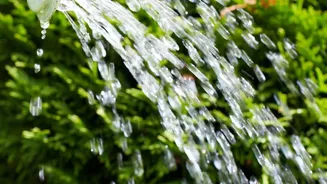
When it is time to water, do so thoroughly. The goal is to drench the root ball completely. Pour water slowly and evenly over the soil surface until you see it running out of the drainage holes at the bottom of the pot. This ensures that the entire root system gets access to moisture, not just the top layer. After about 30 minutes, be sure to empty any excess water from the saucer beneath the pot. Letting the pot sit in a puddle of water is a common cause of root rot, a condition from which it is difficult for the plant to recover.
Key Factors That Affect Thirst
Several variables determine how quickly your plant's soil will dry out. Taller, more mature plants naturally use more water than small, young saplings. The type of pot also matters; terracotta pots are porous and allow soil to dry faster than plastic pots. A plant in a large pot will need less frequent watering than one in a small pot that is becoming root-bound. Most importantly, a lemon tree placed in a sunny, windy location will need water far more often than one in a cooler, more sheltered spot. A well-draining soil mix, typically combining potting soil with perlite, sand, or cocopeat, is crucial to prevent waterlogging.
Seasonal Adjustments for Indian Climates
Your watering routine must adapt to the seasons. During the intense heat of Indian summers, especially in May and June, you may need to water your potted lemon every day or every other day, particularly if it gets several hours of direct sun. In contrast, during the monsoon season, the rain may do most of the work for you. However, high humidity can slow soil drying, so it is crucial to continue checking the soil and protect the plant from excessive downpours to prevent root rot. In the cooler, milder winter months, the plant's growth slows down, and its water needs decrease significantly. During this period, you might only need to water once every one to two weeks.
Is It Overwatering or Underwatering?
Telling the difference between too much and too little water can be confusing, as both can cause yellowing leaves and leaf drop. Typically, underwatering causes leaves to droop, curl, and then turn yellow before falling off. On the other hand, overwatering often leads to yellowing leaves that don't necessarily droop, and you might see the tips of the stems turning black. The most definitive clue is the soil itself. If the leaves are yellow but the soil is consistently soggy, overwatering is the culprit. If the leaves are droopy and the soil is bone dry, the plant is thirsty.