







A 'Gigafactory of Compute'
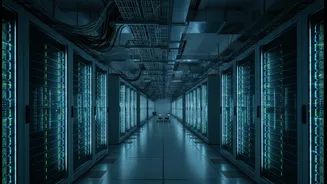
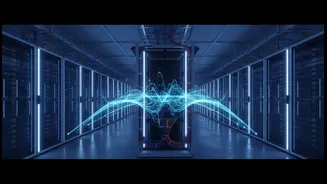
At the heart of this ambition is a massive supercomputer project in Memphis, Tennessee, which Musk has dubbed the 'Gigafactory of Compute'. Named 'Colossus', this facility is a sprawling data centre packed with over 100,000 of Nvidia's highly sought-after
H100 graphics processing units (GPUs), with plans for significant expansion. In the age of artificial intelligence, raw computing power is the most critical resource, and Colossus is being built to provide it on an unprecedented scale. This immense infrastructure is designed to train and run the most advanced AI models, making it a foundational asset for any player in the global technology race. The project signals a strategic pivot for Musk: from building products that use AI, to controlling the very infrastructure that makes AI possible.
An Alliance with the Pentagon
The latest development is a negotiation between SpaceX and the U.S. Department of Defense for a deal potentially worth billions. The agreement would see SpaceX provide dedicated data centre capacity for the Pentagon to run its own large-scale AI models for intelligence and military applications. This move would place Musk at the centre of U.S. national security infrastructure, adding AI services to his existing government contracts for rocket launches and satellite communications. This venture is already a proven business. SpaceX has reportedly signed colossal deals to lease its computing power, including a $30 billion agreement with Google and a $45 billion one with AI company Anthropic. These contracts establish SpaceX not as a hopeful entrant, but as a major new force in the AI cloud market, ready to compete with giants like Amazon and Microsoft.
The Engine for an Empire
While the external contracts are lucrative, the true strategic value of this AI infrastructure lies in its potential to supercharge Musk’s existing portfolio of companies. This 'Gigafactory of Compute' is poised to become the central brain for his entire ecosystem. For Tesla, it offers the immense processing power needed to advance its Full Self-Driving technology. For the social media platform X, it powers the Grok chatbot, which is integrated into the service. For SpaceX itself, it can handle the complex calculations required for rocket science and satellite operations. By building this capability in-house, Musk is creating a vertically integrated, self-reliant tech conglomerate where advancements in one company can be seamlessly shared and implemented across others, all running on a proprietary computational backbone.
The High Cost of Power
This ambitious build-out has not been without significant controversy. The enormous energy demands of the Colossus data centre led Musk's AI firm, xAI, to reportedly acquire mobile power generation company APR Energy for over $1 billion. This move has resulted in the deployment of dozens of natural gas-powered turbines in Memphis to keep the supercomputer running. This has sparked legal challenges and outcry from community and environmental groups, including the NAACP, which filed a lawsuit alleging the turbines are operating without proper permits and causing air and noise pollution in predominantly Black neighbourhoods. Residents have complained of constant noise and health concerns, highlighting the steep environmental and social costs associated with the rapid, and allegedly unregulated, expansion of AI infrastructure.