




The Lure of the High-Altitude Desert
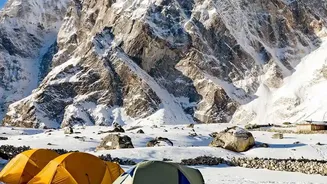
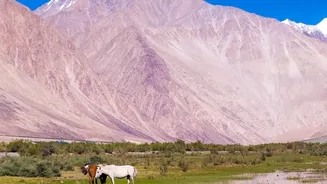
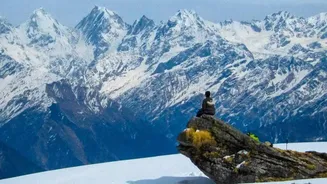
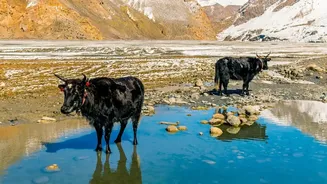
Ladakh's stark, breathtaking landscape is more than just a backdrop for stunning photographs; it is a globally significant biodiversity hotspot. Home to over 38 mammal species and 340 types of birds, its main attraction for a growing number of wildlife
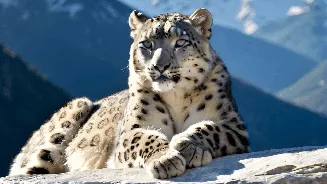
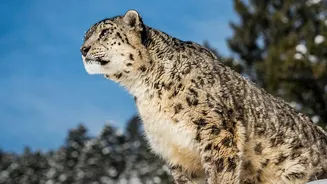
enthusiasts is the snow leopard. With an estimated 477 of India's 718 snow leopards residing here, Ladakh offers the world's best chance to spot this magnificent, near-mythical creature. This has fuelled a boom in winter tourism, as wildlife lovers brave extreme cold for a glimpse. This influx provides a vital economic lifeline, but it comes at a cost. The high-altitude desert ecosystem is incredibly delicate, and the surge in human activity is straining its limited resources.
A Double-Edged Sword
For years, the rise in tourism has presented a dilemma. On one hand, it has created jobs and brought prosperity. On the other, it has led to significant environmental challenges. Issues like water scarcity, improper waste disposal, and increased pollution are becoming acute. Unregulated tourism, especially the practice of off-roading in sensitive habitats, has been a major concern, disturbing wildlife and damaging the landscape. This has created a classic conflict between economic development and ecological preservation, forcing local authorities and communities to seek a sustainable middle path before the very things that draw people to Ladakh are irrevocably harmed.
A New Blueprint: Regulated Safaris
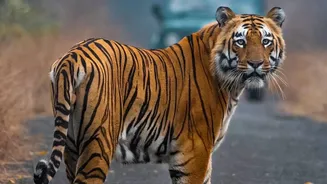
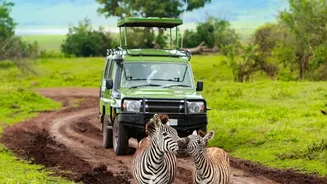
In a significant move to address these issues, the Ladakh administration has approved a groundbreaking plan for India’s first high-altitude wildlife safari. This initiative aims to structure and regulate wildlife viewing by introducing guided jeep safaris on designated trails in areas like Hemis National Park and the Changthang Wildlife Sanctuary. Modelled on the successful safaris in national parks like Ranthambore and Kaziranga, the plan is to use specially designed vehicles driven by trained local guides. The primary goal is to curb illegal and disruptive off-roading, providing a more controlled and eco-friendly way for tourists to experience the region's fauna while minimising their impact.
Putting Communities in the Driver's Seat
The new safari model is part of a larger strategy centred on community-led conservation. The administration has formed a new body, the Snow Leopard and High-Altitude Nature (SHAN) Conservation Society, to oversee these efforts. A core principle of this new approach is to make local communities direct partners and beneficiaries of conservation. The vision is to create a system where local people have a stake in protecting the wildlife because they benefit economically from it. This includes training local youth as naturalist guides and birdwatchers, establishing birdwatching hides, and ensuring that the economic rewards of tourism flow back into the villages that are the custodians of these natural assets.
The Power of the Homestay
Beyond the formal safaris, the push for sustainable tourism is deeply rooted in the local homestay model. For years, Ladakhi families have opened their homes to travellers, offering an authentic cultural experience that larger hotels cannot replicate. This approach is now being formally supported and strengthened. The administration has launched a 'Holistic Homestay Support Framework' which includes a 21-day training curriculum for hosts. The goal is to elevate homestays from simple accommodations to structured rural enterprises, empowering locals, especially women, and ensuring that tourism remains small-scale, personal, and deeply connected to Ladakhi culture and values.