





What is Analogue Paneer?
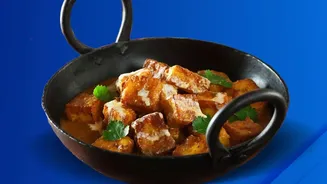
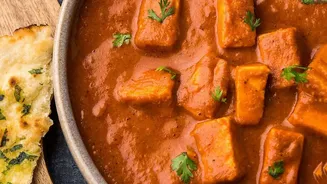
Before diving into the regulation, it’s important to understand what is being discussed. Genuine paneer is a fresh cheese made by curdling milk with an acid like lemon juice or vinegar. It is a pure milk product. Analogue paneer, on the other hand, is a substitute
designed to mimic the look and texture of real paneer but is made using different ingredients. In these products, milk fat and milk protein are partially or wholly replaced with non-milk components like vegetable oils (often palm oil), starch, skimmed milk powder, and various emulsifiers and stabilizers. The primary motivation for its production is cost; it is significantly cheaper to make than traditional paneer, making it a common sight in some markets and food service establishments.
Deconstructing the FSSAI Draft
On September 24, 2026, the Food Safety and Standards Authority of India (FSSAI) released a draft amendment to the Food Safety and Standards (Prohibition and Restrictions on Sales) Regulations, 2011. The proposal does not ban the production or sale of analogue paneer. Instead, it aims to restrict how it is named and marketed. The key provision states that products made from constituents not derived from milk cannot use the term "paneer" in their name, labelling, or advertising. This means that any product currently registered under the ‘Analogue in Dairy Context’ category would have to be rebranded. The core objective, as stated by the FSSAI, is to prevent consumers from being misled about the product's true nature and composition.
Why Is This Happening Now?
This national draft follows a series of actions at the state level and growing public concern. Several states, including Maharashtra, Karnataka, and Gujarat, had already implemented their own bans or restrictions on the sale of analogue paneer being passed off as the real thing, citing public health and consumer interest. There are significant nutritional differences between the two products. Real paneer is a rich source of protein and healthy milk fats, while analogue versions are often lower in protein and higher in unhealthy trans fats from hydrogenated vegetable oils. This crackdown is part of a broader push by the FSSAI against food adulteration and misleading claims, ensuring that when a consumer buys paneer, they are getting an actual milk product as defined by food standards.
So, Is It a Ban?
No, this is not a ban on either traditional paneer or the production of analogue versions. To be clear, authentic paneer remains completely unaffected. What the FSSAI has proposed is a labelling and marketing regulation. The production of analogue paneer can continue, but it must be sold under a name that does not mislead consumers into thinking it is dairy paneer. Furthermore, the regulation is currently a draft. The FSSAI has opened a 60-day window for stakeholders and the public to submit objections and suggestions. This feedback will be considered before any final regulation is published and implemented. This process is standard for regulatory changes and ensures that all perspectives are heard before a final rule is enacted.
What Happens Next for Consumers?
For now, nothing changes immediately. The proposal is under review. If it becomes a final regulation, consumers can expect to see clearer labelling in the future. Products that are not made from 100% milk will no longer be able to call themselves 'paneer'. This will help shoppers make more informed choices at the grocery store. It will also impact restaurants and food-service businesses, which would be required to clearly state if they are using a dairy analogue instead of real paneer in their dishes. In the meantime, consumers can become more vigilant. Real paneer tends to be soft and crumbly with a fresh, milky taste, while analogue versions can feel rubbery, greasy, and may have a bland or synthetic aftertaste. Reading the ingredients list on packaged products is the most reliable way to know for sure.