




The Foundation: Classic Kanda Batata Poha
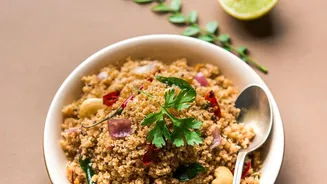
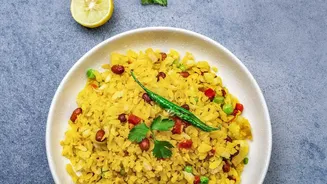
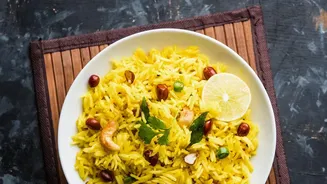
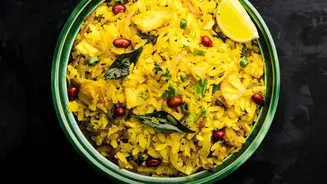
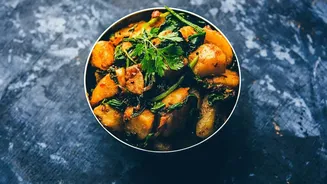
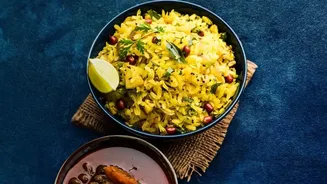
This is the quintessential Maharashtrian breakfast that many across India know and love. The beauty of Kanda Batata Poha lies in its simplicity and comforting flavours. The process starts by rinsing thick poha and letting it soften. In a pan, mustard
seeds are crackled in hot oil, followed by curry leaves, green chillies, and finely chopped onions ('kanda'). Once the onions turn translucent, cubed potatoes ('batata') are added and cooked until tender. Turmeric lends its signature yellow hue and earthy flavour before the softened poha is gently folded in. A sprinkle of sugar to balance the flavours and a final squeeze of lemon juice make this dish a perfectly balanced start to the day. It's often garnished with fresh coriander and sometimes roasted peanuts for a bit of crunch.
The Street Food Star: Indori Poha
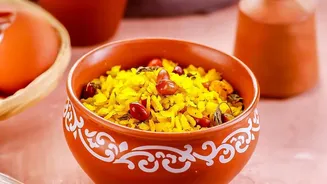
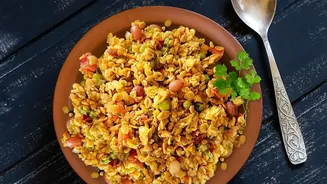
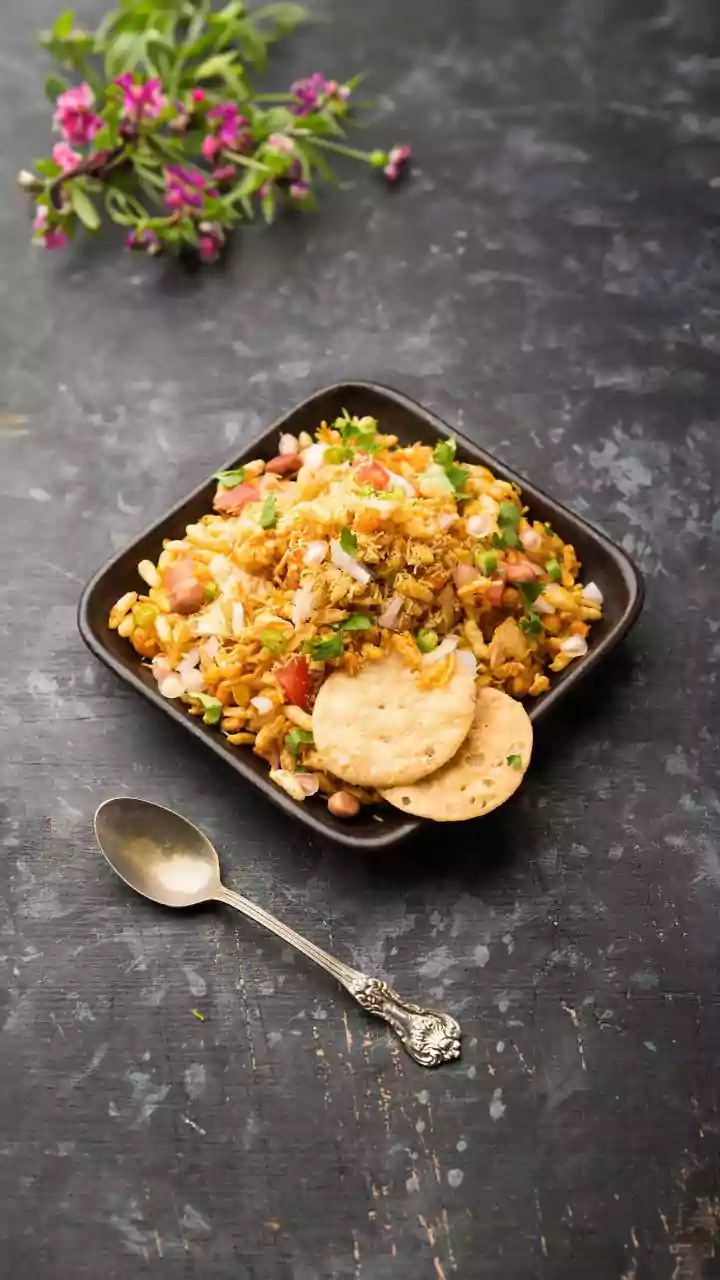
Travel to Madhya Pradesh, and you'll find a version of poha that is a celebration of textures and tangy, sweet, and spicy notes. Indori Poha starts similarly to the classic version but takes a delightful turn with its unique spice blend and toppings. The defining characteristic is the use of Jeeravan masala, a special spice mix that includes fennel, cumin, coriander, and other spices, which is sprinkled on top just before serving. This poha is typically steamed until soft and fluffy. What truly sets it apart is the garnish; it’s generously topped with crispy sev (fried gram flour noodles), raw chopped onions, pomegranate seeds, and fresh coriander. This combination creates a flavour explosion in every bite, making it an iconic street food.
The Fiery Kick: Nagpuri Tarri Poha
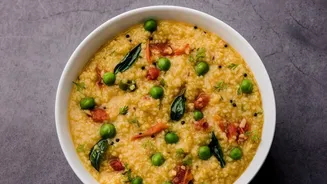
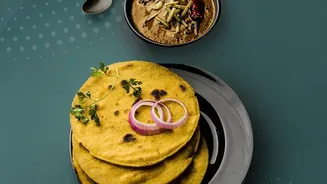
From the city of Nagpur comes a poha variation for those who love their breakfast fiery and full of flavour. Tarri Poha consists of a simple plate of poha served with a separate, spicy gravy called 'tarri'. The poha itself is usually a straightforward kanda poha. The star of the show is the tarri, a thin, spicy curry typically made from black chickpeas (kala chana). The gravy is simmered with a host of spices, including ginger, garlic, tomatoes, and often a special 'kala masala' which gives it a dark colour and intense heat. To serve, the hot tarri is ladled over the poha, and it's then garnished with chopped raw onions, sev, and a squeeze of lemon. This dish offers a unique combination of soft poha and a soupy, spicy kick.
The No-Cook Wonder: Dadpe Poha
Hailing from the Konkan coast of Maharashtra, Dadpe Poha is a refreshing, no-cook variation that is perfect for a light snack or quick breakfast. The name 'Dadpe' means 'to press' in Marathi, referring to the method of preparation. Thin poha is mixed with finely chopped onions, fresh grated coconut, lemon juice, salt, and a little sugar. This mixture is then pressed and set aside, allowing the moisture from the onions and coconut to soften the flattened rice flakes naturally. A hot tempering of oil, mustard seeds, curry leaves, green chillies, and sometimes peanuts is then poured over the mixture and combined well. The result is a light, tangy, and crunchy dish that requires no steaming or sautéing of the poha itself.
The Southern Twist: Huli Avalakki
Also known as Gojju Avalakki or Puli Aval in different parts of South India, this variation brings a distinct tangy and spicy flavour profile. 'Huli' means sour in Kannada, and the primary flavouring agent here is tamarind. The poha is typically soaked in a flavourful mixture of tamarind extract, jaggery, and a special spice powder like sambar powder or rasam powder. This mixture is then combined with the poha, which absorbs the tangy, sweet, and spicy liquid. A final tempering of mustard seeds, lentils (urad dal and chana dal), peanuts, and curry leaves is added for crunch and aroma. Often finished with grated coconut, Huli Avalakki is a complex and deeply flavourful dish that showcases a completely different way to enjoy flattened rice.