




Why Are These Labels Necessary?
For years, shoppers have had to become detectives, flipping over packages to decipher complex nutritional tables in tiny print. This is changing because India, like many nations, is facing a growing health crisis linked to non-communicable diseases (NCDs)
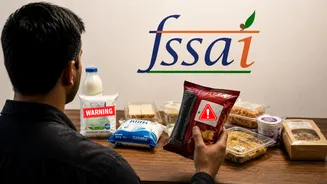
like obesity, diabetes, and heart conditions. A significant factor is the increased consumption of processed foods, which are often high in fat, sugar, and salt (HFSS). Prompted by the Supreme Court, which has emphasized that public health is paramount, the FSSAI's new labels are designed to provide a simple, clear warning at a glance, helping consumers make healthier choices, especially for children and other vulnerable groups.
What Will the New Labels Say and Look Like?
Forget confusing star ratings or percentages. FSSAI has proposed a direct and clear warning system. The new labels will be a bold, red hexagon—similar to a stop sign—prominently displayed on the front of the package. Inside this hexagon, you will see explicit text such as "HIGH SUGAR," "HIGH FAT," or "HIGH SALT." Some beverages may carry a "HIGHLY SWEETENED BEVERAGE" warning. To ensure visibility, the font size for these warnings will be one point larger than the text in the current nutrition information table on the back of the pack.
How Will the Labels Be Rolled Out?
The implementation will happen in two phases to give both consumers and the food industry time to adapt. In the first phase, the red hexagonal warning will be mandatory for products that are high in two or more of the specified nutrients—for example, a snack that is high in both salt and fat. In the second phase, the rule will become stricter, requiring a warning label for products high in even a single one of these nutrients. This phased approach also encourages food companies to reformulate their products to become healthier and avoid the warning label altogether.
Are There Any Exemptions?
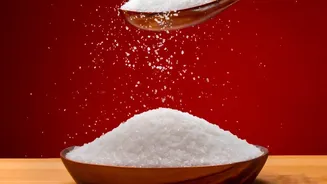
Yes, the FSSAI has outlined some common-sense exemptions. The rules will not apply to single-ingredient food products that are inherently rich in fat, sugar, or salt. This means you won't see a "High Fat" warning on your container of ghee or edible oil, nor a "High Sugar" label on packs of sugar, jaggery, or honey. These items will, however, still need to comply with other existing food safety and labelling regulations. The focus is squarely on processed foods where these ingredients are added.
The Long Road to Clearer Labels
This decision follows years of debate. FSSAI had previously considered other formats, such as a health star rating system, which was opposed by many health experts who argued that even unhealthy foods could get a half-star rating, confusing consumers. The push for simple, direct warning labels gained momentum after strong observations from the Supreme Court, which criticised delays and questioned whether industry pressure was slowing down a crucial public health measure. Health advocates have largely supported the move towards warning labels over more interpretive systems, citing international examples where such labels have successfully encouraged healthier consumer choices and product reformulation by manufacturers.