






The Foundation of a Gut-Friendly Bowl
A breakfast bowl that promotes digestive comfort isn't just about throwing ingredients together; it's about a strategic combination of key components. The most effective bowls are built on a foundation of fibre, probiotics, and prebiotics. Fibre aids
in regular bowel movements, probiotics introduce beneficial bacteria to your gut, and prebiotics provide the food those healthy bacteria need to flourish. Together, these elements work to reduce inflammation, strengthen the gut lining, and ensure your digestive system runs smoothly.
Fibre: Your Digestive System’s Best Friend
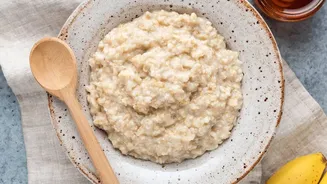
Dietary fibre is crucial for a healthy gut. There are two types, and both are important. Soluble fibre, found in oats, chia seeds, flaxseeds, and berries, dissolves in water to form a gel-like substance that helps soften stool. Insoluble fibre, found in nuts and the skins of many fruits, adds bulk and helps material move through your digestive system. Oats are a particularly powerful base, as they contain a soluble fibre called beta-glucan, which feeds beneficial gut bacteria. Chia seeds are another fibre powerhouse, absorbing water to expand in your stomach, which promotes fullness and regularity.
Power Up with Probiotics
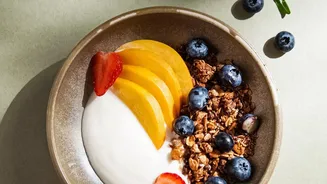
Probiotics are live, beneficial bacteria that are essential for a healthy gut microbiome. Including them in your breakfast is a direct way to support digestive balance. Plain Greek yoghurt and kefir are excellent sources. When choosing a yoghurt, look for labels that state 'live and active cultures' to ensure you're getting the probiotic benefits. These ingredients help populate your gut with good bacteria, which can improve digestion, support immune function, and reduce bloating. Layering yoghurt or using kefir as a base for a smoothie bowl is an easy and delicious way to get your morning dose.
Incorporate Prebiotics and Healthy Fats
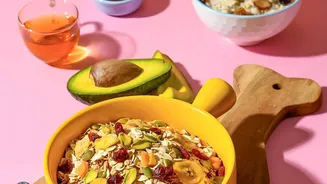
Prebiotics are types of fibre that your body can't digest but your gut bacteria can feast on. Good prebiotic sources for a breakfast bowl include slightly underripe bananas, apples, and flaxseeds. These foods help nourish the beneficial bacteria you get from probiotics. Healthy fats also play a role in slowing digestion, promoting satiety, and supporting overall health. Avocado, nuts like almonds and walnuts, and seeds like flax and pumpkin seeds are excellent sources of both healthy fats and additional fibre.
Building Your Perfect Bowl: Some Ideas
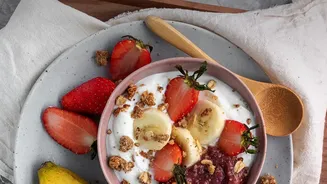
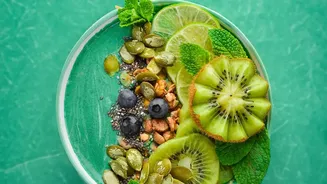
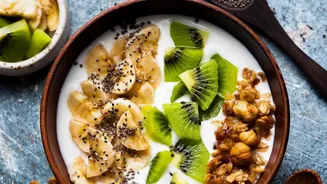
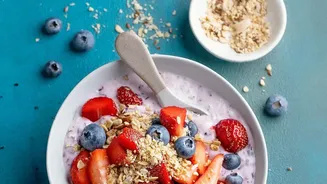
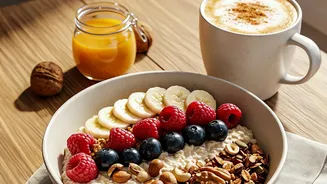
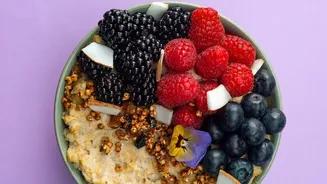
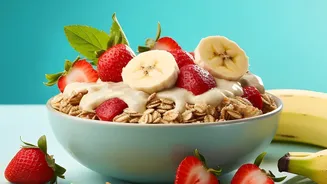
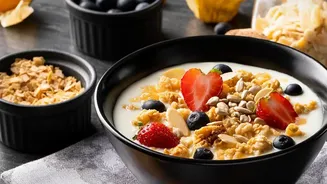
Now it's time to put it all together. The beauty of breakfast bowls is their versatility. Here are a few combinations to get you started: - The Classic Oat Bowl: Start with a base of rolled oats (cooked or soaked overnight). Top with a handful of mixed berries for fibre and antioxidants, a tablespoon of chia seeds for soluble fibre and omega-3s, and a sprinkle of chopped walnuts for crunch and healthy fats. - The Probiotic Yoghurt Bowl: Use a cup of plain Greek yoghurt as your base. Add sliced banana for prebiotics, a tablespoon of ground flaxseed, and a drizzle of raw honey for natural sweetness. Top with your favourite nuts. - The Tropical Kefir Smoothie Bowl: Blend kefir with frozen mango chunks and a handful of spinach. Pour into a bowl and top with kiwi slices, which are known to aid digestive comfort, and a sprinkle of granola for texture.
Tips for Maximum Digestive Comfort
Beyond the ingredients, a few simple habits can enhance the digestive benefits of your breakfast. If you are new to a high-fibre diet, increase your intake gradually to allow your system to adjust. Always drink plenty of water throughout the morning, as fibre needs fluid to work effectively. Finally, take your time and chew your food thoroughly. This simple act starts the digestive process and makes it easier for your body to break down food and absorb nutrients, ensuring your day gets off to the most comfortable start possible.