





A New Model for Wildlife Tourism
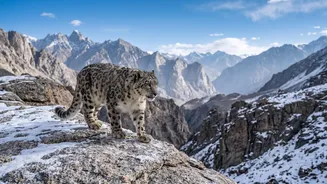
In early October 2026, the administration of Ladakh launched India's first high-altitude wildlife safari dedicated to the snow leopard. The initiative, led by the Snow Leopard and High-Altitude Nature Conservation (SHAN) Society in collaboration with
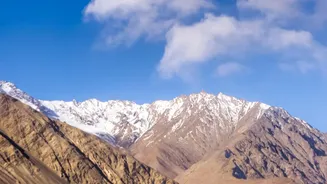
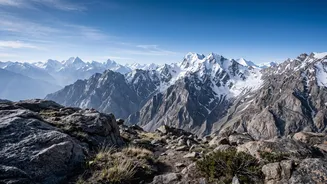
the forest department, involves specially designed vehicles and trained local guides operating on approved routes. Initial safari locations include areas like Rumbak, Shang, and Uley, which are known hotspots for snow leopard sightings within the magnificent landscapes of Hemis National Park and the broader region. However, officials have been clear that the objective is not simply to boost tourist numbers. Instead, the goal is to create a regulated, responsible, and sustainable tourism model that actively contributes to protecting the fragile Himalayan ecosystem.
Turning Conflict into Conservation
The greatest threat to the snow leopard has long been human-wildlife conflict. For generations, pastoral communities in Ladakh have lost valuable livestock—sheep, goats, and yaks—to predation by snow leopards. These losses can be devastating for families whose livelihoods depend on their herds, leading to retaliatory killings of the endangered cats. The new safari initiative tackles this problem head-on by transforming the economic equation. By creating jobs for locals as guides, drivers, and homestay operators, the program gives communities a direct financial stake in the snow leopard's survival. The philosophy is simple but powerful: when a living snow leopard generates more income through tourism than a dead one costs in livestock, the community becomes its most dedicated protector.
Community at the Core
This initiative is built on a foundation of community-based conservation, a model pioneered in the region by organisations like the Snow Leopard Conservancy India Trust. The core idea is to empower local people as stewards of their environment. The safari program aims to ensure that economic benefits flow directly to the communities that share the snow leopard's habitat. This is achieved through various means, including training local youth as nature and birding guides, promoting village homestays that offer tourists an authentic cultural experience, and supporting enterprises like the Wild Animal Felting Programme, where women use local wool to create handicrafts. This approach doesn't just provide livelihoods; it instils a sense of custodianship and ensures that conservation is a collaborative effort, not a top-down mandate.
Regulating the Rush
While tourism brings opportunity, unregulated activity poses a significant threat. Unchecked off-roading, excessive noise, and large crowds can disturb wildlife, damage the delicate landscape, and ultimately undermine conservation efforts. A key goal of the new guided safari is to prevent this. The program will use a limited number of vehicles on designated routes within protected areas like Hemis National Park and the Changthang and Karakoram wildlife sanctuaries. By managing visitor numbers and ensuring all tours are led by trained personnel, the administration aims to minimise disturbance to the animals while enhancing the visitor experience. As Ladakh’s Lt. Governor Vinai Kumar Saxena stated, the vision is a model where wildlife protection and local development can thrive together, not at the expense of one another.
A Blueprint for the Future
Ladakh is home to an estimated 477 snow leopards, representing a majority of India's total population of around 718. This makes the region critically important for the long-term survival of the species. The new safari initiative is part of the broader national 'Project Snow Leopard', launched in 2009 to protect the country's high-altitude ecosystems. By successfully linking conservation with community livelihoods, this regulated tourism model offers a sustainable blueprint that could be replicated in other sensitive mountain regions. It represents a paradigm shift from viewing wildlife as a liability to be managed to seeing it as a valuable asset to be protected for the benefit of both nature and people.