




What Exactly Is Hojicha?
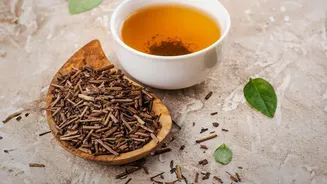
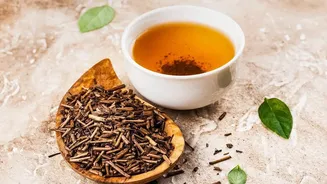
Hojicha, which translates to “roasted tea,” is a type of Japanese green tea that originated in Kyoto in the 1920s. Unlike its more famous cousin, matcha, which is prized for its vibrant green hue, hojicha undergoes a high-temperature roasting process.
Tea leaves and stems, typically from later-harvest Bancha or Sencha varieties, are roasted over charcoal or in porcelain pots. This crucial step transforms the leaves, turning them a beautiful reddish-brown and completely altering their chemical composition and flavour profile. The result is a tea that is visually distinct and offers a completely different sensory experience from other green teas.
Hojicha vs. Matcha: A Tale of Two Teas
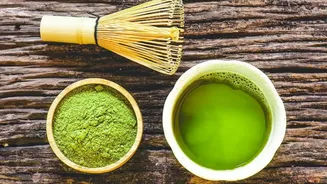
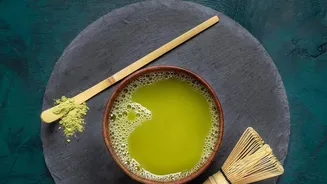
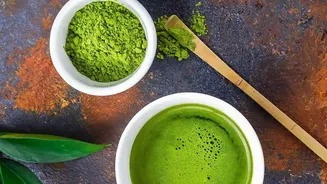
While both come from the same plant, Camellia sinensis, the differences between hojicha and matcha are significant. Matcha is known for its bright, grassy, and umami-rich flavour, a direct result of being shade-grown and stone-ground. Hojicha, on the other hand, boasts a warm, nutty, and toasty flavour with notes of caramel and a naturally sweet finish. The roasting process smooths out the bitterness often associated with green tea.The most significant difference for many consumers is the caffeine content. The high-temperature roasting causes some caffeine to break down, making hojicha naturally low in caffeine. A cup of hojicha contains only a fraction of the caffeine found in matcha or coffee, making it a popular choice for an afternoon or evening beverage without the risk of disrupting sleep. This low-caffeine, high-comfort profile is a major reason for its growing appeal.
The Rise of the Hojicha Latte in India
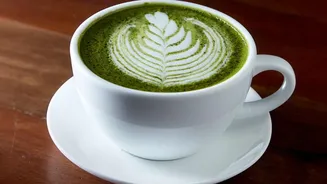
The Hojicha Latte is spearheading this new wave of tea appreciation. Recent search data shows that queries for “Hojicha Latte” and “what is Hojicha” have hit all-time highs in India, with cities like Delhi showing particular curiosity. The drink's appeal lies in its comforting, coffee-like character. The nutty, roasted notes resonate well with Indian palates accustomed to toasted spices and malted drinks. It offers the warmth and depth of a coffee latte but with significantly less caffeine and a smoother taste.Cafés across major Indian cities like Mumbai, Delhi, Bengaluru, and Chennai are adding hojicha to their menus, often in creative forms. From classic lattes to bubble teas and even dirty hojicha (with a shot of espresso), baristas are exploring the tea's versatility. For many, it's the perfect bridge between the ritual of a milky beverage and the desire for a gentler, more relaxing experience.
Wellness in a Warm Cup
Beyond its comforting taste, hojicha comes with several wellness benefits. Despite being roasted, it retains a significant amount of antioxidants like catechins, which help fight free radicals. It also contains L-theanine, an amino acid known for promoting relaxation and mental clarity without causing drowsiness. This combination of low caffeine and high L-theanine delivers a state of calm focus, making it an ideal drink to de-stress. Some studies also suggest it can aid digestion, support the immune system, and benefit skin health, fitting perfectly into the modern wellness-conscious lifestyle.
How to Make Your Own Hojicha Latte
Creating this café favourite at home is surprisingly simple. You'll need hojicha powder, hot water, milk of your choice, and an optional sweetener like maple syrup or honey. Start by whisking about one teaspoon of hojicha powder with 60 ml of hot (not boiling) water until there are no clumps. You can use a bamboo whisk or a small milk frother for a smooth consistency. Stir in your sweetener if desired. In a separate cup, steam and froth about 180 ml of milk. Finally, pour the hot, frothed milk over your hojicha mixture. For an iced version, simply pour the whisked hojicha and sweetener over a glass of ice and cold milk, then stir.